

painho-de-swinhoe vs himalayan buzzard
Hydrobates monorhis versus Buteo refectus
Jogue um quiz com painho-de-swinhoe e himalayan buzzard
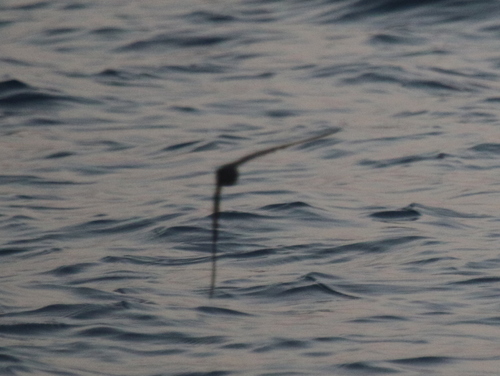 painho-de-swinhoe
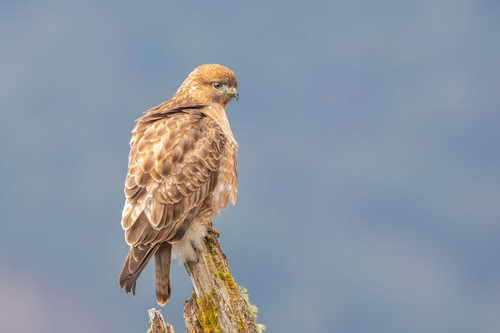 himalayan buzzard
Em resumo
A maneira mais confiável de separar o painho-de-swinhoe do himalayan buzzard é pela estrutura geral e estilo de voo: o painho é uma ave marinha pequena, totalmente escura, com um voo tremulante, asas longas e cauda bifurcada, enquanto o himalayan buzzard é um grande rapinante de asas largas, com um bico pesado e curvado, que normalmente planam ou deslizam. O painho é uniformemente marrom escuro, sem painéis claros ou rabo branco, e nunca exibe o contorno semelhante ao de um buzzard. Mesmo à distância, o voo rápido e errático do painho sobre a água é diferente do voo constante, planando ou batendo de um buzzard. Se você ver uma ave batendo na superfície do oceano ou voando baixo sobre as ondas, não é um buzzard. Por outro lado, qualquer ave empoleirada ou planando com asas largas e cauda curta e leque é um buzzard, não um painho.
Dicas de identificação
- Tamanho e forma: O painho-de-swinhoe é pequeno e delicado, com asas longas e estreitas e cauda bifurcada; o himalayan buzzard é grande e robusto, com asas largas e cauda curta e arredondada. Não há sobreposição no contorno.
- Estilo de voo: O painho tem um voo tremulante e errático, frequentemente baixo sobre a água, às vezes batendo na superfície. O himalayan buzzard planam, deslizam e batem as asas com batidas profundas e lentas; nunca voa perto da água ou bate.
- Plumagem: O painho é uniformemente marrom escuro em todas as plumagens, sem marcas claras ou brancas em qualquer lugar. O himalayan buzzard sempre mostra uma mistura de marrons e áreas mais claras, especialmente nas partes inferiores e nas asas inferiores.
- Forma da cauda: O painho tem uma cauda distintamente bifurcada, visível em voo e em repouso. A cauda do himalayan buzzard é larga e arredondada, nunca bifurcada.
- Bico: O painho tem um bico pequeno e fino, típico de uma ave marinha; o himalayan buzzard tem um bico grande e curvado, típico de um rapinante. Isso é visível de perto ou em boas fotos.
- Habitat: O painho está apenas no mar, raramente perto da terra, exceto em locais de reprodução remotos ou após tempestades. O himalayan buzzard é encontrado apenas sobre a terra, especialmente montanhas e florestas.
- Comportamento empoleirado: O painho quase nunca é visto empoleirado, exceto em tocas de reprodução, e então apenas se movendo de forma desajeitada. O himalayan buzzard empoleira-se abertamente em árvores, rochas ou postes.
- Contexto: Se você ver uma ave de um barco, especialmente longe da costa, quase certamente não é um buzzard. Se você ver uma ave planando sobre a terra, não é um painho.
- Confusão juvenil: Não há idade ou morfo do himalayan buzzard que seja totalmente escuro como o painho-de-swinhoe. Buzzards juvenis podem ser mais escuros por baixo, mas sempre mostram padrões e nunca o escuro uniforme do painho.
- Padrão do rabo e das asas: O painho não tem o rabo branco de alguns outros painhos, mas ainda é totalmente escuro. Buzzards nunca mostram um rabo ou asas totalmente escuras.
- Comportamento alimentar: O painho se alimenta mergulhando e batendo na superfície da água; buzzards caçam do ar ou empoleiram-se, nunca no mar.
- Pernas e caminhada: O painho só pode se mover de forma desajeitada em terra; buzzards podem andar e ficar firmes.
- Vocalização: Não é diagnóstico para separação em campo, já que o painho é silencioso no mar e os chamados de buzzard são gritos típicos de rapinantes, mas o contexto e a aparência são muito mais úteis.
- Seguindo barcos: O painho não segue barcos, ao contrário de alguns outros painhos; buzzards nunca são vistos no mar.
- Armadilhas: A única confusão real é com outros painhos totalmente escuros (não buzzards), ou com rapinantes escuros distantes sobre a terra (não no mar). Sempre verifique o habitat, a estrutura e o estilo de voo primeiro.
Tamanho
O painho-de-swinhoe é uma pequena ave marinha, com cerca de 18–21 cm de comprimento e envergadura de 45–48 cm [wikipedia]. Em contraste, o himalayan buzzard é um rapinante de médio a grande porte, muito maior e mais robusto do que qualquer painho. O tamanho do buzzard é mais próximo do de um corvo ou de uma águia pequena, enquanto o painho é apenas ligeiramente maior do que uma andorinha. Não há sobreposição de tamanho: mesmo o maior painho é ofuscado pelo menor buzzard.
Plumagem
O painho-de-swinhoe é uniformemente marrom escuro em todas as plumagens, sem rabo branco ou marcas claras nas asas ou cauda, independentemente da idade [wikipedia]. Suas asas são longas e estreitas, e a cauda é distintamente bifurcada. As plumagens juvenis e adultas são essencialmente idênticas em campo. O himalayan buzzard, por outro lado, apresenta plumagem variável, mas sempre tem um padrão contrastante: tipicamente marrom por cima com partes inferiores mais claras, e frequentemente com uma faixa peitoral ou barriga clara, e penas de voo mais escuras. As asas inferiores do buzzard em voo mostram um padrão claro de claro e escuro, e a cauda é larga e arredondada, às vezes com listras fracas. Não há idade ou morfo do himalayan buzzard que seja uniformemente escuro como o painho-de-swinhoe. Em resumo: o painho é totalmente escuro e de asas finas; o himalayan buzzard é padronizado e de asas largas.
Comportamento
O painho-de-swinhoe é estritamente pelágico, raramente visto da terra, exceto durante tempestades, e se alimenta batendo baixo sobre a água, às vezes batendo na superfície [wikipedia]. Seu voo é rápido, errático e flutuante, com batidas rápidas e mudanças súbitas de direção. Ele nunca planam ou deslizam por longos períodos. O himalayan buzzard é um rapinante clássico, frequentemente visto planando alto em térmicas, deslizando com as asas em um 'V' raso, ou empoleirado em árvores ou rochas. Ele nunca se alimenta em voo sobre a água e nunca bate na superfície. Os estilos de voo das duas espécies são completamente diferentes e não devem ser confundidos.
Habitat
O painho-de-swinhoe é encontrado exclusivamente no mar, longe da terra, exceto em ilhas de reprodução remotas. É provável que seja visto apenas de um barco ou, raramente, levado à costa por tempestades [wikipedia]. O himalayan buzzard é um rapinante terrestre dos Himalaias e montanhas adjacentes, encontrado sobre florestas, encostas abertas e vales, nunca no mar. Se você ver uma ave sobre o oceano aberto, não é um buzzard; se você ver uma ave planando sobre a terra, não é um painho.
painho-de-swinhoe · himalayan buzzard · Minhas aves difíceis