

Motmot

ヒメクロウミツバメ 対 ヒマラヤノスリ

Hydrobates monorhis 対 Buteo refectus

ヒメクロウミツバメとヒマラヤノスリのクイズ
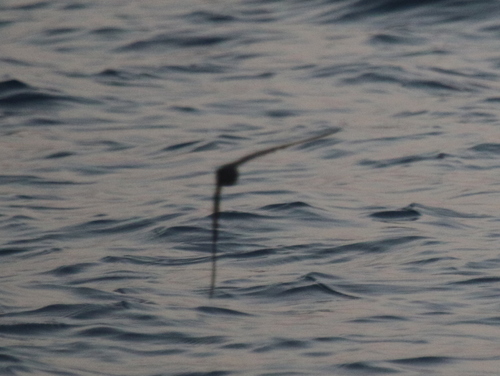
ヒメクロウミツバメ (Hydrobates monorhis) ヒメクロウミツバメ
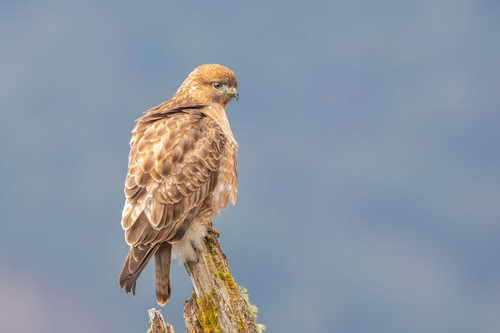
ヒマラヤノスリ (Buteo refectus) ヒマラヤノスリ

メディア

読み込み中…

要点

ヒメクロウミツバメとヒマラヤノスリを区別する最も信頼できる方法は、全体的な構造と飛行スタイルです:ヒメクロウミツバメは小さく、全体が暗色で、長い翼と分かれた尾を持つふわふわした海鳥であり、ヒマラヤノスリは大きく、広い翼を持つ猛禽類で、重くて鉤状のくちばしを持ち、通常は滑空またはグライドします。ヒメクロウミツバメは均一に暗褐色で、淡い部分や白い尾羽はなく、決してノスリのようなシルエットを示しません。遠くからでも、ヒメクロウミツバメの水上での速く不規則な飛行は、ノスリの安定した滑空や羽ばたきとは異なります。海面を叩くように飛んでいる鳥や波の上を低く飛んでいる鳥を見た場合、それはノスリではありません。逆に、広い翼と短く扇状の尾を持つどんな止まっている鳥や滑空している鳥もノスリであり、ヒメクロウミツバメではありません。

識別のコツ

  1. Size and shape: ヒメクロウミツバメは小さくて繊細で、長く狭い翼と分かれた尾を持っています;ヒマラヤノスリは大きくて重い体を持ち、広い翼と短く丸い尾を持っています。シルエットに重なりはありません。
  2. Flight style: ヒメクロウミツバメはふわふわした不規則な飛行をし、水面の近くを低く飛ぶことが多く、時には水面を叩くこともあります。ヒマラヤノスリは深くゆっくりとした羽ばたきで滑空し、決して水面の近くを飛んだり叩いたりすることはありません。
  3. Plumage: ヒメクロウミツバメはすべての羽色が均一に暗褐色で、どこにも淡いまたは白いマーキングはありません。ヒマラヤノスリは常に褐色と淡い部分の混合を示し、特に腹部や翼の下側に顕著です。
  4. Tail shape: ヒメクロウミツバメは飛行中および静止中に明確に分かれた尾を持っています。ヒマラヤノスリの尾は広くて丸く、決して分かれていません。
  5. Bill: ヒメクロウミツバメは海鳥に典型的な小さくて細いくちばしを持っています;ヒマラヤノスリは猛禽類に典型的な大きくて鉤状のくちばしを持っています。これは近距離または良い写真で確認できます。
  6. Habitat: ヒメクロウミツバメは海にのみ生息し、遠くの繁殖地や嵐の後を除いて、陸の近くにはほとんど現れません。ヒマラヤノスリは陸上にのみ見られ、特に山や森林の上空に生息しています。
  7. Perched behavior: ヒメクロウミツバメは繁殖巣穴以外ではほとんど止まっているのが見られず、その際もぎこちなく動きます。ヒマラヤノスリは木や岩、柱の上にオープンに止まります。
  8. Context: ボートから鳥を見た場合、特に海岸から遠く離れている場合、それはほぼ確実にノスリではありません。陸上で滑空している鳥を見た場合、それはヒメクロウミツバメではありません。
  9. Juvenile confusion: ヒマラヤノスリにはヒメクロウミツバメのように全体が暗色の年齢や形態はありません。若いノスリは下側が暗くなることがありますが、常に模様を示し、ヒメクロウミツバメの均一な暗色はありません。
  10. Rump and wing pattern: ヒメクロウミツバメは他のいくつかのヒメクロウミツバメの白い尾羽がないが、依然として全体が暗色です。ノスリは決して全体が暗色の尾羽や翼を示しません。
  11. Feeding behavior: ヒメクロウミツバメは水面で叩いたり、浸したりして餌を取ります;ノスリは空中から狩りをしたり、止まったりし、決して海で餌を取ることはありません。
  12. Legs and walking: ヒメクロウミツバメは陸上でぎこちなくしか動けません;ノスリはしっかりと歩いたり立ったりできます。
  13. Vocalization: 現場での区別には診断的ではなく、ヒメクロウミツバメは海で静かで、ノスリの鳴き声は典型的な猛禽類の叫びですが、文脈と外観の方がはるかに役立ちます。
  14. Ship following: ヒメクロウミツバメは他のいくつかのヒメクロウミツバメとは異なり、船を追いません;ノスリは海で見られることはありません。
  15. Pitfalls: 実際の混乱は他の全体が暗色のヒメクロウミツバメ(ノスリではない)や、陸上の遠くの暗い猛禽類(海上ではない)との混同です。常に生息地、構造、飛行スタイルを最初に確認してください。

大きさ

ヒメクロウミツバメは小さな海鳥で、長さは約18〜21 cm、翼幅は45〜48 cmです [wikipedia]。対照的に、ヒマラヤノスリは中型から大型の猛禽類で、どのヒメクロウミツバメよりもはるかに大きくて重いです。ノスリのサイズはカラスや小型の鷲に近く、ヒメクロウミツバメはツバメよりわずかに大きいだけです。サイズに重なりはありません:最大のヒメクロウミツバメでさえ、最小のノスリには及びません。

羽色

ヒメクロウミツバメはすべての羽色が均一に暗褐色で、年齢に関係なく白い尾羽や淡いマーキングはありません [wikipedia]。その翼は長く狭く、尾は明確に分かれています。若い羽色と成鳥の羽色は、実際にはフィールドでほぼ同じです。一方、ヒマラヤノスリは変動する羽色を示しますが、常に対照的なパターンを持っています:通常は上面が褐色で、腹部が淡く、しばしば淡い胸の帯や腹部、そして暗い飛行羽毛を持っています。ノスリの飛行中の翼の下側は淡い部分と暗い部分の明確なパターンを示し、尾は広くて丸く、時には淡い縞模様があります。ヒマラヤノスリにはヒメクロウミツバメのように均一に暗色の年齢や形態はありません。要約すると:ヒメクロウミツバメは全体が暗色で細い翼を持ち;ヒマラヤノスリは模様があり広い翼を持ちます。

行動

ヒメクロウミツバメは厳密に外洋性で、嵐の時を除いて陸からはほとんど見られず、水面の近くを低く飛びながら餌を取ります [wikipedia]。その飛行は速く、不規則で、浮力があり、急速な羽ばたきと方向転換を伴います。長時間滑空したりグライドしたりすることはありません。ヒマラヤノスリは典型的な猛禽類で、しばしば熱気流の上で高く滑空し、翼を浅い「V」の形で持って滑空したり、木や岩に止まったりします。水面で飛びながら餌を取ることは決してなく、水面を叩くこともありません。この2つの種の飛行スタイルは完全に異なり、混同してはいけません。

生息環境

ヒメクロウミツバメは海にのみ生息し、遠くの繁殖島を除いて陸からはほとんど見られません。ボートから見るか、まれに嵐によって岸に吹き寄せられることがあります [wikipedia]。ヒマラヤノスリはヒマラヤと隣接する山々の陸生猛禽類で、森林、開けた丘陵、谷の上空に生息し、海には決して現れません。開けた海上で鳥を見た場合、それはノスリではありません;陸上で滑空している鳥を見た場合、それはヒメクロウミツバメではありません。

より良い説明を送る

比較と同じ項目を使ってください。文章はすぐに公開されます。

The most reliable way to separate Swinhoe's Storm-Petrel from Himalayan Buzzard is by overall structure and flight style: Swinhoe's is a small, all-dark, fluttery seabird with long wings and a forked tail, while Himalayan Buzzard is a large, broad-winged raptor with a heavy, hooked bill and typically soars or glides. Swinhoe's is uniformly dark brown with no pale panels or white rump, and never shows the raptor-like silhouette of a buzzard. Even at a distance, the storm-petrel's quick, erratic flight over water is unlike the steady, soaring or flapping-glide of a buzzard. If you see a bird pattering on the ocean surface or flying low over waves, it's not a buzzard. Conversely, any perched or soaring bird with broad wings and a short, fanned tail is a buzzard, not a storm-petrel.

  1. Size and shape: Swinhoe's Storm-Petrel is tiny and delicate, with long, narrow wings and a forked tail; Himalayan Buzzard is large and heavy-bodied, with broad wings and a short, rounded tail. There is no overlap in silhouette.
  2. Flight style: Swinhoe's has a fluttery, erratic flight, often low over water, sometimes pattering on the surface. Himalayan Buzzard soars, glides, and flaps with deep, slow wingbeats; it never flies close to the water or patters.
  3. Plumage: Swinhoe's is uniformly dark brown in all plumages, with no pale or white markings anywhere. Himalayan Buzzard always shows a mix of browns and paler areas, especially on the underparts and underwings.
  4. Tail shape: Swinhoe's has a distinctly forked tail, visible in flight and at rest. Himalayan Buzzard's tail is broad and rounded, never forked.
  5. Bill: Swinhoe's has a small, fine bill typical of a seabird; Himalayan Buzzard has a large, hooked bill typical of a raptor. This is visible at close range or in good photos.
  6. Habitat: Swinhoe's is only at sea, rarely near land except at remote breeding sites or after storms. Himalayan Buzzard is only found over land, especially mountains and forests.
  7. Perched behavior: Swinhoe's is almost never seen perched except at breeding burrows, and then only shuffling awkwardly. Himalayan Buzzard perches openly on trees, rocks, or posts.
  8. Context: If you see a bird from a boat, especially far from shore, it's almost certainly not a buzzard. If you see a bird soaring over land, it's not a storm-petrel.
  9. Juvenile confusion: There is no age or morph of Himalayan Buzzard that is all-dark like Swinhoe's Storm-Petrel. Juvenile buzzards may be darker below, but always show patterning and never the uniform dark of Swinhoe's.
  10. Rump and wing pattern: Swinhoe's lacks the white rump of some other storm-petrels, but is still all-dark. Buzzards never show an all-dark rump or wings.
  11. Feeding behavior: Swinhoe's feeds by dipping and pattering at the water surface; buzzards hunt from the air or perch, never at sea.
  12. Legs and walking: Swinhoe's can only shuffle awkwardly on land; buzzards can walk and stand firmly.
  13. Vocalization: Not diagnostic for separation in the field, as Swinhoe's is silent at sea and buzzard calls are typical raptor screams, but context and appearance are far more useful.
  14. Ship following: Swinhoe's does not follow ships, unlike some other storm-petrels; buzzards are never seen at sea.
  15. Pitfalls: The only real confusion is with other all-dark storm-petrels (not buzzards), or with distant, dark raptors over land (not at sea). Always check habitat, structure, and flight style first.

Swinhoe's Storm-Petrel is a small seabird, about 18–21 cm in length with a 45–48 cm wingspan [wikipedia]. In contrast, Himalayan Buzzard is a medium to large raptor, much larger and bulkier than any storm-petrel. The buzzard's size is closer to that of a crow or small eagle, while Swinhoe's is only slightly larger than a swallow. There is no overlap in size: even the largest storm-petrel is dwarfed by the smallest buzzard.

Swinhoe's Storm-Petrel is uniformly dark brown in all plumages, with no white rump or pale markings on the wings or tail, regardless of age [wikipedia]. Its wings are long and narrow, and the tail is distinctly forked. Juvenile and adult plumages are essentially identical in the field. Himalayan Buzzard, on the other hand, shows variable plumage but always has a contrasting pattern: typically brown above with paler underparts, and often with a pale breast band or belly, and darker flight feathers. The buzzard's underwings in flight show a clear pattern of pale and dark, and the tail is broad and rounded, sometimes with faint barring. There is no age or morph of Himalayan Buzzard that is uniformly dark like Swinhoe's Storm-Petrel. In summary: Swinhoe's is all-dark and slim-winged; Himalayan Buzzard is patterned and broad-winged.

Swinhoe's Storm-Petrel is strictly pelagic, rarely seen from land except during storms, and feeds by fluttering low over the water, sometimes pattering on the surface [wikipedia]. Its flight is quick, erratic, and buoyant, with rapid wingbeats and sudden changes in direction. It never soars or glides for long periods. Himalayan Buzzard is a classic raptor, often seen soaring high on thermals, gliding with wings held in a shallow 'V', or perched in trees or on rocks. It never feeds on the wing over water, and never patters on the surface. The two species' flight styles are completely different and should not be confused.

Swinhoe's Storm-Petrel is found exclusively at sea, far from land except at remote breeding islands. It is only likely to be seen from a boat or, rarely, blown to shore by storms [wikipedia]. Himalayan Buzzard is a terrestrial raptor of the Himalayas and adjacent mountains, found over forests, open hillsides, and valleys, never at sea. If you see a bird over open ocean, it's not a buzzard; if you see a bird soaring over land, it's not a storm-petrel.

変更を破棄しますか?

保存していない編集があります。今離れると失われます。

ヒメクロウミツバメ · ヒマラヤノスリ · 苦手な鳥