

Uccello delle tempeste di Swinhoe vs Himalayan Buzzard
Hydrobates monorhis contro Buteo refectus
Fai un quiz con Uccello delle tempeste di Swinhoe e Himalayan Buzzard
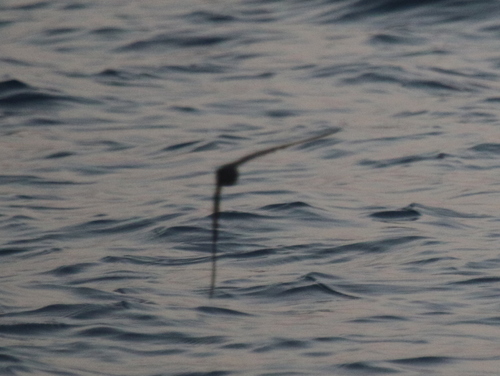 Uccello delle tempeste di Swinhoe
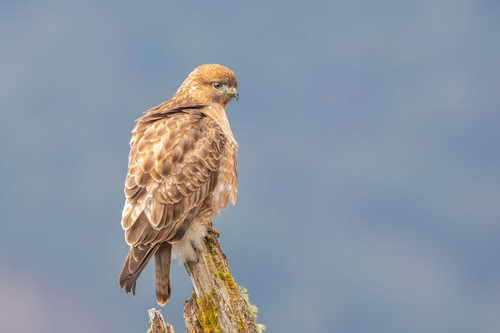 Himalayan Buzzard
In breve
Il modo più affidabile per separare l'Uccello delle tempeste di Swinhoe dal Himalayan Buzzard è attraverso la struttura generale e lo stile di volo: l'Uccello delle tempeste è un piccolo uccello marino completamente scuro, con ali lunghe e una coda forked, mentre l'Himalayan Buzzard è un grande rapace con ali larghe, un becco pesante e ricurvo e tipicamente planano o scivolano. L'Uccello delle tempeste è uniformemente marrone scuro senza pannelli chiari o un sottocoda bianco, e non mostra mai la silhouette simile a un rapace di un buzzard. Anche a distanza, il volo rapido ed erratico dell'uccello delle tempeste sull'acqua è diverso dal volo costante, planante o battente di un buzzard. Se vedi un uccello che si muove sulla superficie dell'oceano o vola basso sulle onde, non è un buzzard. Al contrario, qualsiasi uccello posato o in volo con ali larghe e una coda corta e fanned è un buzzard, non un uccello delle tempeste.
Consigli di identificazione
- Size and shape: L'Uccello delle tempeste di Swinhoe è piccolo e delicato, con ali lunghe e strette e una coda forked; l'Himalayan Buzzard è grande e pesante, con ali larghe e una coda corta e arrotondata. Non c'è sovrapposizione nella silhouette.
- Flight style: L'Uccello delle tempeste ha un volo battente ed erratico, spesso basso sull'acqua, a volte si muove sulla superficie. L'Himalayan Buzzard planano, scivolano e battono le ali con colpi profondi e lenti; non vola mai vicino all'acqua o si muove.
- Plumage: L'Uccello delle tempeste è uniformemente marrone scuro in tutte le piumature, senza segni chiari o bianchi ovunque. L'Himalayan Buzzard mostra sempre una miscela di marroni e aree più chiare, specialmente sulle parti inferiori e sotto le ali.
- Tail shape: L'Uccello delle tempeste ha una coda distintamente forked, visibile in volo e a riposo. La coda dell'Himalayan Buzzard è larga e arrotondata, mai forked.
- Bill: L'Uccello delle tempeste ha un piccolo becco fine tipico di un uccello marino; l'Himalayan Buzzard ha un grande becco ricurvo tipico di un rapace. Questo è visibile da vicino o in buone foto.
- Habitat: L'Uccello delle tempeste è solo in mare, raramente vicino alla terra tranne che in siti di nidificazione remoti o dopo tempeste. L'Himalayan Buzzard si trova solo sopra la terra, specialmente montagne e foreste.
- Perched behavior: L'Uccello delle tempeste è quasi mai visto posato tranne che nei cunicoli di nidificazione, e solo allora si muove goffamente. L'Himalayan Buzzard si posa apertamente su alberi, rocce o pali.
- Context: Se vedi un uccello da una barca, specialmente lontano dalla costa, è quasi certamente non un buzzard. Se vedi un uccello che plana sopra la terra, non è un uccello delle tempeste.
- Juvenile confusion: Non c'è età o morph dell'Himalayan Buzzard che sia completamente scuro come l'Uccello delle tempeste di Swinhoe. I buzzard giovani possono essere più scuri sotto, ma mostrano sempre un pattern e mai l'oscurità uniforme dell'Uccello delle tempeste.
- Rump and wing pattern: L'Uccello delle tempeste manca del sottocoda bianco di alcuni altri uccelli delle tempeste, ma è ancora completamente scuro. I buzzard non mostrano mai un sottocoda o ali completamente scure.
- Feeding behavior: L'Uccello delle tempeste si nutre immergendosi e muovendosi sulla superficie dell'acqua; i buzzard cacciano dall'aria o si posano, mai in mare.
- Legs and walking: L'Uccello delle tempeste può solo muoversi goffamente sulla terra; i buzzard possono camminare e stare in piedi saldamente.
- Vocalization: Non è diagnostico per la separazione sul campo, poiché l'Uccello delle tempeste è silenzioso in mare e i richiami dei buzzard sono tipici scream di rapaci, ma il contesto e l'aspetto sono molto più utili.
- Ship following: L'Uccello delle tempeste non segue le navi, a differenza di alcuni altri uccelli delle tempeste; i buzzard non sono mai visti in mare.
- Pitfalls: L'unica vera confusione è con altri uccelli delle tempeste completamente scuri (non buzzard), o con rapaci scuri lontani sopra la terra (non in mare). Controlla sempre prima l'habitat, la struttura e lo stile di volo.
Taglia
L'Uccello delle tempeste di Swinhoe è un piccolo uccello marino, lungo circa 18–21 cm con un'apertura alare di 45–48 cm [wikipedia]. Al contrario, l'Himalayan Buzzard è un rapace di media grandezza, molto più grande e massiccio di qualsiasi uccello delle tempeste. La dimensione del buzzard è più vicina a quella di un corvo o di un piccolo aquila, mentre l'Uccello delle tempeste è solo leggermente più grande di una rondine. Non c'è sovrapposizione nelle dimensioni: anche il più grande uccello delle tempeste è ridotto rispetto al più piccolo buzzard.
Piumaggio
L'Uccello delle tempeste di Swinhoe è uniformemente marrone scuro in tutte le piumature, senza sottocoda bianco o segni chiari sulle ali o sulla coda, indipendentemente dall'età [wikipedia]. Le sue ali sono lunghe e strette, e la coda è distintamente forked. Le piumature giovanili e adulte sono essenzialmente identiche sul campo. L'Himalayan Buzzard, d'altra parte, mostra piumaggio variabile ma ha sempre un pattern contrastante: tipicamente marrone sopra con parti inferiori più chiare, e spesso con una banda o pancia chiara, e piume di volo più scure. Le ali inferiori del buzzard in volo mostrano un chiaro pattern di chiaro e scuro, e la coda è larga e arrotondata, a volte con barre deboli. Non c'è età o morph dell'Himalayan Buzzard che sia uniformemente scuro come l'Uccello delle tempeste di Swinhoe. In sintesi: l'Uccello delle tempeste è completamente scuro e con ali sottili; l'Himalayan Buzzard è patternato e con ali larghe.
Comportamento
L'Uccello delle tempeste di Swinhoe è strettamente pelagico, raramente visto dalla terra tranne che durante le tempeste, e si nutre fluttuando basso sull'acqua, a volte muovendosi sulla superficie [wikipedia]. Il suo volo è rapido, erratico e galleggiante, con battiti d'ali rapidi e cambi improvvisi di direzione. Non planano o scivolano per lunghi periodi. L'Himalayan Buzzard è un classico rapace, spesso visto planare in alto su termiche, scivolando con le ali tenute in una 'V' poco profonda, o posato su alberi o rocce. Non si nutre mai in volo sopra l'acqua e non si muove mai sulla superficie. Gli stili di volo delle due specie sono completamente diversi e non devono essere confusi.
Habitat
L'Uccello delle tempeste di Swinhoe si trova esclusivamente in mare, lontano dalla terra tranne che in remote isole di nidificazione. È probabile che venga visto solo da una barca o, raramente, spinto a riva da tempeste [wikipedia]. L'Himalayan Buzzard è un rapace terrestre dell'Himalaya e delle montagne adiacenti, trovato sopra foreste, colline aperte e valli, mai in mare. Se vedi un uccello sopra l'oceano aperto, non è un buzzard; se vedi un uccello che plana sopra la terra, non è un uccello delle tempeste.
Uccello delle tempeste di Swinhoe · Himalayan Buzzard · I miei uccelli difficili