

negrola-de-lunetas vs negrola-de-degland
Melanitta perspicillata versus Melanitta deglandi
Jogue um quiz com negrola-de-lunetas e negrola-de-degland
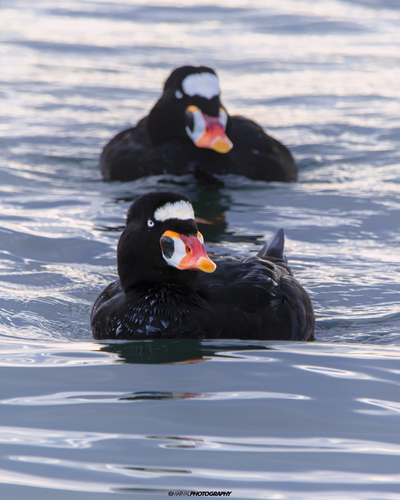 negrola-de-lunetas
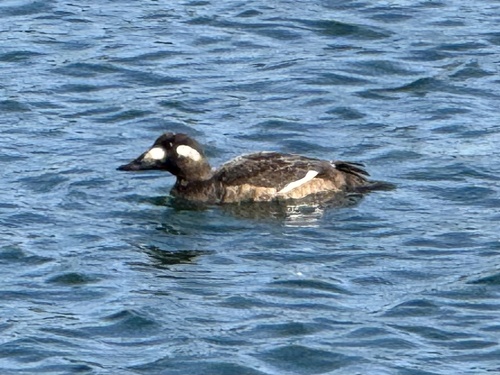 negrola-de-degland
Em resumo
A marca de campo mais confiável para separar a negrola-de-lunetas da negrola-de-degland em voo é o padrão das asas: a negrola-de-lunetas de todas as idades apresenta asas totalmente escuras, enquanto a negrola-de-degland tem uma ousada mancha branca secundária (a 'asa branca') visível em voo, especialmente em machos adultos, mas também presente, embora às vezes menos óbvia, em juvenis e fêmeas. Em repouso, os machos da negrola-de-lunetas são pretos aveludados com distintivas manchas brancas na testa e na nuca, enquanto os machos da negrola-de-degland apresentam uma marca branca em forma de vírgula ao redor do olho e não têm as manchas na testa/nuca. Fêmeas e imaturos de ambas as espécies são marrons, mas as fêmeas da negrola-de-lunetas tendem a ter um bico mais robusto e frequentemente uma mancha pálida na nuca, enquanto as fêmeas da negrola-de-degland são maiores, mais volumosas e têm uma abertura bicarada e um perfil de cabeça mais em dois níveis. A forma do bico e o padrão facial são fundamentais para identificar aves fêmeas/imaturas mais difíceis, mas as vistas de voo da asa superior são o melhor separador.
Dicas de identificação
- Padrão das asas em voo (todas as idades): A negrola-de-lunetas apresenta asas totalmente escuras; a negrola-de-degland sempre mostra uma ousada mancha branca (especulum) na asa superior. Esta é a marca de campo mais confiável em voo para qualquer idade ou sexo.
- Padrão da cabeça do macho adulto: Os machos da negrola-de-lunetas têm uma mancha branca na testa e na nuca; os machos da negrola-de-degland têm uma marca branca em forma de vírgula ao redor do olho, mas não têm manchas na testa/nuca.
- Forma do bico (fêmeas/imaturos): A negrola-de-lunetas tem uma base de bico mais quadrada e um perfil de cabeça mais achatado. A negrola-de-degland tem uma abertura bicarada e um perfil 'em dois níveis' entre o bico e a cabeça, fazendo com que o bico pareça mais integrado ao rosto.
- Cor do bico (machos adultos): O bico do macho da negrola-de-lunetas é inchado, com padrões de laranja, branco, vermelho e amarelo, com uma mancha preta perto da base. O bico do macho da negrola-de-degland é vermelho-alaranjado com um grande botão preto na base.
- Padrão facial de fêmeas/imaturos: Fêmeas/imaturos da negrola-de-lunetas frequentemente mostram manchas pálidas indistintas nas bochechas e às vezes uma mancha branquíssima na nuca (única entre as negrolas). Fêmeas/imaturos da negrola-de-degland têm manchas brancas variáveis na frente e atrás do olho (especialmente em juvenis), mas os adultos podem não ter essas manchas e parecer uniformemente marrons no inverno.
- Cor da barriga de juvenis: Os juvenis da negrola-de-lunetas são mais claros e marrons no geral, com um peito e barriga esbranquiçados. Os juvenis da negrola-de-degland têm uma barriga branca manchada e mais branco nas coberturas secundárias maiores (especialmente em machos).
- Tamanho e volume: A negrola-de-degland é maior e mais volumosa que a negrola-de-lunetas, com um corpo mais largo e um bico mais longo. Isso é mais aparente em bandos mistos, mas sutil em aves solitárias.
- Perfil da cabeça (fêmeas/imaturos): A negrola-de-lunetas tem uma cabeça mais achatada e uma base de bico mais quadrada; a negrola-de-degland apresenta um perfil de cabeça em dois níveis com uma abertura bicarada.
- Penas na base do bico: A penugem ao longo da base do maxilar superior forma um ângulo reto na negrola-de-degland, enquanto a base do bico da negrola-de-lunetas é mais quadrada e robusta.
- Padrão das asas em repouso: Em repouso, a mancha branca da asa da negrola-de-degland pode estar oculta, então não confie nessa marca a menos que a ave esteja em voo ou esticando as asas.
- Preferência de habitat: A negrola-de-lunetas é mais provável de ser encontrada em zonas de surf mais agitadas, enquanto a negrola-de-degland pode ser encontrada em grandes lagos interiores, bem como em águas costeiras, mas há uma sobreposição extensa.
- Sazonalidade da plumagem: Os machos da negrola-de-lunetas podem parecer mais marrons e opacos no verão, mas mantêm o padrão básico da cabeça; os machos da negrola-de-degland podem ter marcas oculares reduzidas e flancos mais marrons na plumagem do segundo ano.
- Bandos mistos: Ambas as espécies frequentemente ocorrem juntas, então verifique cada indivíduo cuidadosamente, especialmente em grandes bandos de negrolas.
- Quando as marcas falham: Para aves distantes ou contraluz, confie no padrão das asas em voo acima de tudo; para fêmeas/imaturos em repouso, a forma do bico e o perfil da cabeça são mais úteis.
- Coberturas secundárias juvenis: Machos juvenis da negrola-de-degland têm mais branco nas coberturas secundárias maiores do que fêmeas juvenis, o que pode ajudar em vistas próximas.
Tamanho
A negrola-de-degland é significativamente maior e mais volumosa que a negrola-de-lunetas. As fêmeas da negrola-de-degland pesam em média cerca de 1.180 g e 52,3 cm de comprimento, com machos chegando a 1.380 g e 55 cm, enquanto a negrola-de-lunetas pesa em média 950 g e 44–48 cm. Essa diferença de tamanho é mais aparente em comparação direta ou em bandos mistos, mas pode ser difícil de julgar em aves solitárias. A negrola-de-degland também tem um corpo mais largo e pesado e um bico maior.
Plumagem
- Voo de juvenis/imaturos e fêmeas: A negrola-de-lunetas de todas as idades e sexos apresenta asas completamente escuras em voo, sem manchas brancas. A negrola-de-degland sempre mostra uma mancha branca secundária (especulum) na asa superior, que é diagnóstica em voo para todas as idades e sexos, embora às vezes menos ousada em fêmeas juvenis.
- Machos adultos (em repouso): Os machos da negrola-de-lunetas são totalmente pretos com uma mancha branca na testa e uma mancha branca na nuca; o bico é inchado e com padrões de laranja, branco, vermelho e amarelo. Os machos da negrola-de-degland são todos pretos, exceto por uma marca branca em forma de vírgula ao redor do olho e um especulum branco (frequentemente oculto em repouso); o bico é vermelho-alaranjado com um grande botão preto na base.
- Fêmeas e imaturos: As fêmeas da negrola-de-lunetas são mais marrons, com uma plumagem bastante uniforme, ligeiramente mais escuras acima, e frequentemente mostram manchas pálidas indistintas nas bochechas e às vezes uma mancha branquíssima na nuca (única entre as negrolas). O bico é preto com tons verdes ou azuis, robusto e de base quadrada. As fêmeas da negrola-de-degland são marrons, mas mais volumosas, com manchas faciais variáveis (mais óbvias em juvenis) e uma abertura bicarada. Os juvenis de ambas as espécies são mais claros na parte inferior, mas os juvenis da negrola-de-degland têm uma barriga branca manchada e mais branco nas coberturas secundárias maiores (especialmente machos).
Comportamento
Ambas as espécies são patos marinhos e frequentemente vistos mergulhando em busca de alimento em águas costeiras, mas a negrola-de-degland tende a parecer mais volumosa e mais pesada em movimento, tanto na água quanto em voo. A negrola-de-lunetas pode parecer mais compacta e ágil. A estrutura do bando e o comportamento de alimentação são, de outra forma, semelhantes e não são diagnosticamente confiáveis.
Habitat
Ambas as espécies se reproduzem no norte da América do Norte e invernam ao longo das costas do Pacífico e do Atlântico. A negrola-de-lunetas é geralmente mais costeira e frequentemente vista em zonas de surf mais agitadas, enquanto a negrola-de-degland pode ser encontrada em lagos interiores maiores, bem como em águas costeiras. A sobreposição é extensa nas áreas de invernada, então o habitat sozinho não é um separador confiável.
negrola-de-lunetas · negrola-de-degland · Minhas aves difíceis