

Surf Scoter vs White-winged Scoter
Melanitta perspicillata contro Melanitta deglandi
Fai un quiz con Surf Scoter e White-winged Scoter
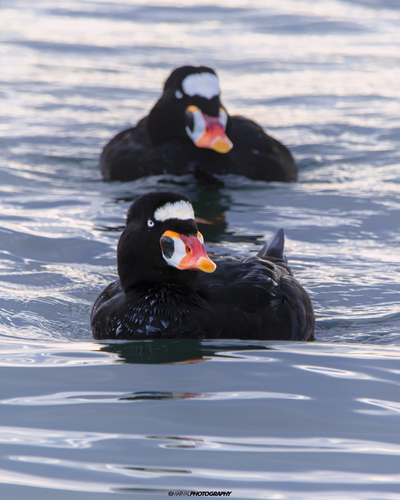 Surf Scoter
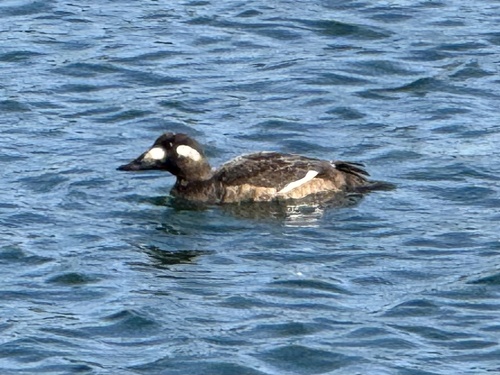 White-winged Scoter
In breve
Il segno di campo più affidabile per separare il Surf Scoter dal White-winged Scoter in volo è il modello delle ali: il Surf Scoter di tutte le età mostra ali completamente scure, mentre il White-winged Scoter ha una audace macchia secondaria bianca (il 'wing bianco') visibile in volo, specialmente nei maschi adulti ma presente anche, sebbene a volte meno ovvia, nei giovani e nelle femmine. A riposo, i maschi di Surf Scoter sono neri vellutati con distintive macchie bianche sulla fronte e sulla nuca, mentre i maschi di White-winged Scoter mostrano un segno a forma di virgola bianca attorno all'occhio e mancano delle macchie sulla fronte/nuca. Le femmine e gli immaturi di entrambe le specie sono marroni, ma le femmine di Surf Scoter tendono ad avere un becco più squadrato e spesso una macchia chiara sulla nuca, mentre le femmine di White-winged Scoter sono più grandi, più robuste e hanno una bocca piumata e un profilo della testa più a due gradini. La forma del becco e il modello facciale sono fondamentali per gli uccelli femmina/immaturi più difficili, ma le viste in volo della parte superiore dell'ala sono il miglior separatore.
Consigli di identificazione
- Wing pattern in flight (all ages): Il Surf Scoter mostra ali completamente scure; il White-winged Scoter mostra sempre una audace macchia bianca (speculum) sulla parte superiore dell'ala. Questo è il segno di campo più affidabile in volo per qualsiasi età o sesso.
- Adult male head pattern: I maschi di Surf Scoter hanno una macchia bianca sulla fronte e sulla nuca; i maschi di White-winged Scoter hanno un segno a forma di virgola bianca attorno all'occhio ma nessuna macchia sulla fronte/nuca.
- Bill shape (females/immatures): Il Surf Scoter ha una base del becco squadrata e un profilo della testa più appiattito. Il White-winged Scoter ha una bocca piumata e un profilo 'a due gradini' tra il becco e la testa, rendendo il becco più integrato nel viso.
- Bill color (adult males): Il becco del maschio di Surf Scoter è gonfio, con un motivo di arancione, bianco, rosso e giallo con una macchia nera vicino alla base. Il becco del maschio di White-winged Scoter è rosso-arancione con un grande pomo nero alla base.
- Female/immature facial pattern: Le femmine/immaturi di Surf Scoter mostrano spesso macchie indistinte di guancia chiara e a volte una macchia chiara sulla nuca (unica tra i scoter). Le femmine/immaturi di White-winged Scoter hanno macchie bianche variabili davanti e dietro l'occhio (soprattutto nei giovani), ma gli adulti possono mancare di queste e apparire uniformemente marroni in inverno.
- Juvenile belly color: I giovani di Surf Scoter sono più chiari e marroni nel complesso con un petto e una pancia bianchi. I giovani di White-winged Scoter hanno una pancia bianca maculata e una maggiore estensione di bianco nelle copritrici secondarie maggiori (soprattutto nei maschi).
- Size and bulk: Il White-winged Scoter è più grande e più robusto del Surf Scoter, con un corpo più largo e un becco più lungo. Questo è più evidente in stormi misti ma sottile su uccelli solitari.
- Head profile (females/immatures): Il Surf Scoter ha una testa più appiattita e una base del becco squadrata; il White-winged Scoter mostra un profilo della testa a due gradini con una bocca piumata.
- Bill base feathering: La piumatura lungo la base del mandibolo superiore forma un angolo retto sul White-winged Scoter, mentre la base del becco del Surf Scoter è più squadrata e bloccata.
- Resting wing pattern: A riposo, la macchia bianca dell'ala del White-winged Scoter può essere nascosta, quindi non fare affidamento su questo segno a meno che l'uccello non sia in volo o stia allargando le ali.
- Habitat preference: Il Surf Scoter è più probabile che si trovi in zone di surf più mosse, mentre il White-winged Scoter può essere trovato su grandi laghi interni così come nelle acque costiere, ma c'è una sovrapposizione estesa.
- Plumage seasonality: I maschi di Surf Scoter possono apparire più marroni e opachi in estate ma mantengono il modello di testa di base; i maschi di White-winged Scoter possono avere marcature oculari ridotte e fianchi più marroni nella plumaggio di secondo anno.
- Mixed flocks: Entrambe le specie si trovano spesso insieme, quindi controlla ogni individuo con attenzione, specialmente in grandi stormi di scoter.
- When marks fail: Per uccelli distanti o retroilluminati, fai affidamento sul modello delle ali in volo sopra ogni altra cosa; per femmine/immaturi a riposo, la forma del becco e il profilo della testa sono più utili.
- Juvenile secondary coverts: I giovani maschi di White-winged Scoter hanno più bianco nelle copritrici secondarie maggiori rispetto alle femmine giovani, il che può aiutare nelle viste ravvicinate.
Taglia
Il White-winged Scoter è significativamente più grande e più robusto del Surf Scoter. Le femmine di White-winged Scoter pesano in media circa 1.180 g e 52,3 cm di lunghezza, con maschi fino a 1.380 g e 55 cm, mentre il Surf Scoter pesa in media 950 g e 44–48 cm. Questa differenza di dimensioni è più evidente nel confronto diretto o in stormi misti, ma può essere difficile da giudicare su uccelli solitari. Il White-winged Scoter ha anche un corpo più largo e pesante e un becco più grande.
Piumaggio
- Juvenile/immature and female flight: Il Surf Scoter di tutte le età e sessi mostra ali completamente scure in volo, senza macchie bianche. Il White-winged Scoter mostra sempre una macchia secondaria bianca (speculum) sulla parte superiore dell'ala, che è diagnostica in volo per tutte le età e sessi, sebbene a volte meno audace nelle femmine giovani.
- Adult males (resting): I maschi di Surf Scoter sono completamente neri con una macchia bianca sulla fronte e una macchia bianca sulla nuca; il becco è gonfio e decorato con arancione, bianco, rosso e giallo. I maschi di White-winged Scoter sono tutti neri tranne per un segno a forma di virgola bianca attorno all'occhio e uno speculum bianco (spesso nascosto a riposo); il becco è rosso-arancione con un grande pomo nero alla base.
- Females and immatures: Le femmine di Surf Scoter sono più marroni, con un piumaggio abbastanza uniforme, leggermente più scuro sopra, e mostrano spesso macchie indistinte di guancia chiara e a volte una macchia chiara sulla nuca (unica tra i scoter). Il becco è nero con toni verdi o blu, squadrato e a base quadrata. Le femmine di White-winged Scoter sono marroni ma più robuste, con macchie facciali variabili (più evidenti nei giovani), e una bocca piumata. I giovani di entrambe le specie sono più chiari sotto, ma i giovani di White-winged Scoter hanno una pancia bianca maculata e una maggiore estensione di bianco nelle copritrici secondarie maggiori (soprattutto nei maschi).
Comportamento
Entrambe le specie sono anatre marine e spesso si vedono tuffarsi per cibo nelle acque costiere, ma il White-winged Scoter tende ad apparire più robusto e più ponderoso nei movimenti, sia in acqua che in volo. Il Surf Scoter può apparire più compatto e agile. La struttura del branco e il comportamento alimentare sono altrimenti simili e non sono affidabilmente diagnostici.
Habitat
Entrambe le specie nidificano nel nord dell'America del Nord e svernano lungo le coste del Pacifico e dell'Atlantico. Il Surf Scoter è generalmente più costiero e spesso visto in zone di surf più mosse, mentre il White-winged Scoter può essere trovato su laghi interni più grandi così come nelle acque costiere. La sovrapposizione è estesa nelle aree di svernamento, quindi l'habitat da solo non è un separatore affidabile.
Surf Scoter · White-winged Scoter · I miei uccelli difficili