

Motmot

アラナミキンクロ 対 アメリカビロードキンクロ

Melanitta perspicillata 対 Melanitta deglandi

アラナミキンクロとアメリカビロードキンクロのクイズ
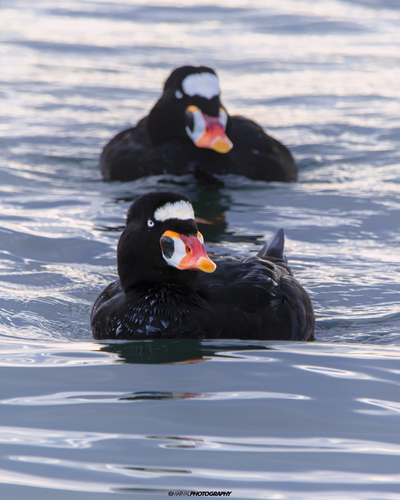
アラナミキンクロ (Melanitta perspicillata) アラナミキンクロ
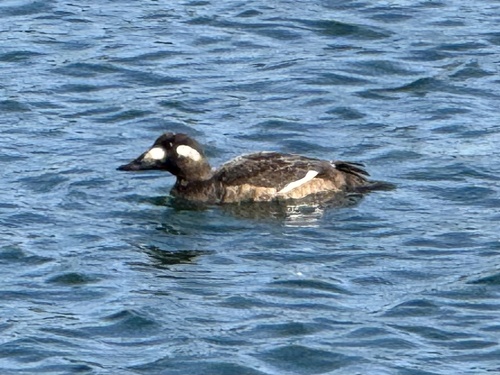
アメリカビロードキンクロ (Melanitta deglandi) アメリカビロードキンクロ

メディア

読み込み中…

要点

サーフスコーターとアメリカビロードキンクロを飛行中に区別する最も信頼できるフィールドマークは翼のパターンです:すべての年齢のサーフスコーターは完全に暗い翼を示しますが、アメリカビロードキンクロは飛行中に特に成鳥のオスに見られる大胆な白い二次パッチ(「白い翼」)を持っていますが、幼鳥やメスにも存在しますが、時にはあまり目立たないこともあります。休んでいるとき、サーフスコーターのオスはベルベットのような黒で、特徴的な白い額と後頭部のパッチを持っていますが、アメリカビロードキンクロのオスは目の周りに白いコンマ型のマークを示し、額や後頭部のパッチがありません。両種のメスと幼鳥は茶色ですが、サーフスコーターのメスはよりブロック状のくちばしを持ち、しばしば淡い後頭部のパッチを持つ傾向がありますが、アメリカビロードキンクロのメスはより大きく、ずんぐりしており、羽毛のある口を持ち、より二段階の頭のプロファイルを持っています。くちばしの形と顔のパターンは、より難しいメスや幼鳥の鳥にとって重要ですが、上翼の飛行ビューは唯一の最良の区別点です。

識別のコツ

  1. 飛行中の翼のパターン(すべての年齢): サーフスコーターは完全に暗い翼を示します;アメリカビロードキンクロは常に上翼に大胆な白いパッチ(スペキュラム)を示します。これは、すべての年齢や性別に対して飛行中の最も信頼できるフィールドマークです。
  2. 成鳥オスの頭のパターン: サーフスコーターのオスは白い額と後頭部のパッチを持っています;アメリカビロードキンクロのオスは目の周りに白いコンマ型のマークを持っていますが、額や後頭部のパッチはありません。
  3. くちばしの形(メス/幼鳥): サーフスコーターはブロック状で四角いくちばしの基部を持ち、より平らな頭のプロファイルを持っています。アメリカビロードキンクロは羽毛のある口を持ち、くちばしと頭の間に「二段階」のプロファイルを持ち、くちばしが顔により統合されているように見えます。
  4. くちばしの色(成鳥オス): サーフスコーターのオスのくちばしは膨らんでおり、オレンジ、白、赤、黄色のパターンがあり、基部付近に黒い斑点があります。アメリカビロードキンクロのオスのくちばしはオレンジ赤で、基部に大きな黒いノブがあります。
  5. メス/幼鳥の顔のパターン: サーフスコーターのメス/幼鳥はしばしば不明瞭な淡い頬のパッチを示し、時には白っぽい後頭部のパッチを持っています(スコーターの中でユニークです)。アメリカビロードキンクロのメス/幼鳥は目の前後に変動する白い斑点を持っています(特に幼鳥において)が、成鳥はこれを欠くことがあり、冬には均一に茶色に見えます。
  6. 幼鳥の腹の色: サーフスコーターの幼鳥は全体的に淡く茶色で、白っぽい胸と腹を持っています。アメリカビロードキンクロの幼鳥はまだらな白い腹を持ち、より広範な白が大きな二次カバーにあります(特にオスにおいて)。
  7. サイズと体重: アメリカビロードキンクロはサーフスコーターよりも大きく、ずんぐりしています。これは混合群れでは最も明らかですが、単独の鳥では微妙です。
  8. 頭のプロファイル(メス/幼鳥): サーフスコーターはより平らな頭とブロック状のくちばしの基部を持っています;アメリカビロードキンクロは羽毛のある口を持つ二段階の頭のプロファイルを示します。
  9. くちばしの基部の羽毛: 上顎の基部に沿った羽毛はアメリカビロードキンクロで直角を形成しますが、サーフスコーターのくちばしの基部はより四角く、ブロック状です。
  10. 休んでいるときの翼のパターン: 休んでいるとき、アメリカビロードキンクロの白い翼のパッチは隠れていることがあるため、鳥が飛んでいるか翼を伸ばしているとき以外はこのマークに頼らないでください。
  11. 生息地の好み: サーフスコーターはより荒い波のゾーンにいる可能性が高く、アメリカビロードキンクロは大きな内陸湖や沿岸水域でも見られますが、広範な重複があります。
  12. 羽毛の季節性: サーフスコーターのオスは夏により茶色く鈍く見えることがありますが、基本的な頭のパターンを保持します;アメリカビロードキンクロのオスは二年目の羽毛で目のマークが減少し、側面が茶色くなることがあります。
  13. 混合群れ: 両種はしばしば一緒に出現するため、特に大きなスコーターの群れでは各個体を注意深く確認してください。
  14. マークが失敗したとき: 遠くのまたは逆光の鳥に対しては、飛行中の翼のパターンに頼ることが最も重要です;休んでいるメス/幼鳥に対しては、くちばしの形と頭のプロファイルが最も役立ちます。
  15. 幼鳥の二次カバー: 幼鳥のオスのアメリカビロードキンクロは幼鳥のメスよりも大きな二次カバーにより広範な白を持っており、近くでの観察に役立ちます。

大きさ

アメリカビロードキンクロはサーフスコーターよりも大きく、ずんぐりしています。アメリカビロードキンクロのメスは平均約1,180g、長さ52.3cmで、オスは最大1,380g、55cmです。一方、サーフスコーターは平均950g、44〜48cmです。このサイズの違いは、直接比較や混合群れで最も明らかですが、単独の鳥では判断が難しいことがあります。アメリカビロードキンクロはまた、より広く、重い体と大きなくちばしを持っています。

羽色

行動

両種は海のカモであり、沿岸水域で食べ物を求めて潜る姿がよく見られますが、アメリカビロードキンクロは水中でも飛行中でもよりずんぐりして重々しい動きに見える傾向があります。サーフスコーターはよりコンパクトで敏捷に見えることがあります。群れの構造と採餌行動はそれ以外は似ており、信頼できる診断的な特徴ではありません。

生息環境

両種は北アメリカの北部で繁殖し、太平洋と大西洋の沿岸で冬を越します。サーフスコーターは一般的により沿岸に生息し、より荒い波のゾーンでよく見られますが、アメリカビロードキンクロは大きな内陸湖や沿岸水域でも見られます。冬の生息地には広範な重複があるため、生息地だけでは信頼できる区別点ではありません。

より良い説明を送る

比較と同じ項目を使ってください。文章はすぐに公開されます。

The most reliable field mark to separate Surf Scoter from White-winged Scoter in flight is the wing pattern: Surf Scoter of all ages shows entirely dark wings, while White-winged Scoter has a bold white secondary patch (the 'white wing') visible in flight, especially on adult males but also present, though sometimes less obvious, on juveniles and females. At rest, Surf Scoter males are velvety black with distinctive white forehead and nape patches, while White-winged Scoter males show a white comma-shaped mark around the eye and lack the forehead/nape patches. Females and immatures of both species are brown, but Surf Scoter females tend to have a blockier bill and often a pale nape patch, while White-winged Scoter females are larger, bulkier, and have a feathered gape and a more two-stepped head profile. Bill shape and facial pattern are key for trickier female/immature birds, but flight views of the upperwing are the single best separator.

  1. Wing pattern in flight (all ages): Surf Scoter shows entirely dark wings; White-winged Scoter always shows a bold white patch (speculum) on the upperwing. This is the single most reliable field mark in flight for any age or sex.
  2. Adult male head pattern: Surf Scoter males have a white forehead and nape patch; White-winged Scoter males have a white comma-shaped mark around the eye but no forehead/nape patches.
  3. Bill shape (females/immatures): Surf Scoter has a blocky, squarish bill base and a more flattened head profile. White-winged Scoter has a feathered gape and a 'two-stepped' profile between bill and head, making the bill look more integrated into the face.
  4. Bill color (adult males): Surf Scoter male's bill is swollen, patterned with orange, white, red, and yellow with a black spot near the base. White-winged Scoter male's bill is orange-red with a large black knob at the base.
  5. Female/immature facial pattern: Surf Scoter females/immatures often show indistinct pale cheek patches and sometimes a whitish nape patch (unique among scoters). White-winged Scoter females/immatures have variable white spots in front of and behind the eye (especially in juveniles), but adults may lack these and appear uniformly brown in winter.
  6. Juvenile belly color: Surf Scoter juveniles are paler and browner overall with a whitish breast and belly. White-winged Scoter juveniles have a mottled white belly and more extensive white in the greater secondary coverts (especially in males).
  7. Size and bulk: White-winged Scoter is larger and bulkier than Surf Scoter, with a broader body and longer bill. This is most apparent in mixed flocks but subtle on lone birds.
  8. Head profile (females/immatures): Surf Scoter has a more flattened head and blocky bill base; White-winged Scoter shows a two-stepped head profile with a feathered gape.
  9. Bill base feathering: The feathering along the base of the upper mandible forms a right angle on White-winged Scoter, while Surf Scoter's bill base is more squared and blocky.
  10. Resting wing pattern: At rest, the white wing patch of White-winged Scoter may be hidden, so do not rely on this mark unless the bird is in flight or stretching its wings.
  11. Habitat preference: Surf Scoter is more likely in rougher surf zones, while White-winged Scoter can be found on large inland lakes as well as coastal waters, but there is extensive overlap.
  12. Plumage seasonality: Surf Scoter males may appear browner and duller in summer but retain the basic head pattern; White-winged Scoter males may have reduced eye markings and browner flanks in second-year plumage.
  13. Mixed flocks: Both species often occur together, so check each individual carefully, especially in large scoter flocks.
  14. When marks fail: For distant or backlit birds, rely on wing pattern in flight above all else; for resting females/immatures, bill shape and head profile are most useful.
  15. Juvenile secondary coverts: Juvenile male White-winged Scoters have more extensive white in the greater secondary coverts than juvenile females, which can help in close views.

White-winged Scoter is significantly larger and bulkier than Surf Scoter. Female White-winged Scoters average about 1,180 g and 52.3 cm in length, with males up to 1,380 g and 55 cm, while Surf Scoter averages 950 g and 44–48 cm. This size difference is most apparent in direct comparison or in mixed flocks, but can be hard to judge on lone birds. White-winged Scoter also has a broader, heavier body and a larger bill.

  • Juvenile/immature and female flight: Surf Scoter of all ages and sexes shows completely dark wings in flight, lacking any white patches. White-winged Scoter always shows a white secondary patch (speculum) on the upperwing, which is diagnostic in flight for all ages and sexes, though sometimes less bold in juvenile females.
  • Adult males (resting): Surf Scoter males are entirely black with a white forehead patch and a white nape patch; bill is swollen and patterned with orange, white, red, and yellow. White-winged Scoter males are all black except for a white comma-shaped mark around the eye and a white speculum (often hidden at rest); bill is orange-red with a large black knob at the base.
  • Females and immatures: Surf Scoter females are browner, with a fairly uniform plumage, slightly darker above, and often show indistinct pale cheek patches and sometimes a whitish nape patch (unique among scoters). Bill is black with green or blue tones, blocky and square-based. White-winged Scoter females are brownish but bulkier, with variable facial patches (more obvious in juveniles), and a feathered gape. Juveniles of both species are paler below, but White-winged Scoter juveniles have a mottled white belly and more extensive white in the greater secondary coverts (especially males).

Both species are sea ducks and often seen diving for food in coastal waters, but White-winged Scoter tends to appear bulkier and more ponderous in movement, both on water and in flight. Surf Scoter can appear more compact and agile. Flock structure and feeding behavior are otherwise similar, and not reliably diagnostic.

Both species breed in northern North America and winter along the Pacific and Atlantic coasts. Surf Scoter is generally more coastal and often seen in rougher surf zones, while White-winged Scoter may be found on larger inland lakes as well as coastal waters. Overlap is extensive in wintering areas, so habitat alone is not a reliable separator.

変更を破棄しますか?

保存していない編集があります。今離れると失われます。

アラナミキンクロ · アメリカビロードキンクロ · 苦手な鳥