

superb starling vs estorninho-metálico-de-cauda-curta
Lamprotornis superbus versus Lamprotornis purpureus
Jogue um quiz com superb starling e estorninho-metálico-de-cauda-curta
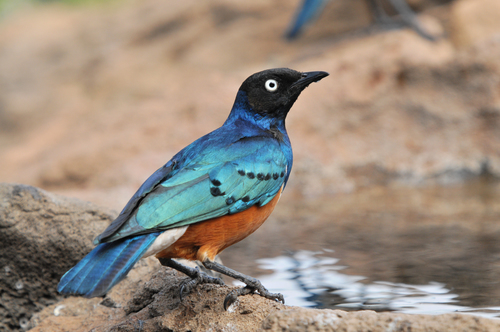 superb starling
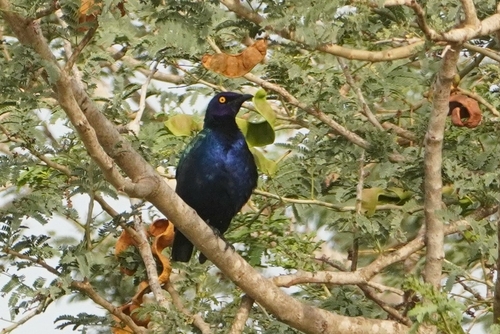 estorninho-metálico-de-cauda-curta
Em resumo
A maneira mais confiável de separar o superb starling do estorninho-metálico-de-cauda-curta é pela cor dos olhos em adultos: o superb starling apresenta olhos branco-cremosos pálidos, enquanto o estorninho-metálico-de-cauda-curta tem olhos amarelos marcantes. Os padrões de plumagem também ajudam—o superb starling tem uma cabeça preta, partes superiores azul-esverdeadas iridescentes, uma faixa peitoral branca e uma barriga ruiva, enquanto o estorninho-metálico-de-cauda-curta é roxo metálico com asas verdes brilhantes e não possui a faixa peitoral branca. As aves juvenis de ambas as espécies são mais apagadas, mas os juvenis de superb starling têm olhos marrons e apenas uma faixa peitoral fraca, enquanto os juvenis de estorninho-metálico-de-cauda-curta têm partes inferiores cinzas e uma íris marrom. O superb starling é menor e com cauda mais curta do que o volumoso estorninho-metálico-de-cauda-curta. No campo, concentre-se na cor dos olhos, na faixa peitoral e na impressão geral de cor para a separação mais confiável.
Dicas de identificação
- Cor dos olhos de adultos: Os adultos de superb starling têm olhos branco-cremosos pálidos, enquanto os adultos de estorninho-metálico-de-cauda-curta apresentam olhos amarelos brilhantes. Esta é a marca única mais confiável em boa luz.
- Cor dos olhos de juvenis: Ambas as espécies têm olhos marrons como juvenis, então a cor dos olhos não é diagnóstica nesta idade. Use a cor dos olhos apenas para adultos.
- Faixa peitoral (adultos): O superb starling apresenta uma distinta faixa peitoral branca separando o peito azul da barriga ruiva. O estorninho-metálico-de-cauda-curta nunca apresenta uma faixa peitoral branca.
- Cor da barriga (adultos): O superb starling tem uma barriga ruivo-laranja, nitidamente demarcada pela faixa peitoral branca. O estorninho-metálico-de-cauda-curta tem um corpo roxo metálico sem barriga ruiva.
- Impressão geral de cor: O superb starling é azul-esverdeado por cima com uma cabeça preta e barriga ruiva; o estorninho-metálico-de-cauda-curta é roxo metálico na cabeça e corpo com asas verdes brilhantes.
- Partes inferiores de juvenis: Os juvenis de superb starling são mais apagados, mas ainda mostram algum padrão; os juvenis de estorninho-metálico-de-cauda-curta têm partes inferiores cinzas e são muito mais apagados, com uma íris marrom.
- Tamanho e estrutura: O superb starling é menor (18–19 cm, 65,5 g), mais compacto e com cauda curta. O estorninho-metálico-de-cauda-curta é maior (22–23 cm), mais volumoso e também tem cauda curta, mas parece mais robusto.
- Bico e pés: Ambas as espécies têm pés fortes e um bico longo e estreito, então essas características não são diagnosticamente confiáveis.
- Padrão de asas e cauda: Nenhum padrão distintivo de asa ou cauda específico para a idade é descrito para qualquer uma das espécies que as separaria em voo.
- Coberturas de cauda inferior: O superb starling tem coberturas de cauda inferior brancas e forros de asas, que podem ser visíveis em voo ou quando a ave está arrepiada. A cauda inferior do estorninho-metálico-de-cauda-curta não é descrita como distintiva.
- Diferenças sexuais: Ambas as espécies são sexualmente monomórficas (os sexos se parecem), então não confie no sexo para identificação.
- Voz: O superb starling tem uma canção complexa e alta com trilos e conversas, e chamadas estridentes ásperas. A voz do estorninho-metálico-de-cauda-curta não é descrita, então use cautela com a identificação vocal.
- Empoleirado vs. em voo: A maioria das marcas de campo (cor dos olhos, faixa peitoral, cor da barriga) são melhor vistas em aves empoleiradas ou em boa luz. Em voo, o tamanho e a impressão geral de cor podem ajudar, mas são menos confiáveis.
- Armadilhas com imaturos: As aves juvenis de ambas as espécies são mais apagadas e carecem das fortes marcas de campo de adultos. Use cautela e concentre-se na estrutura, tamanho e qualquer padrão residual.
- Sobreposição geográfica: Ambas as espécies são estorninhos africanos, mas nem sempre são encontradas nas mesmas regiões. Se vistas juntas, confie nas marcas de campo acima para separação.
Tamanho
O superb starling é visivelmente menor e mais compacto, medindo 18–19 cm de comprimento com uma massa corporal em torno de 65,5 g [wikidata]. O estorninho-metálico-de-cauda-curta é maior e mais robusto, com 22–23 cm, e parece mais robusto no geral. A cauda do superb starling é relativamente curta, enquanto o estorninho-metálico-de-cauda-curta também tem uma cauda curta, mas o maior volume e comprimento da ave são aparentes quando vistas lado a lado ou com experiência.
Plumagem
-
Juvenis: Os juvenis de superb starling são versões mais apagadas dos adultos, sem uma clara faixa peitoral branca e começando com olhos marrons que se tornam branco-cremosos com a idade. Os juvenis de estorninho-metálico-de-cauda-curta são muito mais apagados do que os adultos, com partes inferiores cinzas e uma íris marrom. Ambos carecem da forte iridescência dos adultos, mas as partes inferiores cinzas dos juvenis de estorninho-metálico-de-cauda-curta contrastam com a aparência mais apagada, mas ainda assim padronizada, dos juvenis de superb starling.
-
Adultos: Os adultos de superb starling têm uma cabeça preta, costas iridescentes azul-esverdeadas, peito superior, asas e cauda, uma distinta faixa peitoral branca e uma barriga ruivo-laranja. As coberturas de cauda inferior e os forros de asas são brancos. A cor dos olhos é branco-cremoso pálido. Os adultos de estorninho-metálico-de-cauda-curta são roxos metálicos na cabeça e corpo, com asas verdes brilhantes, uma cauda curta e um olho amarelo brilhante. Eles carecem da faixa peitoral branca e da barriga ruiva do superb starling.
-
Principais contrastes: A faixa peitoral branca e a barriga ruiva do superb starling nunca são igualadas pelo estorninho-metálico-de-cauda-curta. O brilho roxo geral e o olho amarelo do estorninho-metálico-de-cauda-curta são únicos entre esses dois.
Comportamento
Ambas as espécies são estorninhos robustos e de pés fortes com comportamento geral semelhante. Nenhuma diferença comportamental diagnóstica é notada nas fontes para separação em campo.
Voz
O superb starling é conhecido por uma canção longa e alta com trilos e conversas, e uma variedade de chamadas ásperas, incluindo uma sequência complexa de gritos. A voz do estorninho-metálico-de-cauda-curta não é descrita nas notas fornecidas, então as vocalizações não são diagnosticamente confiáveis entre esses dois com base nas informações atuais.
superb starling · estorninho-metálico-de-cauda-curta · Minhas aves difíceis