

bico-reto-de-banda-branca vs limpa-folha-riscado
Heliomaster squamosus versus Automolus subulatus
Jogue um quiz com bico-reto-de-banda-branca e limpa-folha-riscado
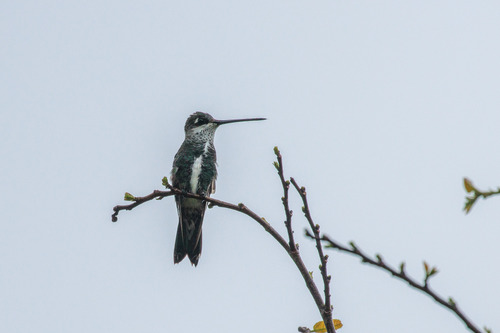 bico-reto-de-banda-branca
 limpa-folha-riscado
Em resumo
A maneira mais confiável de separar o bico-reto-de-banda-branca do limpa-folha-riscado é pela estrutura geral e plumagem: o bico-reto é um beija-flor pequeno e esguio, com um bico longo e levemente curvado para baixo e uma gorjeta violeta brilhante (em machos em reprodução), enquanto o limpa-folha é um ave-do-oven muito maior e robusta, com um bico curto e pesado e listras douradas e buff ousadas na cabeça e no peito. O bico-reto apresenta uma faixa central branca distinta na parte inferior e um bigode branco, enquanto o limpa-folha tem um rosto e peito listrados, mas não possui nenhuma faixa central branca. A forma da cauda também difere: a do bico-reto é bifurcada (especialmente nos machos), enquanto a do limpa-folha é larga e arredondada. Essas aves são extremamente improváveis de serem confundidas por tamanho ou comportamento em campo, mas a confusão pode ocorrer em vistas ruins ou com imaturos.
Dicas de identificação
- Tamanho e estrutura: O bico-reto é pequeno e esguio, com um bico longo e levemente curvado para baixo; o limpa-folha é grande, robusto e tem um bico curto e pesado. Se você ver uma ave que parece um pardal ou maior, não pode ser um bico-reto.
- Forma do bico: O bico do bico-reto é longo, fino e levemente curvado para baixo (como um beija-flor); o do limpa-folha é curto, grosso e reto ou levemente curvado para baixo (como uma ave-do-oven). A cor do bico também difere: o do bico-reto é preto, o do limpa-folha é negro por cima e pálido por baixo.
- Forma da cauda: Machos do bico-reto têm uma cauda profundamente bifurcada, fêmeas menos; a cauda do limpa-folha é larga, arredondada e de cor castanha. A cauda bifurcada em voo é uma forte pista para o bico-reto.
- Marcas faciais brancas: O bico-reto tem uma faixa branca ousada atrás do olho e um bigode branco, visível em todas as idades e sexos. O limpa-folha tem um anel ocular pálido e uma faixa pós-ocular, mas estas são menos nítidas e não parecem um bigode.
- Faixa central na parte inferior: O bico-reto de todas as idades e sexos mostra uma faixa branca ao longo do centro da parte inferior. O limpa-folha nunca mostra isso; seu peito é listrado, mas a barriga é de um marrom tawny sólido.
- Cor da gorjeta/da garganta: O macho do bico-reto em reprodução tem uma gorjeta violeta brilhante com lados alargados; após a reprodução, isso muda para um cinza com manchas pretas. As fêmeas têm gargantas verde-escuras com bordas brancas. A garganta do limpa-folha é de um marrom claro com listras fracas, nunca iridescente ou de cor sólida.
- Cor da parte superior: O bico-reto é verde bronzeado por cima com uma coroa iridescente; o limpa-folha é marrom escuro com listras douradas e buff na coroa e um rabo castanho.
- Cor das asas: As asas do bico-reto não são descritas em detalhes, mas são tipicamente escuras como um beija-flor; as asas do limpa-folha são de um marrom rufo, combinando com sua cauda.
- Confusão juvenil: O juvenil do limpa-folha é mais pálido e menos listrado, mas ainda carece da faixa branca e do bigode do bico-reto. Não há plumagem juvenil descrita para o bico-reto, mas todas as idades mantêm as marcas faciais e na parte inferior brancas.
- Comportamento: Pairar em flores ou voos rápidos é diagnóstico para o bico-reto. Rastejar ao longo de galhos, sondar entre folhas ou juntar-se a bandos mistos é típico do limpa-folha.
- Habitat: O bico-reto é provável em habitats abertos, de borda ou jardins; o limpa-folha é profundo no sub-bosque da floresta ou em níveis intermediários.
- Diferenças sexuais: Machos do bico-reto em plumagem de reprodução são os mais distintos (gorjeta violeta), mas fêmeas e machos não reprodutores ainda mostram a faixa central branca e o bigode. Os sexos do limpa-folha são semelhantes.
- Cor da cauda: A cauda do bico-reto é preta e azul-esverdeada (macho) ou verde com azul e branco (fêmea); a do limpa-folha é sempre castanha.
- Padrão facial: O bigode branco do bico-reto e a faixa pós-ocular são nítidos e brilhantes; o rosto do limpa-folha é listrado, mas com um tom mais difuso de dourado e marrom.
- Quando em dúvida: Se você ver uma ave pequena e pairando com uma faixa branca na barriga e uma cauda bifurcada, é um bico-reto. Se a ave for grande, pousa ou rasteja ao longo de galhos e tem um rosto listrado e cauda castanha, é um limpa-folha.
Tamanho
O bico-reto-de-banda-branca é um beija-flor minúsculo, pesando cerca de 5,7 g e medindo 11,2–12,4 cm de comprimento [wikidata, wikipedia]. Em contraste, o limpa-folha-riscado é muito maior e mais pesado, com 17–18 cm e 25–38 g [wikipedia]. O limpa-folha é mais de três vezes mais pesado e quase duas vezes mais longo que o bico-reto, com um corpo mais volumoso e robusto e um bico visivelmente mais pesado. Mesmo à distância, o bico-reto parece delicado e rápido, enquanto o limpa-folha é robusto e deliberado.
Plumagem
- Plumagem juvenil/imatura: O juvenil do limpa-folha-riscado tem listras menos distintas na cabeça e no peito e partes inferiores mais pálidas do que os adultos, mas ainda mostra um rosto listrado e cauda castanha. Nenhuma plumagem juvenil específica é descrita para o bico-reto-de-banda-branca, mas ambos os sexos e idades compartilham o bigode branco e a faixa central na parte inferior, com fêmeas e machos não reprodutores sem a gorjeta brilhante.
- Machos adultos (reprodução): Os machos do bico-reto têm partes superiores verde bronzeado, uma coroa verde iridescente, uma gorjeta violeta brilhante com lados alargados e uma faixa branca ousada ao longo do meio das partes inferiores verde-escuras. A cauda é bifurcada, com penas centrais pretas e outras azul-esverdeadas escuras. Após a reprodução, a garganta muda para um cinza com manchas pretas.
- Fêmeas adultas: As fêmeas do bico-reto se assemelham aos machos acima, mas a garganta é verde-escura com bordas brancas, o peito e a barriga são cinzentos com uma faixa central branca, e as flancos são esverdeados. A cauda é verde com uma faixa azul aço e pontas brancas nas penas externas.
- Limpa-folha (todas as idades/sexos): Mostra um rosto marrom escuro com listras douradas e buff, anel ocular pálido e faixa pós-ocular, coroa marrom escura com listras douradas e buff, rabo e cauda castanha, e um peito com largas listras douradas e buff que desvanecem antes da rica barriga marrom tawny. Sem faixa central branca ou bigode. A subespécie A. s. lemae é mais olivácea e tem um queixo mais amarelado.
Comportamento
O bico-reto-de-banda-branca se comporta como um típico beija-flor: paira em flores, pousa em galhos expostos e é rápido e ágil em voo. O limpa-folha-riscado forrageia metódicamente ao longo de galhos e cipós, frequentemente juntando-se a bandos de espécies mistas, e geralmente é visto rastejando ou sondando entre folhas mortas e epífitas. Seus movimentos são mais lentos e deliberados, sem qualquer pairar. O bico-reto é quase sempre visto sozinho ou em flores, enquanto o limpa-folha é frequentemente parte de um bando e raramente visita flores.
Habitat
O bico-reto-de-banda-branca é endêmico do Brasil e tipicamente encontrado em habitats adequados para beija-flores, como bordas de florestas, clareiras e jardins. O limpa-folha-riscado tem uma faixa muito mais ampla, encontrado em florestas de planície e encosta em grande parte do norte da América do Sul (Bolívia, Brasil, Colômbia, Equador, Peru, Venezuela), e prefere o sub-bosque denso da floresta e níveis intermediários. Embora ambos possam ocorrer no Brasil, o bico-reto é mais provável em habitats abertos ou de borda, e o limpa-folha no interior profundo da floresta.
bico-reto-de-banda-branca · limpa-folha-riscado · Minhas aves difíceis