

Stripe-breasted Starthroat vs Eastern Woodhaunter
Heliomaster squamosus contro Automolus subulatus
Fai un quiz con Stripe-breasted Starthroat e Eastern Woodhaunter
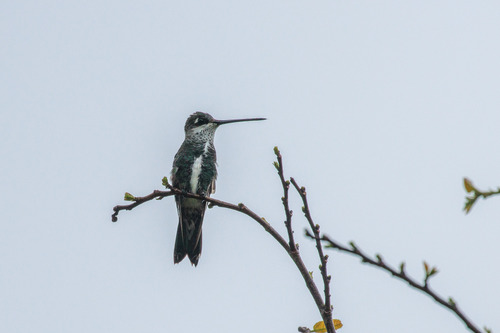 Stripe-breasted Starthroat
 Eastern Woodhaunter
In breve
Il modo più affidabile per separare lo Stripe-breasted Starthroat dall'Eastern Woodhaunter è attraverso la struttura generale e il piumaggio: lo starthroat è un piccolo colibrì snodato con un lungo becco leggermente ricurvo e un gorget viola scintillante (nei maschi in riproduzione), mentre il woodhaunter è un uccello da forno molto più grande e massiccio con un becco corto e pesante e audaci strisce dorato-buff sulla testa e sul petto. Lo starthroat mostra una distintiva striscia centrale bianca sulla parte inferiore e un baffo bianco, mentre il woodhaunter ha un volto e un petto striati ma manca di qualsiasi striscia centrale bianca. Anche la forma della coda differisce: quella dello starthroat è biforcuta (soprattutto nei maschi), mentre quella del woodhaunter è larga e arrotondata. Questi uccelli sono estremamente improbabili da confondere per dimensioni o comportamento sul campo, ma la confusione può verificarsi in visioni scarse o con immaturi.
Consigli di identificazione
- Dimensioni e struttura: Lo starthroat è piccolo e snodato, con un lungo becco leggermente ricurvo; il woodhaunter è grande, massiccio e ha un becco corto e pesante. Se vedi un uccello che assomiglia a un passero o più grande, non può essere uno starthroat.
- Forma del becco: Il becco dello starthroat è lungo, sottile e leggermente ricurvo (simile a un colibrì); quello del woodhaunter è corto, spesso e dritto o leggermente ricurvo (simile a un uccello da forno). Anche il colore del becco differisce: quello dello starthroat è nero, quello del woodhaunter è nerastro sopra e chiaro sotto.
- Forma della coda: I maschi dello starthroat hanno una coda profondamente biforcuta, le femmine meno; la coda del woodhaunter è larga, arrotondata e di colore castano. La coda biforcuta in volo è un forte indizio per lo starthroat.
- Segni facciali bianchi: Lo starthroat ha una forte striscia bianca dietro l'occhio e un baffo bianco, visibile in tutte le età e sessi. Il woodhaunter ha un anello oculare pallido e una striscia post-oculare, ma questi sono meno netti e non simili a baffi.
- Striscia centrale sulla parte inferiore: Lo starthroat di tutte le età e sessi mostra una striscia bianca lungo il centro della parte inferiore. Il woodhaunter non mostra mai questo; il suo petto è striato ma la pancia è di un solido marrone dorato.
- Colore del gorget/della gola: Il maschio in riproduzione dello starthroat ha un gorget viola scintillante con lati svasati; dopo la riproduzione, questo muta in grigio con macchie nere. Le femmine hanno gole di un verde nerastro con bordi bianchi. La gola del woodhaunter è di un chiaro marrone buff con striature deboli, mai iridescente o di colore solido.
- Colore della parte superiore: Lo starthroat è di un verde bronzato sopra con una corona iridescente; il woodhaunter è di un marrone scuro con striature dorato-buff sulla corona e sul dorso castano.
- Colore delle ali: Le ali dello starthroat non sono descritte in dettaglio ma sono tipicamente scure da colibrì; le ali del woodhaunter sono di un marrone rufescente, in abbinamento alla sua coda.
- Confusione giovanile: Il giovane woodhaunter è più chiaro e meno striato ma manca ancora della striscia bianca e del baffo dello starthroat. Non è descritto un piumaggio giovanile specifico per lo starthroat, ma tutte le età mantengono i segni facciali e sulla parte inferiore bianchi.
- Comportamento: Il galleggiare sui fiori o il volo rapido e veloce è diagnostico per lo starthroat. Strisciare lungo i rami, sondare tra le foglie o unirsi a stormi misti è tipico del woodhaunter.
- Habitat: Lo starthroat è probabile in habitat aperti, di margine o giardini; il woodhaunter è profondo nel sottobosco della foresta o a livelli medi.
- Differenze sessuali: I maschi dello starthroat in piumaggio di riproduzione sono i più distintivi (gorget viola), ma le femmine e i maschi non in riproduzione mostrano ancora la striscia centrale bianca e il baffo. I sessi del woodhaunter sono simili.
- Colore della coda: La coda dello starthroat è nera e blu-verde (maschio) o verde con blu e bianco (femmina); quella del woodhaunter è sempre castana.
- Schema del volto: Il baffo bianco e la striscia post-oculare dello starthroat sono netti e brillanti; il volto del woodhaunter è striato ma con un dorato-buff e marrone più diffuso.
- Quando in dubbio: Se vedi un piccolo uccello che galleggia con una striscia bianca lungo la pancia e una coda biforcuta, è uno starthroat. Se l'uccello è grande, si posiziona o striscia lungo i rami, e ha un volto striato e una coda castana, è un woodhaunter.
Taglia
Lo Stripe-breasted Starthroat è un piccolo colibrì, che pesa circa 5,7 g e misura 11,2–12,4 cm di lunghezza [wikidata, wikipedia]. Al contrario, l'Eastern Woodhaunter è molto più grande e pesante, con 17–18 cm e 25–38 g [wikipedia]. Il woodhaunter è oltre tre volte più pesante e quasi il doppio più lungo dello starthroat, con un corpo più massiccio e robusto e un becco visibilmente più pesante. Anche a distanza, lo starthroat appare delicato e veloce, mentre il woodhaunter è tozzo e deliberato.
Piumaggio
- Piumaggio giovanile/immaturo: Il giovane Eastern Woodhaunter ha striature meno distinte sulla testa e sul petto e parti inferiori più chiare rispetto agli adulti, ma mostra ancora un volto striato e una coda castana. Non è descritto un piumaggio giovanile specifico per lo Stripe-breasted Starthroat, ma entrambi i sessi e le età condividono il baffo bianco e la striscia centrale sulla parte inferiore, con femmine e maschi non in riproduzione che mancano del brillante gorget.
- Maschi adulti (riproduzione): I maschi dello starthroat hanno parti superiori di un verde bronzato, una corona verde iridescente, un gorget viola scintillante con lati svasati e una forte striscia bianca lungo il centro delle parti inferiori verde-nerastre. La coda è biforcuta, con le piume centrali nere e le altre di un blu-verde scuro. Dopo la riproduzione, la gola muta in grigio con macchie nere.
- Femmine adulte: Le femmine dello starthroat assomigliano ai maschi sopra, ma la gola è di un verde nerastro con bordi bianchi, il petto e la pancia sono grigi con una striscia centrale bianca, e i fianchi sono verdastri. La coda è verde con una banda blu acciaio e punte bianche sulle piume esterne.
- Woodhaunter (tutte le età/sessi): Mostra un volto marrone scuro con striature dorato-buff, un anello oculare pallido e una striscia post-oculare, una corona marrone scuro con striature dorato-buff, un dorso castano e una coda, e un petto con ampie striature dorato-buff sfocate che svaniscono prima della ricca pancia marrone dorato. Nessuna striscia centrale bianca o baffo. La sottospecie A. s. lemae è più olivacea e ha un mento più giallastro.
Comportamento
Lo Stripe-breasted Starthroat si comporta come un tipico colibrì: galleggia sui fiori, si posa su rametti esposti ed è veloce e agile in volo. L'Eastern Woodhaunter cerca cibo metodicamente lungo rami e viti, unendosi spesso a stormi di specie miste, e viene solitamente visto strisciare o sondare tra foglie morte ed epifite. I suoi movimenti sono più lenti e deliberati, privi di qualsiasi galleggiamento. Lo starthroat è quasi sempre visto da solo o sui fiori, mentre il woodhaunter è spesso parte di uno stormo e raramente visita i fiori.
Habitat
Lo Stripe-breasted Starthroat è endemico del Brasile e tipicamente trovato in habitat adatti ai colibrì, come margini forestali, radure e giardini. L'Eastern Woodhaunter ha un'area molto più ampia, trovato in foreste di pianura e di piede in gran parte del nord del Sud America (Bolivia, Brasile, Colombia, Ecuador, Perù, Venezuela), e preferisce il sottobosco denso e i livelli medi. Anche se entrambi possono verificarsi in Brasile, lo starthroat è più probabile in habitat aperti o di margine, e il woodhaunter profondo negli interni forestali.
Stripe-breasted Starthroat · Eastern Woodhaunter · I miei uccelli difficili