

alcaravão vs tarambola-dourada
Burhinus oedicnemus versus Pluvialis apricaria
Jogue um quiz com alcaravão e tarambola-dourada
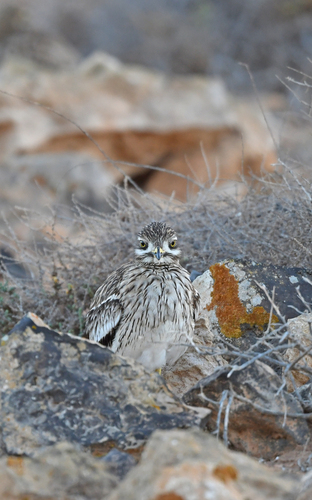 alcaravão
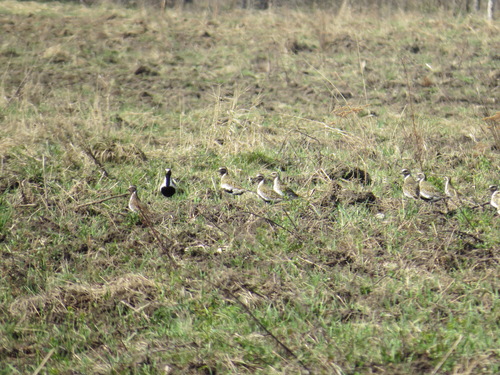 tarambola-dourada
Em resumo
A marca de campo mais confiável para separar o alcaravão da tarambola-dourada é o impressionante padrão de asas preto e branco do alcaravão em voo, que está ausente na tarambola-dourada. O alcaravão é um pássaro mais pesado e robusto, com um bico forte amarelo e preto e grandes olhos amarelos que parecem estar sempre olhando, enquanto a tarambola-dourada é mais compacta, com um bico curto e uma distinta faixa branca em forma de 'S' no rosto e flancos durante a plumagem de reprodução. Ambas as espécies podem apresentar plumagem críptica em tons terrosos quando empoleiradas, mas sua estrutura, estilo de voo e características faciais são muito diferentes. Pássaros imaturos e não reprodutores podem ser especialmente confusos quando em repouso, então concentre-se nas vistas de voo e nas pistas estruturais.
Dicas de identificação
- Em voo, procure por marcas de asas preto e branco: O alcaravão mostra um forte contraste preto e branco nas asas, visível em todas as idades e estações; a tarambola-dourada não possui isso e tem as asas superiores lisas.
- Verifique os olhos: O alcaravão tem olhos amarelos muito grandes e que parecem estar sempre olhando, dando uma aparência de 'olhos esbugalhados'; os olhos da tarambola-dourada são escuros e menos proeminentes.
- Cor e forma do bico: O alcaravão tem um bico forte amarelo e preto, mais grosso e longo do que o bico curto, fino e totalmente escuro da tarambola.
- Padrão facial: Na plumagem de reprodução, a tarambola-dourada tem uma faixa branca em forma de 'S' da testa aos flancos; o alcaravão não possui isso e tem um rosto mais uniforme e críptico com um supercílio pálido.
- Pernas e postura: O alcaravão é mais alto, com 'joelhos' (juntas tibiotarsais) proeminentes e pernas mais longas; a tarambola-dourada é mais compacta e fica mais baixa em relação ao solo.
- Forma do corpo: O alcaravão é mais robusto e tem um corpo mais longo; a tarambola-dourada é robusta, mas menor no geral.
- Plumagem acima: A tarambola-dourada apresenta partes superiores salpicadas de dourado na plumagem de reprodução; o alcaravão é marrom e amarelo pálido acima, sem salpicos.
- Cor da parte inferior da asa: Em voo, a tarambola-dourada tem axilas brancas, mas isso é sutil e não tão marcante quanto o padrão de asas do alcaravão.
- Comportamento: O alcaravão é frequentemente solitário ou em pequenos grupos, imóvel e críptico durante o dia, ativo ao crepúsculo/noite; a tarambola-dourada é mais propensa a ser vista em bandos, ativa durante o dia.
- Habitat: O alcaravão é encontrado em solo seco, pedregoso ou arenoso; a tarambola-dourada prefere áreas abertas de charneca ou pastagens úmidas.
- Voz: O chamado do alcaravão é alto e lamento, geralmente à noite; a tarambola-dourada emite um suave 'tuu' descendente, geralmente durante o dia.
- Tamanho em bandos mistos: Se vistos juntos, o alcaravão é muito maior e mais pesado do que a tarambola-dourada.
- Confusão juvenil: As tarambolas-douradas imaturas não possuem a faixa facial de reprodução marcante e são mais apagadas, mas ainda assim não têm o olho amarelo e o padrão de asas do alcaravão.
- Pássaros empoleirados: Se vistos apenas em repouso, concentre-se na cor dos olhos, forma do bico e comprimento das pernas; a plumagem sozinha pode ser enganosa em luz fraca ou à distância.
- Quando em dúvida: Espere por vistas de voo ou vocalizações, pois estas são as mais confiáveis para separação.
Tamanho
O alcaravão é significativamente maior e mais pesado do que a tarambola-dourada. O alcaravão mede de 38 a 46 cm de comprimento, com uma envergadura de 76 a 88 cm e pesa de 290 a 535 g [wikipedia], enquanto a tarambola-dourada é menor e mais leve, pesando cerca de 175 g [wikidata]. No campo, o alcaravão parece mais esguio e robusto, com pernas mais longas e uma cabeça maior, em comparação com a construção mais compacta e robusta da tarambola.
Plumagem
-
Juvenil/imatura e vistas de voo: O alcaravão de todas as idades mostra marcas de asas preto e branco em voo, que são diagnósticas e ausentes na tarambola-dourada. As tarambolas-douradas não possuem um padrão de asas forte; sua parte inferior é pálida, e os adultos têm axilas brancas, mas a asa superior é lisa.
-
Adultos na plumagem de reprodução: A tarambola-dourada é distinta com uma faixa branca em forma de 'S' da testa aos flancos e partes superiores salpicadas de dourado. O alcaravão é muito mais simples, com plumagem críptica marrom e amarelo pálido, e não possui nenhum salpico dourado ou faixa facial branca.
-
Pássaros não reprodutores/imaturos: Ambas as espécies tornam-se mais apagadas, mas o alcaravão mantém seu olho amarelo e forte padrão facial, enquanto a tarambola-dourada perde a faixa facial marcante, mas permanece mais finamente marcada acima e não possui o forte bico e contraste ocular do alcaravão.
Comportamento
O alcaravão é frequentemente visto em pé e imóvel, confiando em sua plumagem críptica para camuflagem, e é mais ativo ao crepúsculo ou à noite. Ele tem uma caminhada lenta e deliberada e é menos provável de ser visto em grandes bandos. Em voo, mostra batidas lentas e profundas das asas e um padrão de asas preto e branco proeminente. A tarambola-dourada é mais ativa durante o dia, frequentemente encontrada em bandos, e tem um voo rápido e poderoso com batidas regulares das asas. No chão, parece mais compacta e é frequentemente vista correndo e fazendo pausas em áreas abertas.
Habitat
O alcaravão prefere solo seco, aberto, pedregoso ou arenoso, frequentemente em charnecas, campos em pousio ou áreas pedregosas. Evita pastagens úmidas e raramente é encontrado em bancos de lama. A tarambola-dourada prefere charnecas abertas, tundra e, fora da temporada de reprodução, pastagens úmidas, campos e, às vezes, bancos de lama. A sobreposição é possível em solo aberto, mas o alcaravão está muito mais ligado a habitats secos e pedregosos.
Voz
O alcaravão tem um chamado alto, lamento e estranho, frequentemente ouvido à noite, que é muito diferente do suave, descendente e monossilábico 'tuu' da tarambola-dourada. O chamado do alcaravão é mais penetrante e distinto, enquanto o da tarambola é mais lamentoso e menos distante.