

Occhione vs Piviere dorato
Burhinus oedicnemus contro Pluvialis apricaria
Fai un quiz con Occhione e Piviere dorato
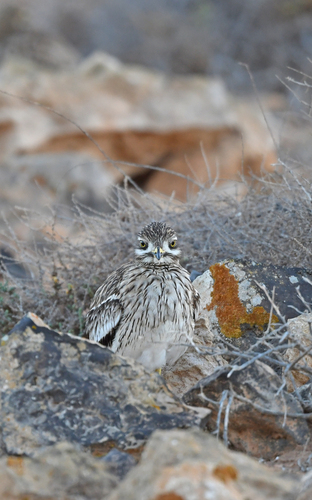 Occhione
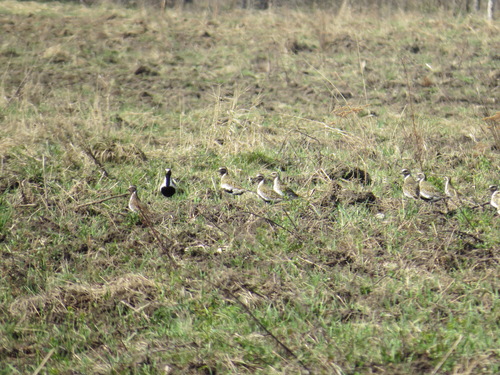 Piviere dorato
In breve
Il segno distintivo più affidabile per separare l'Occhione dal Piviere dorato è il sorprendente motivo delle ali in bianco e nero dell'Occhione in volo, assente nel piviere dorato. L'Occhione è un uccello più pesante e massiccio con un forte becco giallo e nero e grandi occhi gialli che fissano, mentre il Piviere dorato è più compatto, con un becco corto e una distintiva banda bianca a forma di 'S' sul viso e sui fianchi durante il piumaggio nuziale. Entrambe le specie possono mostrare piumaggio criptico, di tonalità terrose quando sono posate, ma la loro struttura, stile di volo e caratteristiche facciali sono molto diverse. Gli uccelli immaturi e non in riproduzione possono essere particolarmente confondenti a riposo, quindi concentrati sulle viste in volo e sui segnali strutturali.
Consigli di identificazione
- In volo, cerca i marcatori delle ali in bianco e nero: L'Occhione mostra un forte contrasto in bianco e nero sulle ali, visibile in tutte le età e stagioni; il Piviere dorato non ha questo e ha le ali superiori uniformi.
- Controlla gli occhi: L'Occhione ha occhi gialli molto grandi e fissi, dando un aspetto 'occhi da gufo'; gli occhi del Piviere dorato sono scuri e meno prominenti.
- Colore e forma del becco: L'Occhione ha un forte becco giallo e nero, più spesso e lungo rispetto al becco corto, fine e completamente scuro del piviere.
- Motivo facciale: Nel piumaggio nuziale, il Piviere dorato ha una banda bianca a forma di 'S' dalla fronte ai fianchi; l'Occhione non ha questo e ha un volto più uniforme e criptico con un supercilium pallido.
- Zampe e postura: L'Occhione sta più in alto, con 'ginocchia' (giunture tibiotarsali) sporgenti e zampe più lunghe; il Piviere dorato è più compatto e sta più vicino al suolo.
- Forma del corpo: L'Occhione è più massiccio e lungo; il Piviere dorato è robusto ma più piccolo nel complesso.
- Piumaggio sopra: Il Piviere dorato mostra parti superiori cosparse di oro nel piumaggio nuziale; l'Occhione è marrone e buff uniforme sopra, senza alcuna cosparsa.
- Colore sotto le ali: In volo, il Piviere dorato ha ascellari bianchi, ma questo è sottile e non così sorprendente come il motivo delle ali dell'Occhione.
- Comportamento: L'Occhione è spesso solitario o in piccoli gruppi, immobile e criptico durante il giorno, attivo al crepuscolo/notte; il Piviere dorato è più probabile che venga visto in stormi, attivo durante il giorno.
- Habitat: L'Occhione si trova su terreni asciutti, rocciosi o sabbiosi; il Piviere dorato preferisce brughiere aperte o prati umidi.
- Voce: Il richiamo dell'Occhione è forte e lamentoso, di solito di notte; il Piviere dorato emette un 'tuu' morbido e discendente, di solito durante il giorno.
- Dimensioni in stormi misti: Se visti insieme, l'Occhione è molto più grande e pesante del Piviere dorato.
- Confusione giovanile: I Pivieri dorati immaturi mancano della banda facciale nuziale audace e sono più opachi, ma mancano ancora dell'occhio giallo e del motivo delle ali dell'Occhione.
- Uccelli posati: Se visti solo a riposo, concentrati sul colore degli occhi, sulla forma del becco e sulla lunghezza delle zampe; il piumaggio da solo può essere fuorviante in luce opaca o a distanza.
- In caso di dubbio: Aspetta viste in volo o vocalizzazioni, poiché queste sono le più affidabili per la separazione.
Taglia
L'Occhione è significativamente più grande e pesante del Piviere dorato. L'Occhione misura 38–46 cm di lunghezza con un'apertura alare di 76–88 cm e pesa 290–535 g [wikipedia], mentre il Piviere dorato è più piccolo e leggero, intorno ai 175 g [wikidata]. Sul campo, l'Occhione appare più snello e robusto, con zampe più lunghe e una testa più grande, rispetto alla costruzione più compatta e massiccia del piviere.
Piumaggio
-
Giovanile/immaturo e viste in volo: L'Occhione di tutte le età mostra marcatori delle ali in bianco e nero audaci in volo, che sono diagnostici e assenti nel Piviere dorato. I Pivieri dorati mancano di un forte motivo delle ali; il loro sottoala è pallido e gli adulti hanno ascellari bianchi, ma l'ala superiore è uniforme.
-
Adulti in piumaggio nuziale: Il Piviere dorato è distintivo con una banda bianca a forma di 'S' dalla fronte ai fianchi e parti superiori cosparse di oro. L'Occhione è molto più semplice, con piumaggio criptico marrone e buff, e manca di qualsiasi cosparsa dorata o banda facciale bianca.
-
Uccelli non in riproduzione/immaturi: Entrambe le specie diventano più opache, ma l'Occhione mantiene il suo occhio giallo e un forte motivo facciale, mentre il Piviere dorato perde la banda facciale audace ma rimane più finemente marcato sopra e manca del forte becco e del contrasto degli occhi dell'Occhione.
Comportamento
L'Occhione è spesso visto in piedi dritto e immobile, facendo affidamento sul suo piumaggio criptico per il camuffamento, ed è per lo più attivo al crepuscolo o di notte. Ha una camminata lenta e deliberata ed è meno probabile che venga visto in grandi stormi. In volo, mostra battiti d'ali lenti e profondi e un prominente motivo delle ali in bianco e nero. Il Piviere dorato è più attivo durante il giorno, spesso trovato in stormi, e ha un volo rapido e potente con battiti d'ali regolari. A terra, appare più compatto ed è frequentemente visto correre e fermarsi in aree aperte.
Habitat
L'Occhione preferisce terreni asciutti, aperti, rocciosi o sabbiosi, spesso in brughiere, campi incolti o aree ghiaiose. Evita i prati umidi ed è raramente trovato su fanghi. Il Piviere dorato favorisce brughiere aperte, tundra e, al di fuori della stagione di riproduzione, prati umidi, campi e talvolta fanghi. È possibile una sovrapposizione su terreni aperti, ma l'Occhione è molto più legato agli habitat asciutti e rocciosi.
Voce
L'Occhione ha un richiamo forte, lamentoso e inquietante, spesso udito di notte, che è molto diverso dal 'tuu' morbido e discendente del Piviere dorato. Il richiamo dell'Occhione è più penetrante e distintivo, mentre quello del piviere è più lamentoso e meno portante.