

perna-vermelha-bastardo vs maçarico-grande-de-perna-amarela
Tringa erythropus versus Tringa melanoleuca
Jogue um quiz com perna-vermelha-bastardo e maçarico-grande-de-perna-amarela
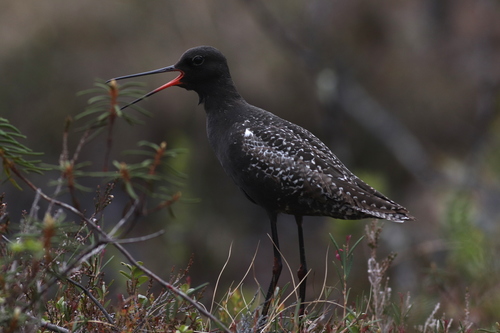 perna-vermelha-bastardo
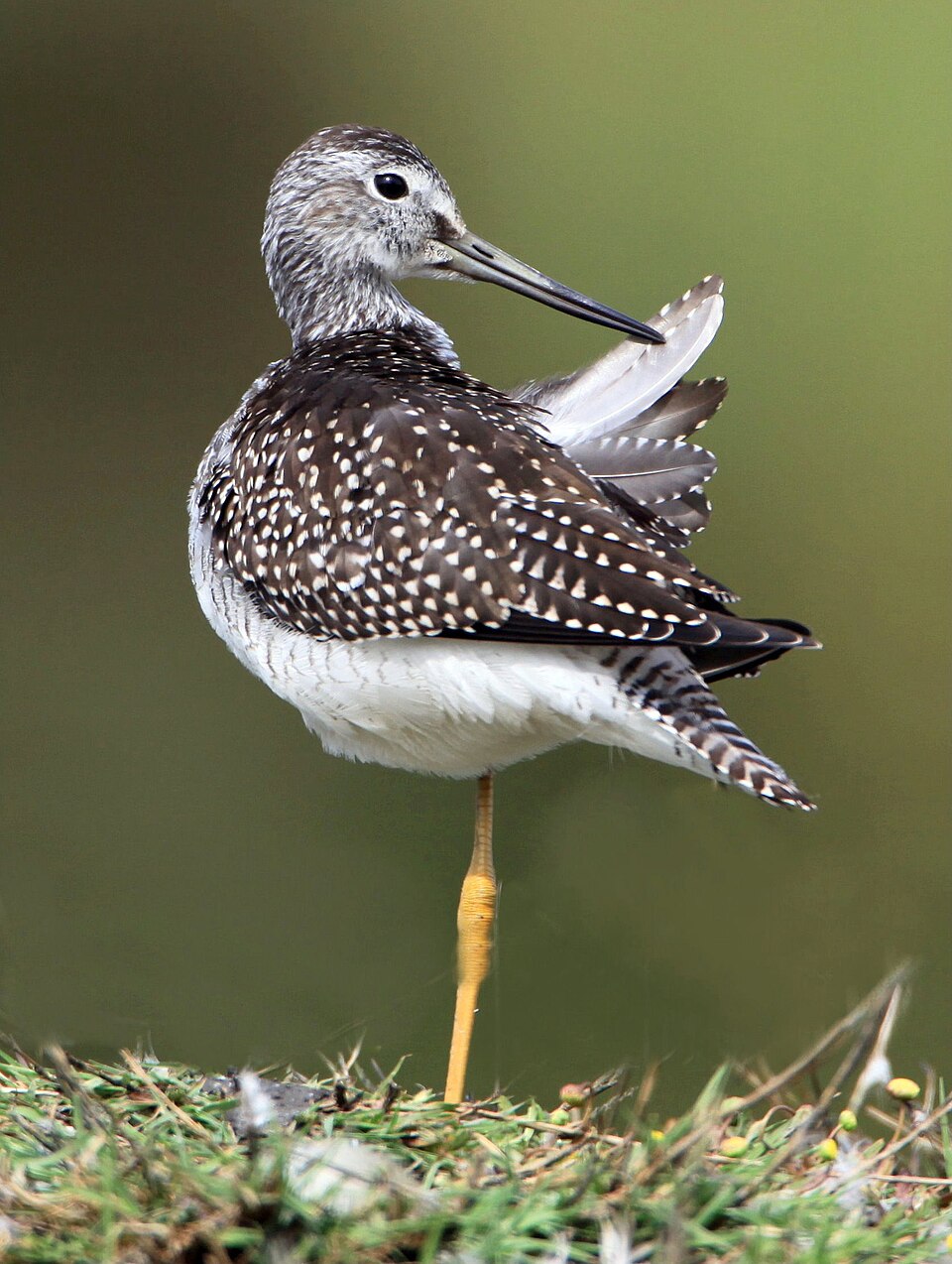 maçarico-grande-de-perna-amarela
Em resumo
A marca de campo mais confiável entre a perna-vermelha-bastardo e o maçarico-grande-de-perna-amarela é a cor das pernas: a perna-vermelha-bastardo tem pernas vermelhas (às vezes escurecendo na plumagem de reprodução), enquanto o maçarico-grande-de-perna-amarela sempre mostra pernas amarelas brilhantes. Em voo, a perna-vermelha-bastardo exibe um oval branco distinto nas costas, enquanto o maçarico-grande-de-perna-amarela tem uma rabadilha branca, mas não possui esse oval. As juvenis da perna-vermelha-bastardo são finamente salpicadas na parte superior e listradas na parte inferior, contrastando com as listras mais grossas nas juvenis do maçarico-grande-de-perna-amarela. Ambos são grandes e esguios Tringa, mas a atenção cuidadosa a esses detalhes—especialmente a cor das pernas e o padrão de voo—os separará na maioria das condições.
Dicas de identificação
- A cor das pernas é a marca de campo mais consistente: A perna-vermelha-bastardo tem pernas vermelhas (às vezes escurecendo para cinza na plumagem de reprodução), enquanto o maçarico-grande-de-perna-amarela sempre tem pernas amarelas brilhantes. Verifique a cor das pernas em boa luz—lama ou água podem obscurecer isso, então confirme com outras marcas se houver dúvida.
- Padrão de voo: A perna-vermelha-bastardo mostra um oval branco distinto nas costas em voo (todas as idades), enquanto o maçarico-grande-de-perna-amarela mostra uma rabadilha branca, mas não possui o oval nas costas. Procure por essa marca quando as aves se levantarem ou voarem.
- Partes superiores juvenis/imaturas: As juvenis da perna-vermelha-bastardo são finamente salpicadas de branco na parte superior, com partes inferiores pálidas e finamente listradas. As juvenis do maçarico-grande-de-perna-amarela são cinza-marrom na parte superior, mas com listras mais grossas e escuras no peito e no pescoço, e não têm a fina salpicadura.
- Plumagem de reprodução: A perna-vermelha-bastardo é quase totalmente preta a cinza escuro com manchas brancas na época de reprodução (as pernas também escurecem), enquanto o maçarico-grande-de-perna-amarela nunca é preto—procure por listras e manchas pesadas e nítidas no peito e nas costas, mas sempre com uma barriga branca e pernas amarelas.
- Estrutura do bico: Ambos têm bicos longos e finos, mas o bico do maçarico-grande-de-perna-amarela é frequentemente ligeiramente curvado para cima e mais longo que a cabeça; o bico da perna-vermelha-bastardo é reto a ligeiramente pendente e também longo. O formato do bico é sutil e nem sempre confiável à distância.
- Estrutura do corpo: Ambos são esguios e de pernas longas, mas a perna-vermelha-bastardo pode parecer ligeiramente mais elegante e menos robusta que o maçarico-grande-de-perna-amarela. Isso é subjetivo e é melhor usado com outras marcas.
- Padrão das partes inferiores (não-reprodução): A perna-vermelha-bastardo é mais clara no geral, com listras menos grossas no peito em comparação com o padrão de peito escuro e nítido do maçarico-grande-de-perna-amarela.
- Voz: Se ouvido bem, a perna-vermelha-bastardo emite um assobio rangente, semelhante ao de uma gaivota, enquanto o maçarico-grande-de-perna-amarela emite um assobio alto e claro de três notas. Chamadas de alarme diferem também, mas ambos podem emitir notas agudas que são confusas à distância.
- Habitat e distribuição: Na Europa e na Ásia, a perna-vermelha-bastardo é esperada; o maçarico-grande-de-perna-amarela é um vagante. Na América do Norte, o inverso é verdadeiro. Use a distribuição apenas como uma pista de apoio.
- Tempos de muda: Os adultos da perna-vermelha-bastardo trocam completamente de penas entre julho e outubro, com muda corporal na primavera de março a maio. As juvenis têm uma muda parcial de agosto a fevereiro. O tempo de muda do maçarico-grande-de-perna-amarela não é detalhado aqui, então não use isso como um separador.
- Rabadilha branca vs. oval branco nas costas: Ambos mostram branco na parte traseira em voo, mas apenas a perna-vermelha-bastardo tem o oval nas costas. O branco do maçarico-grande-de-perna-amarela é limitado à rabadilha.
- Confusão com o maçarico-de-perna-amarela: Ambas as espécies podem ser confundidas com o maçarico-de-perna-amarela, mas apenas o maçarico-grande-de-perna-amarela é estrutural e plumagem similar. A perna-vermelha-bastardo é maior e estruturalmente diferente do maçarico-de-perna-amarela.
- Diferenças sexuais: Não há dimorfismo sexual forte em nenhuma das espécies; todas as marcas se aplicam a ambos os sexos.
- Contexto e agrupamento: Ambas podem ocorrer sozinhas ou em bandos mistos com outros limícolas. Use comparação direta se ambos estiverem presentes.
- Armadilhas: Pernas lamacentas, luz fraca ou vistas distantes podem obscurecer a cor das pernas. Confie em uma combinação de padrão de voo, marcas das partes inferiores e voz quando a cor das pernas não for visível.
Tamanho
Ambas as espécies estão entre os maiores Tringa, e seus tamanhos corporais se sobrepõem consideravelmente. O maçarico-grande-de-perna-amarela é ligeiramente mais pesado em média (170 g vs. 151,5 g para a perna-vermelha-bastardo [wikidata]), mas ambos são semelhantes em comprimento (29–31 cm para a perna-vermelha-bastardo, 29–40 cm para o maçarico-grande-de-perna-amarela [wikipedia]). No campo, o tamanho sozinho não é um separador confiável, pois ambos podem parecer igualmente altos e esguios.
Plumagem
- Juvenis/imaturas: As juvenis da perna-vermelha-bastardo são cinza-marrom na parte superior com finos salpicos brancos e têm partes inferiores pálidas e finamente listradas. Em contraste, as juvenis do maçarico-grande-de-perna-amarela são cinza-marrom na parte superior, mas apresentam listras mais grossas e escuras no peito e no pescoço, e suas partes superiores não têm a fina salpicadura da perna-vermelha-bastardo.
- Adultos (não-reprodução): Ambas as espécies são pálidas na parte inferior e cinza-marrom na parte superior, mas a perna-vermelha-bastardo é geralmente mais clara no geral, especialmente no inverno. O oval branco nas costas da perna-vermelha-bastardo é visível em voo em todas as plumagens, enquanto o maçarico-grande-de-perna-amarela mostra uma rabadilha branca, mas não um oval nas costas.
- Adultos (reprodução): A perna-vermelha-bastardo é striking black to dark grey with white spots in breeding plumage, enquanto o maçarico-grande-de-perna-amarela nunca é preto—sua plumagem de reprodução apresenta um peito e pescoço listrados de forma grosseira com muito preto nos ombros e costas, mas sempre com uma barriga branca e pernas amarelas.
- Cor das pernas: A perna-vermelha-bastardo tem pernas vermelhas (às vezes cinza escuro na reprodução), o maçarico-grande-de-perna-amarela sempre tem pernas amarelas brilhantes.
Comportamento
Ambas as espécies forrageiam em águas rasas, frequentemente se movimentando ativamente. O maçarico-grande-de-perna-amarela é conhecido por agitar a água com seu bico enquanto se alimenta. A perna-vermelha-bastardo pode parecer ligeiramente mais elegante e menos frenética em seus movimentos, mas as diferenças comportamentais são sutis e não consistentemente diagnósticas.
Habitat
A perna-vermelha-bastardo se reproduz em taiga pantanosa e inverna por toda a Eurásia e África, enquanto o maçarico-grande-de-perna-amarela se reproduz em pântanos boreais da América do Norte e inverna mais ao sul nas Américas. Na Europa, a perna-vermelha-bastardo é regular; o maçarico-grande-de-perna-amarela é um vagante raro. Na América do Norte, o inverso é verdadeiro. Ambas ocorrem em pântanos rasos e margens lamacentas, portanto, o habitat não é um separador forte, a menos que você esteja muito fora da faixa esperada de uma espécie.
Voz
A perna-vermelha-bastardo emite um assobio rangente 'teu-it' e um alarme 'kyip-kyip-kyip.' O maçarico-grande-de-perna-amarela tem um assobio de três sílabas muito mais alto, claro e áspero em voo, com a terceira sílaba em um tom mais baixo. As chamadas são bastante diferentes se ouvidas bem, mas ambos podem emitir notas agudas que podem confundir à distância.
perna-vermelha-bastardo · maçarico-grande-de-perna-amarela · Minhas aves difíceis