

Totano moro vs Greater Yellowlegs
Tringa erythropus contro Tringa melanoleuca
Fai un quiz con Totano moro e Greater Yellowlegs
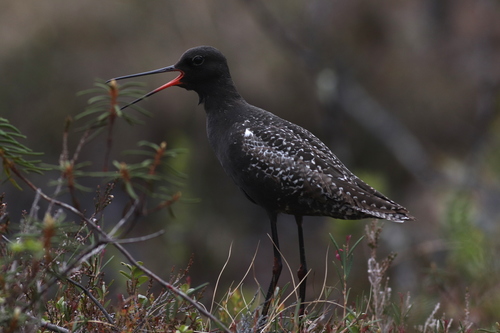 Totano moro
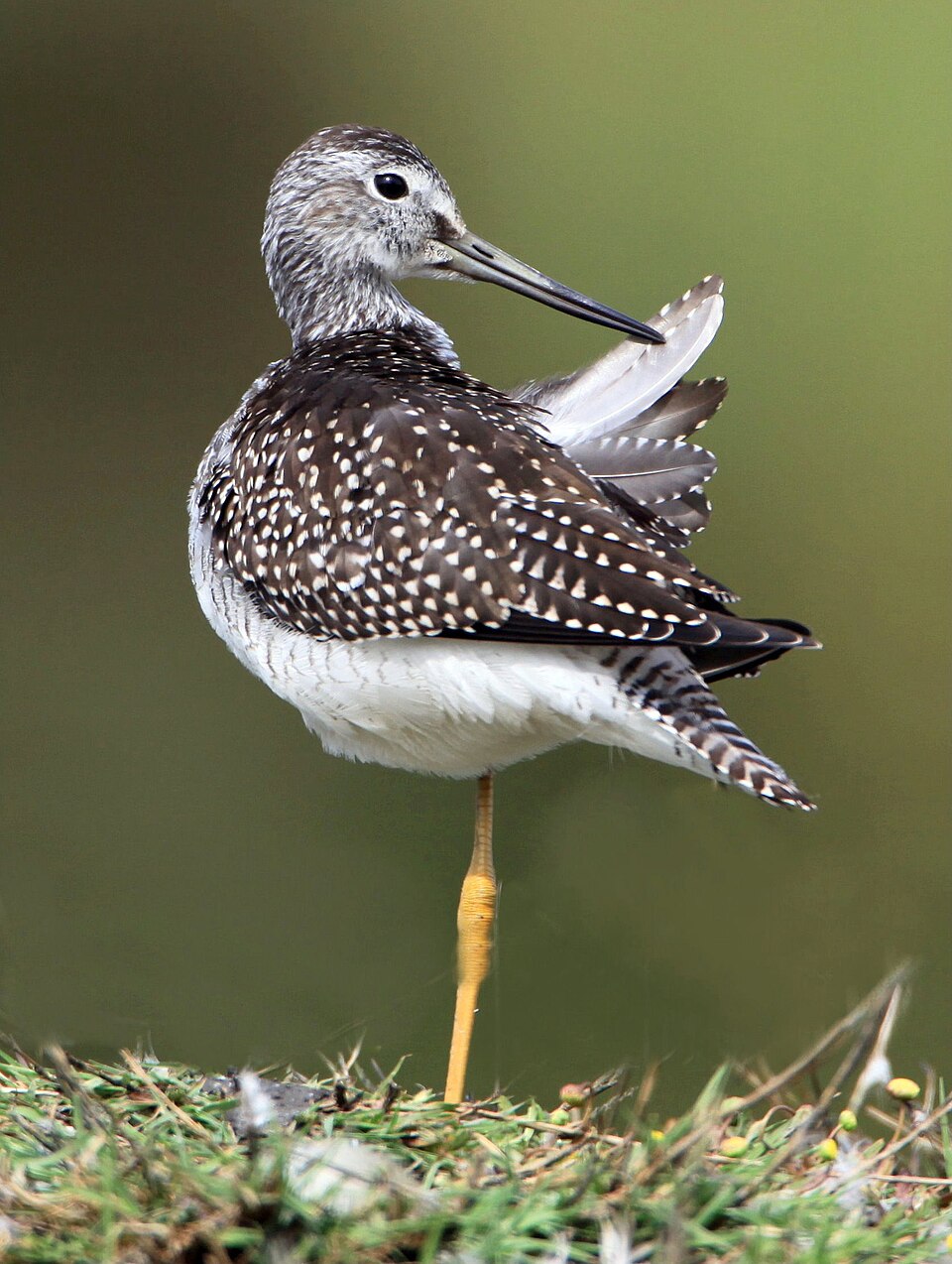 Greater Yellowlegs
In breve
Il segno di campo più affidabile tra Totano moro e Greater Yellowlegs è il colore delle gambe: il Totano moro ha gambe rosse (a volte scurendosi in livrea nuziale), mentre il Greater Yellowlegs mostra sempre gambe gialle brillanti. In volo, il Totano moro mostra un ovale bianco distintivo sulla schiena, mentre il Greater Yellowlegs ha un sottocoda bianco ma manca di questo ovale. I giovani Totano moro sono finemente macchiati sopra e barrati sotto, in contrasto con le striature più grossolane sui giovani Greater Yellowlegs. Entrambi sono grandi trampolieri Tringa snelli, ma prestare attenzione a questi dettagli—specialmente il colore delle gambe e il modello di volo—li separerà nella maggior parte delle condizioni.
Consigli di identificazione
- Il colore delle gambe è il segno di campo più consistente: Il Totano moro ha gambe rosse (a volte scurendosi a grigio in livrea nuziale), mentre il Greater Yellowlegs ha sempre gambe gialle brillanti. Controlla il colore delle gambe in buona luce—fango o acqua possono oscurarlo, quindi conferma con altri segni se hai dubbi.
- Modello di volo: Il Totano moro mostra un ovale bianco distintivo sulla schiena in volo (tutte le età), mentre il Greater Yellowlegs mostra un sottocoda bianco ma manca dell'ovale sulla schiena. Cerca questo segno quando gli uccelli si alzano in volo o passano.
- Parte superiore dei giovani/immaturi: I giovani Totano moro sono finemente macchiati di bianco sopra, con parti inferiori pallide e finemente barrate. I giovani Greater Yellowlegs sono grigio-marroni sopra ma con striature più grossolane e scure sul petto e sul collo, e mancano della fine macchiatura.
- Livrea nuziale: Il Totano moro è quasi interamente nero a grigio scuro con macchie bianche in stagione di nidificazione (le gambe si scuriscono anche), mentre il Greater Yellowlegs non è mai nero—cerca striature e macchie pesanti e nette sul petto e sulla schiena, ma sempre con una pancia bianca e gambe gialle.
- Struttura del becco: Entrambi hanno becchi lunghi e sottili, ma il becco del Greater Yellowlegs è spesso leggermente sollevato e più lungo della testa; il becco del Totano moro è dritto o leggermente pendente e anch'esso lungo. La forma del becco è sottile e non sempre affidabile a distanza.
- Struttura del corpo: Entrambi sono snelli e con gambe lunghe, ma il Totano moro può apparire leggermente più elegante e meno robusto rispetto al Greater Yellowlegs. Questo è soggettivo e meglio utilizzato con altri segni.
- Modello delle parti inferiori (non nuziale): Il Totano moro è complessivamente più chiaro, con meno striature grossolane sul petto rispetto al modello di petto scuro e netto del Greater Yellowlegs.
- Voce: Se udito bene, il Totano moro emette un fischio scricchiolante, simile a quello di una sterna, mentre il Greater Yellowlegs emette un forte e chiaro fischio a tre note. Anche i richiami di allerta differiscono, ma entrambi possono emettere note acute che possono confondere a distanza.
- Habitat e distribuzione: In Europa e Asia, il Totano moro è atteso; il Greater Yellowlegs è un vagabondo. In Nord America, il contrario è vero. Usa la distribuzione solo come indizio di supporto.
- Tempi di muta: Gli adulti di Totano moro mutano completamente tra luglio e ottobre, con muta del corpo primaverile da marzo a maggio. I giovani hanno una muta parziale da agosto a febbraio. I tempi di muta del Greater Yellowlegs non sono dettagliati qui, quindi non usarli come separatore.
- Sottocoda bianco vs. ovale bianco sulla schiena: Entrambi mostrano bianco nella parte posteriore in volo, ma solo il Totano moro ha l'ovale sulla schiena. Il bianco del Greater Yellowlegs è limitato al sottocoda.
- Confusione con il Totano zampegialle minore: Entrambe le specie possono essere confuse con il Totano zampegialle minore, ma solo il Greater Yellowlegs è simile nella struttura e nella livrea. Il Totano moro è più grande e strutturalmente diverso dal Totano zampegialle minore.
- Differenze sessuali: Nessun forte dimorfismo sessuale in entrambe le specie; tutti i segni si applicano a entrambi i sessi.
- Contesto e stormi: Entrambi possono verificarsi singolarmente o in stormi misti con altri trampolieri. Usa il confronto diretto se entrambi sono presenti.
- Trappole: Gambe fangose, scarsa illuminazione o viste distanti possono oscurare il colore delle gambe. Fai affidamento su una combinazione di modello di volo, segni delle parti inferiori e voce quando il colore delle gambe non è visibile.
Taglia
Entrambe le specie sono tra i più grandi trampolieri Tringa, e le loro dimensioni corporee si sovrappongono considerevolmente. Il Greater Yellowlegs pesa mediamente leggermente di più (170 g contro 151,5 g per il Totano moro [wikidata]), ma entrambe sono simili in lunghezza (29–31 cm per il Totano moro, 29–40 cm per il Greater Yellowlegs [wikipedia]). Sul campo, la dimensione da sola non è un separatore affidabile, poiché entrambe possono apparire ugualmente alte e snelle.
Piumaggio
- Giovani/immaturi: I giovani Totano moro sono grigio-marroni sopra con fine macchiatura bianca e hanno parti inferiori pallide e finemente barrate. Al contrario, i giovani Greater Yellowlegs sono grigio-marroni sopra ma mostrano striature più grossolane e scure sul petto e sul collo, e le loro parti superiori mancano della fine macchiatura del Totano moro.
- Adulti (non nuziali): Entrambe le specie sono chiare sotto e grigio-marroni sopra, ma il Totano moro è generalmente più chiaro nel complesso, specialmente in inverno. L'ovale bianco sulla schiena del Totano moro è visibile in volo in tutte le livree, mentre il Greater Yellowlegs mostra un sottocoda bianco ma non un ovale sulla schiena.
- Adulti (nuziali): Il Totano moro è notevolmente nero a grigio scuro con macchie bianche in livrea nuziale, mentre il Greater Yellowlegs non è mai nero—la sua livrea nuziale presenta un petto e un collo striati grossolanamente con molto nero sulle spalle e sulla schiena, ma sempre con una pancia bianca e gambe gialle.
- Colore delle gambe: Il Totano moro ha gambe rosse (a volte grigie scure in livrea nuziale), il Greater Yellowlegs ha sempre gambe gialle brillanti.
Comportamento
Entrambe le specie si nutrono in acque poco profonde, spesso guadando attivamente. Il Greater Yellowlegs è noto per sollevare acqua con il suo becco mentre si nutre. Il Totano moro può apparire leggermente più elegante e meno frenetico nei suoi movimenti, ma le differenze comportamentali sono sottili e non sempre diagnostiche.
Habitat
Il Totano moro nidifica in taiga paludosa e sverna in Eurasia e Africa, mentre il Greater Yellowlegs nidifica in zone umide boreali del Nord America e sverna più a sud nelle Americhe. In Europa, il Totano moro è regolare; il Greater Yellowlegs è un raro vagabondo. In Nord America, il contrario è vero. Entrambi si trovano in zone umide poco profonde e margini fangosi, quindi l'habitat non è un forte separatore a meno che tu non sia molto al di fuori dell'area attesa di una specie.
Voce
Il Totano moro emette un fischio scricchiolante 'teu-it' e un allerta 'kyip-kyip-kyip.' Il Greater Yellowlegs ha un fischio a tre sillabe molto più forte, chiaro e aspro in volo, con la terza sillaba a tono più basso. I richiami sono abbastanza diversi se uditi bene, ma entrambi possono emettere note acute e squillanti che possono confondere a distanza.