

Archibebe Oscuro vs Archibebe Patigualdo Grande
Tringa erythropus frente a Tringa melanoleuca
Juega un quiz con Archibebe Oscuro y Archibebe Patigualdo Grande
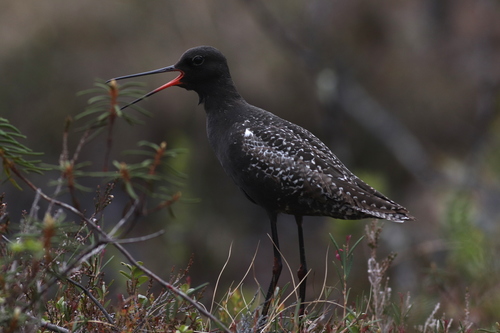 Archibebe Oscuro
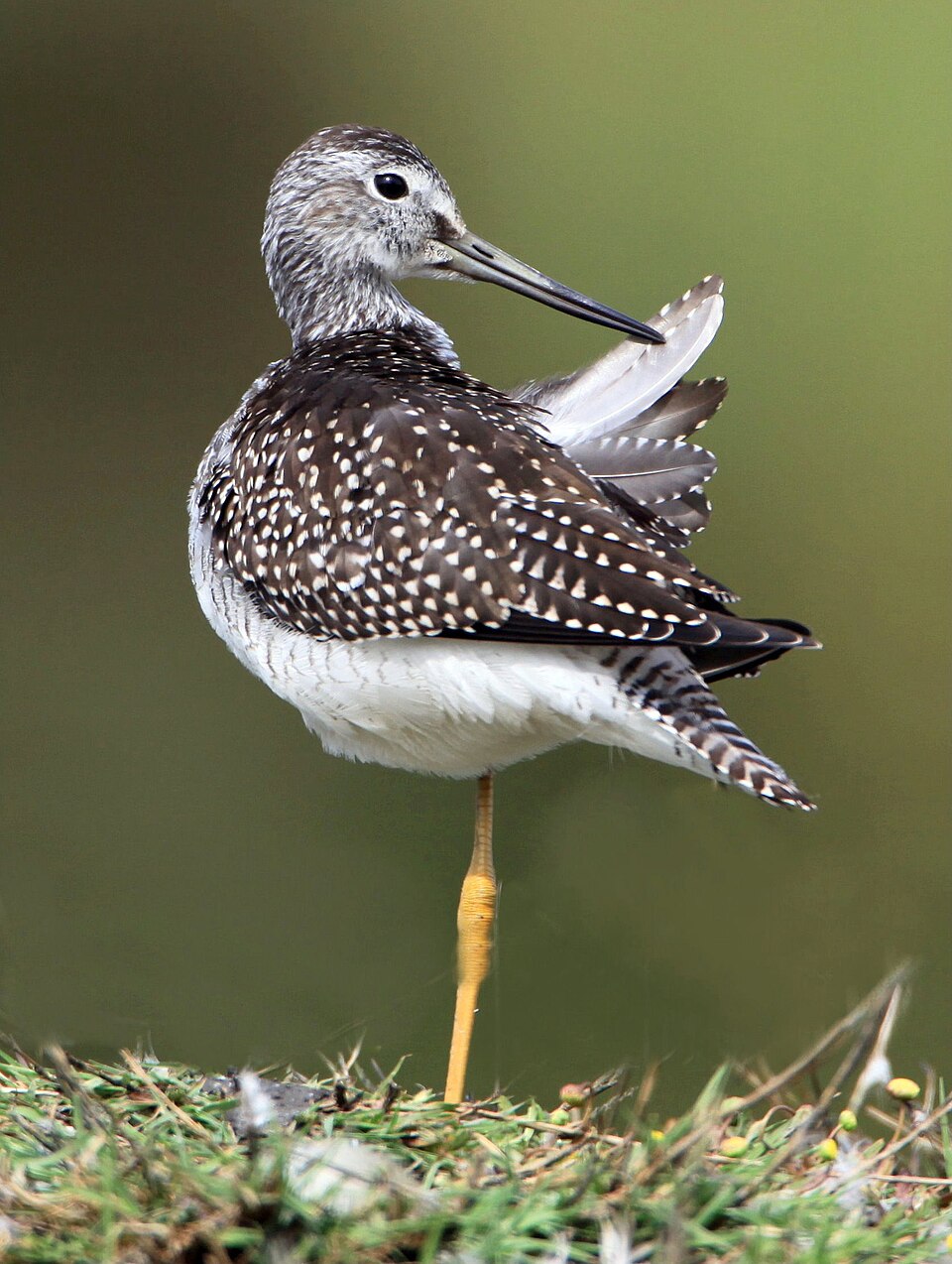 Archibebe Patigualdo Grande
En breve
La marca de campo más confiable entre el Archibebe Oscuro y el Archibebe Patigualdo Grande es el color de las patas: el Archibebe Oscuro tiene patas rojas (a veces oscureciéndose en plumaje de cría), mientras que el Archibebe Patigualdo Grande siempre muestra patas amarillas brillantes. En vuelo, el Archibebe Oscuro muestra un óvalo blanco distintivo en la espalda, mientras que el Archibebe Patigualdo Grande tiene una rabadilla blanca pero carece de este óvalo. Los juveniles de Archibebe Oscuro están finamente moteados en la parte superior y con barras en la parte inferior, contrastando con las marcas más gruesas en los juveniles de Archibebe Patigualdo Grande. Ambos son grandes, delgados Tringa, pero prestar atención a estos detalles—especialmente el color de las patas y el patrón de vuelo—los separará en la mayoría de las condiciones.
Consejos de identificación
- El color de las patas es la marca de campo más consistente: el Archibebe Oscuro tiene patas rojas (a veces oscureciéndose a gris en plumaje de cría), mientras que el Archibebe Patigualdo Grande siempre tiene patas amarillas brillantes. Verifica el color de las patas con buena luz—el barro o el agua pueden oscurecer esto, así que confirma con otras marcas si tienes dudas.
- Patrón de vuelo: el Archibebe Oscuro muestra un óvalo blanco distintivo en la espalda en vuelo (todas las edades), mientras que el Archibebe Patigualdo Grande muestra una rabadilla blanca pero carece del óvalo en la espalda. Busca esta marca cuando los pájaros se asusten o vuelen cerca.
- Partes superiores juveniles/inmaduras: los juveniles de Archibebe Oscuro están finamente moteados de blanco en la parte superior, con partes inferiores pálidas y finamente barradas. Los juveniles de Archibebe Patigualdo Grande son marrón grisáceo en la parte superior pero con un patrón de rayas más grueso y oscuro en el pecho y el cuello, y carecen del moteado fino.
- Plumaje de cría: el Archibebe Oscuro es casi completamente negro a gris oscuro con manchas blancas en la temporada de cría (las patas también se oscurecen), mientras que el Archibebe Patigualdo Grande nunca es negro—busca un patrón de rayas y manchas pesado y nítido en el pecho y la espalda, pero siempre con un vientre blanco y patas amarillas.
- Estructura del pico: ambos tienen picos largos y delgados, pero el pico del Archibebe Patigualdo Grande a menudo está ligeramente levantado y es más largo que la cabeza; el pico del Archibebe Oscuro es recto o ligeramente caído y también largo. La forma del pico es sutil y no siempre confiable a distancia.
- Estructura del cuerpo: ambos son delgados y de patas largas, pero el Archibebe Oscuro puede parecer ligeramente más elegante y menos robusto que el Archibebe Patigualdo Grande. Esto es subjetivo y se debe usar mejor con otras marcas.
- Patrón de las partes inferiores (no en cría): el Archibebe Oscuro es más pálido en general, con menos rayas gruesas en el pecho en comparación con el patrón de pecho oscuro y nítido del Archibebe Patigualdo Grande.
- Voz: si se escucha bien, el Archibebe Oscuro emite un silbido chirriante, similar al de una gaviota, mientras que el Archibebe Patigualdo Grande emite un silbido fuerte y claro de tres notas. Las llamadas de alarma también difieren, pero ambos pueden emitir notas agudas que son confusas a distancia.
- Hábitat y distribución: en Europa y Asia, se espera el Archibebe Oscuro; el Archibebe Patigualdo Grande es un vagabundo. En América del Norte, lo contrario es cierto. Usa la distribución solo como una pista de apoyo.
- Momento de la muda: los adultos de Archibebe Oscuro mudan completamente entre julio y octubre, con una muda corporal en primavera de marzo a mayo. Los juveniles tienen una muda parcial de agosto a febrero. El momento de la muda del Archibebe Patigualdo Grande no se detalla aquí, así que no lo uses como separador.
- Rabadilla blanca vs. óvalo blanco en la espalda: ambos muestran blanco en la parte trasera en vuelo, pero solo el Archibebe Oscuro tiene el óvalo en la espalda. El blanco del Archibebe Patigualdo Grande se limita a la rabadilla.
- Confusión con el Archibebe Patigualdo Chico: ambas especies pueden confundirse con el Archibebe Patigualdo Chico, pero solo el Archibebe Patigualdo Grande es muy similar en estructura y plumaje. El Archibebe Oscuro es más grande y estructuralmente diferente del Archibebe Patigualdo Chico.
- Diferencias sexuales: No hay un fuerte dimorfismo sexual en ninguna de las especies; todas las marcas se aplican a ambos sexos.
- Contexto y agrupamiento: ambos pueden ocurrir solos o en bandadas mixtas con otros limícolas. Usa la comparación directa si ambos están presentes.
- Trampas: Las patas embarradas, la mala luz o las vistas distantes pueden oscurecer el color de las patas. Confía en una combinación de patrón de vuelo, marcas en las partes inferiores y voz cuando el color de las patas no sea visible.
Tamaño
Ambas especies están entre los limícolas Tringa más grandes, y sus tamaños corporales se superponen considerablemente. El Archibebe Patigualdo Grande promedia un poco más pesado (170 g frente a 151.5 g para el Archibebe Oscuro [wikidata]), pero ambos son similares en longitud (29–31 cm para el Archibebe Oscuro, 29–40 cm para el Archibebe Patigualdo Grande [wikipedia]). En el campo, el tamaño solo no es un separador confiable, ya que ambos pueden parecer igualmente altos y delgados.
Plumaje
- Juveniles/inmaduras: los juveniles de Archibebe Oscuro son marrón grisáceo en la parte superior con un moteado blanco fino y tienen partes inferiores pálidas y finamente barradas. En contraste, los juveniles de Archibebe Patigualdo Grande son marrón grisáceo en la parte superior pero muestran un patrón de rayas más grueso y oscuro en el pecho y el cuello, y sus partes superiores carecen del moteado fino del Archibebe Oscuro.
- Adultos (no en cría): ambas especies son pálidas por debajo y marrón grisáceo por encima, pero el Archibebe Oscuro es generalmente más pálido en general, especialmente en invierno. El óvalo blanco en la espalda del Archibebe Oscuro es visible en vuelo en todos los plumajes, mientras que el Archibebe Patigualdo Grande muestra una rabadilla blanca pero no un óvalo en la espalda.
- Adultos (en cría): el Archibebe Oscuro es strikingmente negro a gris oscuro con manchas blancas en plumaje de cría, mientras que el Archibebe Patigualdo Grande nunca es negro—su plumaje de cría presenta un pecho y cuello con rayas gruesas y mucho negro en los hombros y la espalda, pero siempre con un vientre blanco y patas amarillas.
- Color de las patas: el Archibebe Oscuro tiene patas rojas (a veces gris oscuro en cría), el Archibebe Patigualdo Grande siempre tiene patas amarillas brillantes.
Comportamiento
Ambas especies forrajean en aguas poco profundas, a menudo wadeando activamente. El Archibebe Patigualdo Grande es conocido por agitar el agua con su pico mientras se alimenta. El Archibebe Oscuro puede parecer ligeramente más elegante y menos frenético en sus movimientos, pero las diferencias de comportamiento son sutiles y no siempre diagnósticas.
Hábitat
El Archibebe Oscuro cría en taiga pantanosa y pasa el invierno en Eurasia y África, mientras que el Archibebe Patigualdo Grande cría en humedales boreales de América del Norte y pasa el invierno más al sur en las Américas. En Europa, el Archibebe Oscuro es regular; el Archibebe Patigualdo Grande es un vagabundo raro. En América del Norte, lo contrario es cierto. Ambos ocurren en humedales poco profundos y márgenes fangosos, por lo que el hábitat no es un separador fuerte a menos que estés muy fuera del rango esperado de una especie.
Voz
El Archibebe Oscuro emite un silbido chirriante 'teu-it' y una alarma 'kyip-kyip-kyip.' El Archibebe Patigualdo Grande tiene un silbido de tres sílabas en vuelo que es mucho más fuerte, claro y áspero, con la tercera sílaba en un tono más bajo. Las llamadas son bastante diferentes si se escuchan bien, pero ambos pueden emitir notas agudas y claras que pueden confundir a distancia.
Archibebe Oscuro · Archibebe Patigualdo Grande · Mis aves difíciles