

taralhão-cinzento vs pale flycatcher
Muscicapa striata versus Agricola pallidus
Jogue um quiz com taralhão-cinzento e pale flycatcher
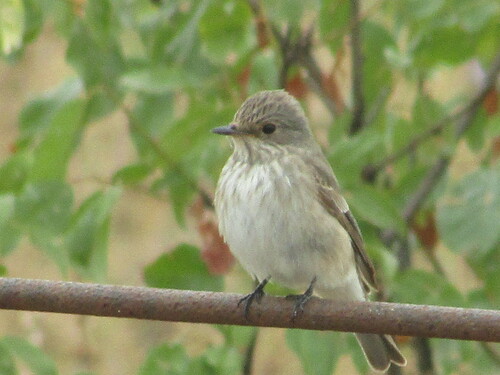 taralhão-cinzento
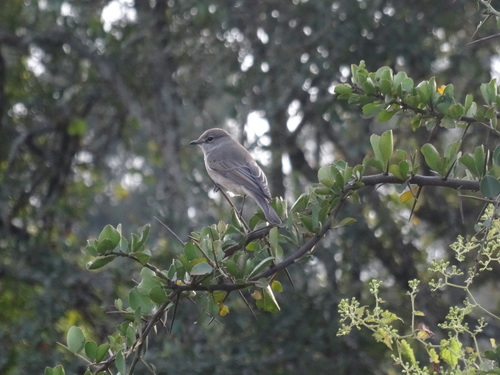 pale flycatcher
Em resumo
A marca de campo mais confiável entre o taralhão-cinzento e o pale flycatcher é a presença de listras ousadas na coroa e no peito do taralhão-cinzento, que estão ausentes no pale flycatcher. Os juvenis de taralhão-cinzento apresentam manchas ocre-buff acima e manchas escamosas abaixo, enquanto o pale flycatcher não possui essas manchas. Estruturalmente, o taralhão-cinzento é mais esguio e leve, com uma postura mais ereta, enquanto o pale flycatcher é mais pesado e robusto. Ambas as espécies podem parecer opacas e marrom-cinza, mas a atenção cuidadosa às listras, jizz e massa as separará em campo.
Dicas de identificação
- Listras na coroa e no peito: Procure por listras marrons ousadas na coroa e no peito—presentes em todas as idades do taralhão-cinzento, ausentes no pale flycatcher.
- Manchas juvenis: Os juvenis de taralhão-cinzento têm manchas ocre-buff acima e manchas marrons escamosas abaixo. Se você ver um juvenil manchado, não é um pale flycatcher.
- Tom geral da plumagem: O taralhão-cinzento é marrom-cinza acima com partes inferiores mais claras e asas e cauda com bordas pálidas. O pale flycatcher é mais uniformemente marrom-cinza pálido, sem forte contraste ou padrão.
- Padrão facial: O taralhão-cinzento frequentemente apresenta um rosto levemente listrado ou marcado, enquanto o pale flycatcher parece ter um rosto liso.
- Estrutura e postura: O taralhão-cinzento é esguio com uma cauda e asas longas, e geralmente se senta muito ereto. O pale flycatcher é mais robusto, mais pesado e menos ereto na postura.
- Tamanho e constituição: Se você perceber o peso, o taralhão-cinzento é mais leve (14–20 g) em comparação com o mais pesado pale flycatcher (23 g). Isso é sutil, mas pode ser julgado com experiência.
- Cor das pernas e do bico: Ambos têm pernas escuras e um bico pontudo de base larga, então isso não é um separador.
- Padrão das asas e da cauda: Ambas as espécies não têm barras ou painéis fortes nas asas, mas o taralhão-cinzento tem bordas pálidas nas asas e na cauda, que podem ser visíveis a curta distância.
- Jizz comportamental: Observe o uso repetido do mesmo poleiro pelo taralhão-cinzento e sua postura ereta. O pale flycatcher pode ser menos consistente em retornar ao mesmo poleiro e parece menos ereto.
- Habitat e distribuição: Na Europa ou na Ásia temperada, o pale flycatcher é extremamente improvável. Na África Subsaariana, especialmente fora do inverno do hemisfério norte, o taralhão-cinzento é raro ou ausente.
- Contexto sazonal: Se observado na África durante o inverno do hemisfério norte, verifique o taralhão-cinzento entre os flycatchers locais, mas confie nas listras para confirmação.
- Vocalização: Se você ouvir um 'tssssseeeeeppppp' fino e descendente, isso apoia o taralhão-cinzento, mas silêncio ou chamadas desconhecidas não são diagnósticas.
- Diferenças sexuais: Ambas as espécies são sexualmente monomórficas, então o sexo não é um separador.
- Variação de subespécies: Subespécies de taralhão-cinzento mais pálidas podem se aproximar do pale flycatcher em tom, mas retêm algumas marcas na cabeça e no peito.
- Armadilhas: Ambas as espécies são opacas e podem parecer semelhantes à distância ou em luz fraca; sempre procure primeiro por listras e manchas juvenis, depois avalie jizz e tamanho.
Tamanho
O taralhão-cinzento é menor e mais esguio, pesando tipicamente 14–20 g e medindo cerca de 14,5 cm de comprimento [wikipedia]. Em contraste, o pale flycatcher é visivelmente mais pesado, pesando 23 g [wikidata], e suas proporções são mais robustas no geral. Essa diferença é sutil em campo, mas pode ser aparente quando ambas as espécies são vistas lado a lado ou ao julgar a constituição e o peso do pássaro em um poleiro.
Plumagem
- Juvenis: Os juvenis de taralhão-cinzento são distintamente marcados com manchas ocre-buff nas partes superiores e manchas marrons escamosas nas partes inferiores. Essas manchas não estão presentes nos juvenis de pale flycatcher, que são geralmente lisos e carecem de padrões fortes.
- Adultos: Os adultos de taralhão-cinzento têm partes superiores marrom-cinza, partes inferiores off-white e, mais importante, listras marrons ousadas na coroa, garganta e peito. Suas asas e cauda têm bordas com margens finas pálidas. Os adultos de pale flycatcher são muito mais simples, sem a coroa e o peito listrados, e são, em geral, um marrom-cinza pálido mais uniforme acima e mais claro abaixo. Ambas as espécies têm pernas escuras e um bico pontudo de base larga, mas apenas o taralhão-cinzento apresenta as listras diagnósticas.
- Subespécies: Algumas subespécies de taralhão-cinzento (por exemplo, M. s. tyrrhenica) são mais pálidas e quentes acima, mas ainda mostram algumas marcas na cabeça e no peito, ao contrário do sempre liso pale flycatcher.
Comportamento
O taralhão-cinzento geralmente caça de poleiros conspícuos com uma postura ereta distinta, fazendo frequentes investidas após insetos voadores e frequentemente retornando ao mesmo poleiro. Esse jizz esguio e ereto é característico. O pale flycatcher, embora também seja um flycatcher que caça de poleiro, é mais robusto e pode não parecer tão ereto ou esguio. Ambas as espécies são insetívoras aéreas, mas o uso repetido do mesmo poleiro pelo taralhão-cinzento e sua postura são mais pronunciados.
Habitat
O taralhão-cinzento se reproduz por toda a Europa e o Palearctico, favorecendo florestas abertas, parques e jardins, e inverna na África e no sudoeste da Ásia. O pale flycatcher é nativo da África Subsaariana e não é encontrado na Europa ou na Ásia temperada. Assim, a distribuição e o habitat podem ser uma pista forte: taralhão-cinzento em zonas temperadas, pale flycatcher em savanas ou florestas africanas. A sobreposição é possível apenas na África durante o inverno do hemisfério norte.
Voz
O canto do taralhão-cinzento é um 'tssssseeeeeppppp' fino, prolongado, suave e agudo, levemente descendente. Não há descrição vocal fornecida para o pale flycatcher, então a voz não é um separador confiável, a menos que o canto do taralhão-cinzento seja ouvido.