

Pigliamosche/Pigliamosche tirrenico vs Pale Flycatcher
Muscicapa striata contro Agricola pallidus
Fai un quiz con Pigliamosche/Pigliamosche tirrenico e Pale Flycatcher
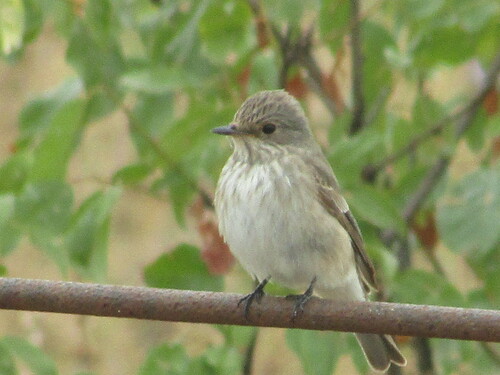 Pigliamosche/Pigliamosche tirrenico
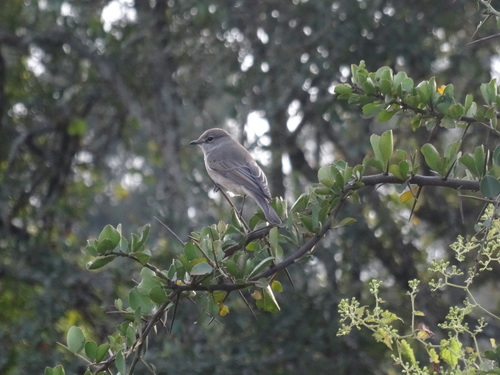 Pale Flycatcher
In breve
Il segno di campo più affidabile tra il Pigliamosche tirrenico e il Pale Flycatcher è la presenza di striature bold sulla corona e sul petto nel Pigliamosche tirrenico, che sono assenti nel Pale Flycatcher. I giovani Pigliamosche tirrenico mostrano macchie ocra-buff sopra e macchie squamose sotto, mentre il Pale Flycatcher non presenta tali macchie. Strutturalmente, il Pigliamosche tirrenico è più snello e leggero, con una postura più eretta, mentre il Pale Flycatcher è più pesante e massiccio. Entrambe le specie possono apparire opache e grigio-marroni, ma un'attenta attenzione alle striature, al jizz e alla massa li separerà sul campo.
Consigli di identificazione
- Crown and breast streaking: Cerca striature marroni bold sulla corona e sul petto—presenti in tutte le età del Pigliamosche tirrenico, assenti nel Pale Flycatcher.
- Juvenile spotting: I giovani Pigliamosche tirrenico hanno macchie ocra-buff sopra e macchie marroni squamose sotto. Se vedi un giovane macchiato, non è un Pale Flycatcher.
- Overall plumage tone: Il Pigliamosche tirrenico è grigio-marrone sopra con parti inferiori più chiare e ali e coda con margini chiari. Il Pale Flycatcher è più uniformemente grigio-marrone chiaro, privo di forte contrasto o motivo.
- Facial pattern: Il Pigliamosche tirrenico mostra spesso un volto leggermente striato o marcato, mentre il Pale Flycatcher appare con un volto semplice.
- Structure and posture: Il Pigliamosche tirrenico è snello con una lunga coda e ali, e di solito si siede molto eretto. Il Pale Flycatcher è più massiccio, più pesante e meno eretto nella postura.
- Size and build: Se hai una sensazione di peso, il Pigliamosche tirrenico è più leggero (14–20 g) rispetto al più pesante Pale Flycatcher (23 g). Questo è sottile ma può essere giudicato con esperienza.
- Leg and bill color: Entrambi hanno zampe scure e un becco appuntito a base larga, quindi questo non è un separatore.
- Wing and tail pattern: Entrambe le specie mancano di forti barre o pannelli sulle ali, ma il Pigliamosche tirrenico ha margini chiari sulle ali e sulla coda, che possono essere visibili a distanza ravvicinata.
- Behavioral jizz: Fai attenzione all'uso ripetuto del Pigliamosche tirrenico dello stesso posatoio e alla sua postura eretta. Il Pale Flycatcher potrebbe essere meno coerente nel tornare allo stesso posatoio e appare meno eretto.
- Habitat and range: In Europa o in Asia temperata, il Pale Flycatcher è estremamente improbabile. In Africa subsahariana, specialmente al di fuori dell'inverno settentrionale, il Pigliamosche tirrenico è raro o assente.
- Seasonal context: Se osservato in Africa durante l'inverno settentrionale, controlla per il Pigliamosche tirrenico tra i pigliamosche locali, ma fai affidamento sulle striature per la conferma.
- Vocalization: Se senti un 'tssssseeeeeppppp' sottile e discendente, supporta il Pigliamosche tirrenico, ma il silenzio o i richiami sconosciuti non sono diagnostici.
- Sex differences: Entrambe le specie sono sessualmente monomorfiche, quindi il sesso non è un separatore.
- Subspecies variation: Le sottospecie di Pigliamosche tirrenico più chiare possono avvicinarsi al Pale Flycatcher nel tono ma mantengono alcune marcature sulla testa e sul petto.
- Pitfalls: Entrambe le specie sono opache e possono apparire simili a distanza o in scarsa luce; cerca sempre prima le striature e le macchie giovanili, poi valuta il jizz e la dimensione.
Taglia
Il Pigliamosche tirrenico è più piccolo e snello, tipicamente pesando 14–20 g e misurando circa 14,5 cm di lunghezza [wikipedia]. Al contrario, il Pale Flycatcher è notevolmente più pesante a 23 g [wikidata], e le sue proporzioni sono complessivamente più massicce. Questa differenza è sottile sul campo ma può essere evidente quando entrambe le specie sono viste fianco a fianco o quando si giudica la costruzione e il peso dell'uccello su un posatoio.
Piumaggio
- Juveniles: I giovani Pigliamosche tirrenico sono distintamente marcati con macchie ocra-buff sulle parti superiori e macchie marroni squamose sulle parti inferiori. Questa macchiettatura non è presente nei giovani Pale Flycatcher, che sono generalmente semplici e privi di forti motivi.
- Adults: Gli adulti Pigliamosche tirrenico hanno parti superiori grigio-marroni, parti inferiori bianco sporco e, soprattutto, striature bold marroni sulla corona, sulla gola e sul petto. Le loro ali e coda sono bordate con margini chiari. Gli adulti Pale Flycatcher sono molto più semplici, privi della corona e del petto striati, e sono complessivamente di un grigio-marrone chiaro più uniforme sopra e più chiaro sotto. Entrambe le specie hanno zampe scure e un becco appuntito a base larga, ma solo il Pigliamosche tirrenico mostra le striature diagnostiche.
- Subspecies: Alcune sottospecie di Pigliamosche tirrenico (ad es., M. s. tyrrhenica) sono più chiare e più calde sopra, ma mostrano ancora alcune marcature sulla testa e sul petto, a differenza del sempre semplice Pale Flycatcher.
Comportamento
Il Pigliamosche tirrenico di solito caccia da posatoi conspicui con una postura eretta distintiva, facendo frequenti attacchi dopo insetti volanti e tornando spesso allo stesso posatoio. Questo jizz eretto e snello è caratteristico. Il Pale Flycatcher, pur essendo anch'esso un pigliamosche da posatoio, è più massiccio e potrebbe non apparire così eretto o snello. Entrambe le specie sono insettivori aerei, ma l'uso ripetuto del Pigliamosche tirrenico dello stesso posatoio e la sua postura sono più pronunciati.
Habitat
Il Pigliamosche tirrenico nidifica in tutta Europa e nel Paleartico, preferendo boschi aperti, parchi e giardini, e trascorre l'inverno in Africa e nell'Asia sud-occidentale. Il Pale Flycatcher è nativo dell'Africa subsahariana e non si trova in Europa o in Asia temperata. Pertanto, l'areale e l'habitat possono essere un forte indizio: Pigliamosche tirrenico nelle zone temperate, Pale Flycatcher nella savana o nel bosco africano. L'overlap è possibile solo in Africa durante l'inverno settentrionale.
Voce
Il richiamo del Pigliamosche tirrenico è un 'tssssseeeeeppppp' sottile, prolungato, morbido e acuto, leggermente discendente. Non è fornita alcuna descrizione vocale per il Pale Flycatcher, quindi la voce non è un separatore affidabile a meno che non si senta il richiamo del Pigliamosche tirrenico.
Pigliamosche/Pigliamosche tirrenico · Pale Flycatcher · I miei uccelli difficili