

Motmot

ムナフヒタキ 対 ウスチャヒタキ

Muscicapa striata 対 Agricola pallidus

ムナフヒタキとウスチャヒタキのクイズ
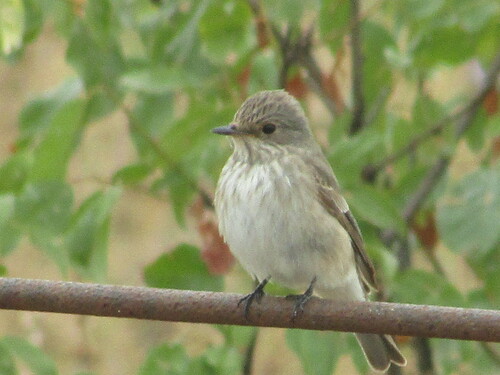
ムナフヒタキ (Muscicapa striata) ムナフヒタキ
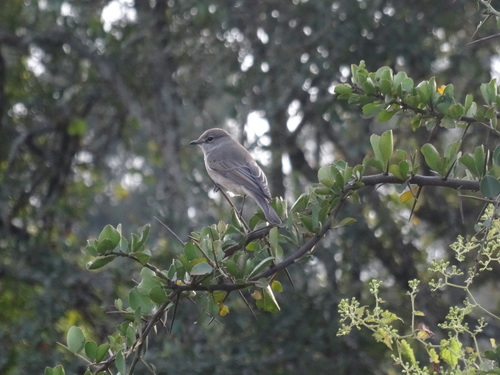
ウスチャヒタキ (Agricola pallidus) ウスチャヒタキ

メディア

読み込み中…

要点

ムナフヒタキとウスチャヒタキの最も信頼できるフィールドマークは、ムナフヒタキの頭部と胸部に存在する太いストライプであり、ウスチャヒタキにはそれがありません。幼鳥のムナフヒタキは上部にオーカー・バフの斑点、下部に鱗状の斑点を示しますが、ウスチャヒタキにはそのような斑点はありません。構造的に、ムナフヒタキはスリムで軽量で、より直立した姿勢を持っていますが、ウスチャヒタキはより重く、ずんぐりしています。両種は地味で灰褐色に見えることがありますが、ストライピング、ジズ、質量に注意を払うことで、フィールドで区別できます。

識別のコツ

  1. Crown and breast streaking: 頭部と胸部に太い茶色のストライプを探してください—すべての年齢のムナフヒタキに存在し、ウスチャヒタキにはありません。
  2. Juvenile spotting: 幼鳥のムナフヒタキは上部にオーカー・バフの斑点、下部に鱗状の茶色の斑点を持っています。斑点のある幼鳥を見たら、それはウスチャヒタキではありません。
  3. Overall plumage tone: ムナフヒタキは上部が灰褐色で、下部がより淡い色合い、翼と尾が淡い縁取りを持っています。ウスチャヒタキはより均一に淡い灰褐色で、強いコントラストやパターンがありません。
  4. Facial pattern: ムナフヒタキはしばしばわずかにストライプのある顔を示しますが、ウスチャヒタキは平坦な顔に見えます。
  5. Structure and posture: ムナフヒタキはスリムで長い尾と翼を持ち、通常は非常に直立して座ります。ウスチャヒタキはずんぐりしており、重く、姿勢があまり直立していません。
  6. Size and build: 重さを感じる場合、ムナフヒタキは軽い(14–20 g)ですが、ウスチャヒタキは重い(23 g)です。これは微妙ですが、経験で判断できます。
  7. Leg and bill color: 両種ともに暗い脚と広い基部の尖ったくちばしを持っているため、これは区別要因ではありません。
  8. Wing and tail pattern: 両種ともに強い翼のバーやパネルがありませんが、ムナフヒタキは翼と尾に淡い縁取りがあり、近距離で見えることがあります。
  9. Behavioral jizz: ムナフヒタキの同じ止まり木の繰り返し使用とその直立した姿勢に注意してください。ウスチャヒタキは同じ止まり木に戻るのが一貫していない場合があり、あまり直立して見えません。
  10. Habitat and range: ヨーロッパや温帯アジアでは、ウスチャヒタキは非常にあり得ません。サハラ以南のアフリカでは、特に北部の冬以外では、ムナフヒタキは稀または存在しません。
  11. Seasonal context: 北部の冬にアフリカで観察された場合、地元のヒタキの中でムナフヒタキを探してくださいが、確認にはストライピングに頼ってください。
  12. Vocalization: 薄く、下降する「tssssseeeeeppppp」を聞いた場合、それはムナフヒタキを支持しますが、沈黙や不明な呼び声は診断的ではありません。
  13. Sex differences: 両種ともに性別が同形であるため、性別は区別要因ではありません。
  14. Subspecies variation: より淡いムナフヒタキの亜種は、トーンでウスチャヒタキに近づくかもしれませんが、頭部と胸部のマーキングを保持します。
  15. Pitfalls: 両種は地味で、距離や悪い光の中で似て見えることがあります。常に最初にストライピングと幼鳥の斑点を探し、その後ジズとサイズを評価してください。

大きさ

ムナフヒタキは小さく、スリムで、通常は14–20 gの重さで、長さは約14.5 cmです [wikipedia]。対照的に、ウスチャヒタキは23 gで明らかに重く [wikidata]、全体的にずんぐりしたプロポーションを持っています。この違いはフィールドでは微妙ですが、両種が並んで見られるときや、止まり木での鳥の体型と重さを判断するときには明らかになります。

羽色

行動

ムナフヒタキは通常、目立つ止まり木から狩りを行い、特徴的な直立した姿勢を持ち、飛ぶ昆虫を追いかけて頻繁に飛び出し、同じ止まり木に戻ることが多いです。この直立したスリムなジズは特徴的です。ウスチャヒタキも止まり木から狩りを行いますが、ずんぐりしており、あまり直立しているようには見えません。両種ともに空中の昆虫食ですが、ムナフヒタキの同じ止まり木の繰り返し使用とその姿勢はより顕著です。

生息環境

ムナフヒタキはヨーロッパとユーラシアで繁殖し、開けた森林、公園、庭を好み、アフリカと南西アジアで冬を越します。ウスチャヒタキはサハラ以南のアフリカに生息し、ヨーロッパや温帯アジアには見られません。したがって、範囲と生息地は強い手がかりとなります:温帯地域のムナフヒタキ、アフリカのサバンナや森林のウスチャヒタキ。重複は北部の冬にアフリカでのみ可能です。

声

ムナフヒタキの鳴き声は薄く、引き伸ばされた、柔らかく、高音の「tssssseeeeeppppp」で、わずかに下降します。ウスチャヒタキの鳴き声に関する記述は提供されていないため、声は信頼できる区別要因ではありませんが、ムナフヒタキの鳴き声が聞こえた場合は別です。

より良い説明を送る

比較と同じ項目を使ってください。文章はすぐに公開されます。

The most reliable field mark between Spotted Flycatcher and Pale Flycatcher is the presence of bold streaks on the crown and breast in Spotted Flycatcher, which are absent in Pale Flycatcher. Juvenile Spotted Flycatchers show ochre-buff spots above and scaly spots below, while Pale Flycatcher lacks such spotting. Structurally, Spotted Flycatcher is slimmer and lighter, with a more upright posture, whereas Pale Flycatcher is heavier and bulkier. Both species can appear drab and grey-brown, but careful attention to streaking, jizz, and mass will separate them in the field.

  1. Crown and breast streaking: Look for bold brown streaks on the crown and breast—present in all ages of Spotted Flycatcher, absent in Pale Flycatcher.
  2. Juvenile spotting: Juvenile Spotted Flycatchers have ochre-buff spots above and scaly brown spots below. If you see a spotted juvenile, it is not Pale Flycatcher.
  3. Overall plumage tone: Spotted Flycatcher is grey-brown above with paler underparts and pale-edged wings and tail. Pale Flycatcher is more uniformly pale grey-brown, lacking strong contrast or pattern.
  4. Facial pattern: Spotted Flycatcher often shows a slightly streaked or marked face, while Pale Flycatcher appears plain-faced.
  5. Structure and posture: Spotted Flycatcher is slim with a long tail and wings, and typically sits very upright. Pale Flycatcher is bulkier, heavier, and less upright in posture.
  6. Size and build: If you get a sense of weight, Spotted Flycatcher is lighter (14–20 g) compared to the heavier Pale Flycatcher (23 g). This is subtle but can be judged with experience.
  7. Leg and bill color: Both have dark legs and a broad-based, pointed bill, so this is not a separator.
  8. Wing and tail pattern: Both species lack strong wing bars or panels, but Spotted Flycatcher has pale edges to the wings and tail, which can be visible at close range.
  9. Behavioral jizz: Watch for Spotted Flycatcher's repeated use of the same perch and its upright stance. Pale Flycatcher may be less consistent in returning to the same perch and appears less upright.
  10. Habitat and range: In Europe or temperate Asia, Pale Flycatcher is extremely unlikely. In Sub-Saharan Africa, especially outside the northern winter, Spotted Flycatcher is rare or absent.
  11. Seasonal context: If observed in Africa during the northern winter, check for Spotted Flycatcher among local flycatchers, but rely on streaking for confirmation.
  12. Vocalization: If you hear a thin, descending 'tssssseeeeeppppp', it supports Spotted Flycatcher, but silence or unfamiliar calls are not diagnostic.
  13. Sex differences: Both species are sexually monomorphic, so sex is not a separator.
  14. Subspecies variation: Paler Spotted Flycatcher subspecies may approach Pale Flycatcher in tone but retain some head and breast markings.
  15. Pitfalls: Both species are drab and can appear similar at a distance or in poor light; always look for streaking and juvenile spotting first, then assess jizz and size.

Spotted Flycatcher is smaller and slimmer, typically weighing 14–20 g and measuring about 14.5 cm in length [wikipedia]. In contrast, Pale Flycatcher is noticeably heavier at 23 g [wikidata], and its proportions are bulkier overall. This difference is subtle in the field but can be apparent when both species are seen side by side or when judging the bird's build and weight on a perch.

  • Juveniles: Spotted Flycatcher juveniles are distinctly marked with ochre-buff spots on the upperparts and scaly brown spots on the underparts. This spotting is not present in Pale Flycatcher juveniles, which are generally plain and lack strong patterning.
  • Adults: Adult Spotted Flycatchers have grey-brown upperparts, off-white underparts, and, most importantly, bold brown streaks on the crown, throat, and breast. Their wings and tail are edged with pale thin margins. Pale Flycatcher adults are much plainer, lacking the streaked crown and breast, and are overall a more uniform pale grey-brown above and paler below. Both species have dark legs and a pointed, broad-based bill, but only Spotted Flycatcher shows the diagnostic streaking.
  • Subspecies: Some Spotted Flycatcher subspecies (e.g., M. s. tyrrhenica) are paler and warmer above, but still show some head and breast markings, unlike the always plain-faced Pale Flycatcher.

Spotted Flycatcher typically hunts from conspicuous perches with a distinctive upright posture, making frequent sallies after flying insects and often returning to the same perch. This upright, slim jizz is characteristic. Pale Flycatcher, while also a perch-hunting flycatcher, is bulkier and may not appear as upright or slim. Both species are aerial insectivores, but the Spotted Flycatcher's repeated use of the same perch and its posture are more pronounced.

Spotted Flycatcher breeds across Europe and the Palearctic, favoring open woodland, parks, and gardens, and winters in Africa and southwestern Asia. Pale Flycatcher is native to Sub-Saharan Africa and is not found in Europe or temperate Asia. Thus, range and habitat can be a strong clue: Spotted Flycatcher in temperate zones, Pale Flycatcher in African savanna or woodland. Overlap is possible only in Africa during the northern winter.

Spotted Flycatcher's call is a thin, drawn-out, soft, high-pitched 'tssssseeeeeppppp', slightly descending. There is no vocal description provided for Pale Flycatcher, so voice is not a reliable separator unless Spotted Flycatcher's call is heard.

変更を破棄しますか?

保存していない編集があります。今離れると失われます。

ムナフヒタキ · ウスチャヒタキ · 苦手な鳥