

bispo-vermelho vs yellow bishop
Euplectes orix versus Euplectes capensis
Jogue um quiz com bispo-vermelho e yellow bishop
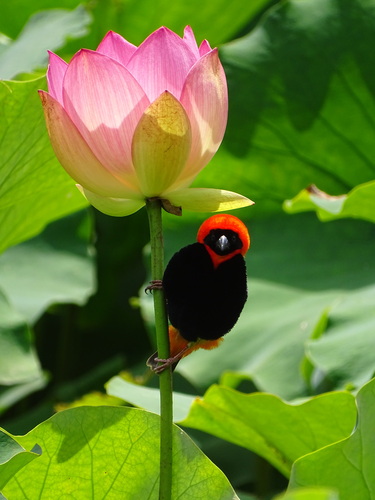 bispo-vermelho
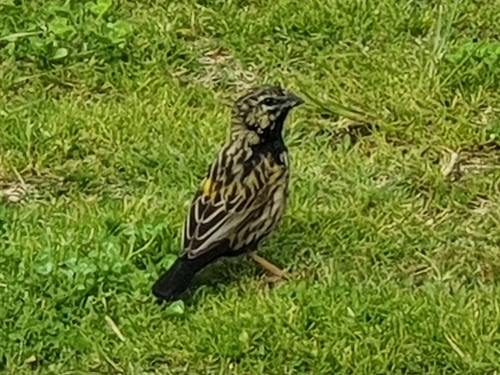 yellow bishop
Em resumo
A marca de campo mais confiável entre o bispo-vermelho e o yellow bishop é a presença de manchas amarelas brilhantes na parte inferior das costas, rabo e ombros do yellow bishop, que nunca são mostradas pelo bispo-vermelho. Os machos em reprodução do bispo-vermelho são strikingly vermelhos e pretos, enquanto os yellow bishops são principalmente pretos com destaques amarelos. As aves não reprodutoras e fêmeas de ambas as espécies podem ser confusas, apresentando um marrom riscado, mas as manchas amarelas do rabo e dos ombros do yellow bishop persistem mesmo na plumagem não reprodutiva, fornecendo um ponto de separação crucial. O tamanho e a estrutura também ajudam: o yellow bishop é visivelmente maior e mais robusto, com uma crista curta e um bico mais grosso, enquanto o bispo-vermelho é menor e mais compacto.
Dicas de identificação
- Procure por manchas amarelas: O yellow bishop de qualquer idade ou sexo (exceto possivelmente os juvenis mais jovens) mostra amarelo na parte inferior das costas, rabo e ombros. O bispo-vermelho nunca mostra amarelo em lugar algum.
- Vermelho vs amarelo/preto: O macho em reprodução do bispo-vermelho é vermelho brilhante e preto, com vermelho na cabeça, partes superiores e partes inferiores, e preto no rosto, garganta e barriga. O macho em reprodução do yellow bishop é preto com manchas amarelas, nunca vermelho.
- Tamanho e construção: O yellow bishop é visivelmente maior e mais robusto (cerca de 34g, 15 cm), com um bico mais grosso, muitas vezes maior, e uma crista curta. O bispo-vermelho é menor (cerca de 23g, 10–11 cm), mais compacto e não tem crista.
- Cor e forma do bico: Ambos têm bicos cônicos grossos, mas o bico do yellow bishop pode ser especialmente grande e varia entre as raças; na plumagem não reprodutiva, torna-se pálido. O bico do bispo-vermelho é grosso, mas menor e não apresenta tanta variação.
- Confusão entre não-reprodutores e fêmeas: As fêmeas de ambas as espécies e os machos não reprodutores são marrons riscadados acima e mais claros abaixo. No yellow bishop, os machos não reprodutores mantêm manchas amarelas, enquanto as fêmeas não. As fêmeas e os machos não reprodutores do bispo-vermelho nunca mostram amarelo.
- Desafio juvenil: Os juvenis e fêmeas do yellow bishop são notoriamente difíceis de separar de outros bispos e viúvas, mas as manchas amarelas no rabo/ombros (se presentes) são diagnósticas. Os juvenis do bispo-vermelho são marrons riscadados e não têm amarelo.
- Asas e cauda: Ambos têm asas e caudas marrons, mas as asas do yellow bishop têm bordas marrons e a cauda é relativamente curta. As asas e a cauda do bispo-vermelho são simplesmente marrons, sem amarelo ou marcas especiais.
- Crista: Os machos em reprodução do yellow bishop têm uma crista curta, que o bispo-vermelho não tem. Isso pode ser sutil, mas é útil em vistas próximas.
- Comportamento em bandos: Na estação não reprodutiva, o yellow bishop frequentemente se junta a bandos mistos com outras espécies de Euplectes. O bispo-vermelho também é social, mas não é tão especificamente notado por se misturar em bandos.
- Dicas de habitat: O bispo-vermelho prefere áreas úmidas e pastagens, enquanto o yellow bishop é mais provável de ser encontrado em habitats de montanha, menos áridos ou fynbos.
- Vistas de voo: Em voo, procure por flashes de amarelo no rabo e ombros do yellow bishop; o bispo-vermelho não mostrará isso.
- Contexto: Se você ver um bispo vermelho e preto no sul da África, é um bispo-vermelho. Se o pássaro for preto e amarelo, é um yellow bishop.
- Contexto sazonal: Durante a estação de reprodução, os machos são fáceis de separar pela cor. Na estação não reprodutiva, confie nas manchas amarelas para o yellow bishop e no tamanho menor geral para o bispo-vermelho.
- Armadilhas: Não confie apenas na plumagem marron riscada para identificação; sempre verifique as manchas amarelas e o tamanho/estrutura.
- Voz: Chamadas não são diagnósticas entre essas duas espécies com base nas notas disponíveis.
Tamanho
O yellow bishop é substancialmente mais pesado (cerca de 34g) e mais longo (15 cm) do que o bispo-vermelho (cerca de 23g, 10–11 cm). Essa diferença é frequentemente visível em campo, com o yellow bishop parecendo mais robusto e forte, enquanto o bispo-vermelho parece menor e mais delicado. O tamanho do bico também é mais variável e geralmente maior no yellow bishop, especialmente em algumas raças, em comparação com o bico consistentemente grosso, mas menor do bispo-vermelho.
Plumagem
- Juvenis e aves não reprodutoras: Ambas as espécies são marrons riscadados e podem ser muito semelhantes, mas o yellow bishop (todas as idades e sexos) mostra amarelo na parte inferior das costas, rabo e ombros, que o bispo-vermelho nunca faz. Esse amarelo é a marca mais confiável para todas, exceto os juvenis mais jovens.
- Machos em reprodução: Os machos do bispo-vermelho são vermelhos vívidos com um rosto, garganta e barriga pretos, e asas/cauda marrons. Os machos do yellow bishop são pretos com manchas amarelas brilhantes na parte inferior das costas, rabo e ombros, e asas com bordas marrons. O bispo-vermelho nunca mostra amarelo, e o yellow bishop nunca mostra vermelho extenso.
- Fêmeas: Ambas são marrons riscadadas e mais claras abaixo, mas as fêmeas do yellow bishop não têm as manchas amarelas vistas nos machos, tornando-as especialmente complicadas. No entanto, as fêmeas do bispo-vermelho são menores e não têm amarelo.
- Machos não reprodutores: Ambos se parecem com as fêmeas, mas os machos do yellow bishop mantêm manchas amarelas, enquanto os machos do bispo-vermelho não.
Comportamento
O yellow bishop é frequentemente solitário ou em pares durante a estação de reprodução, mas se torna gregário e forma bandos mistos com outras espécies de Euplectes na estação não reprodutiva. O bispo-vermelho também é social, mas as notas não especificam o comportamento de bandos tão claramente. Ambas as espécies se alimentam de sementes e insetos, mas o yellow bishop é notado por se juntar a bandos de espécies mistas fora da estação de reprodução.
Habitat
O bispo-vermelho é comum em áreas úmidas e pastagens ao sul do Equador, enquanto o yellow bishop prefere habitats vegetados menos áridos, como fynbos, pastagens úmidas e vales cobertos de samambaia, frequentemente em altitudes mais elevadas do nível do mar até as Montanhas Etíopes. A sobreposição é possível em pastagens úmidas, mas o yellow bishop é mais provável de ser encontrado em áreas montanhosas ou de montanha e zonas menos áridas.
Voz
O bispo-vermelho tem várias chamadas de chilrear, uma chamada nasal de contato e uma canção zumbidora. Nenhuma vocalização específica é descrita para o yellow bishop nas notas, portanto, as chamadas não são uma marca de campo confiável para separação.