

Southern Red Bishop vs Yellow Bishop
Euplectes orix contro Euplectes capensis
Fai un quiz con Southern Red Bishop e Yellow Bishop
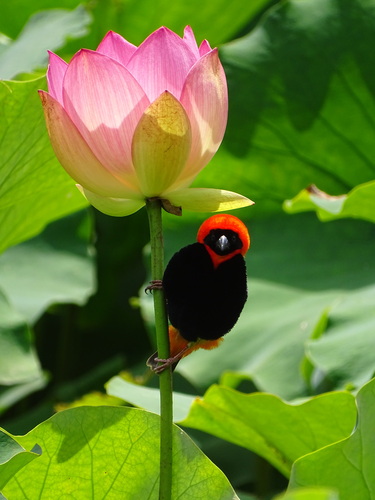 Southern Red Bishop
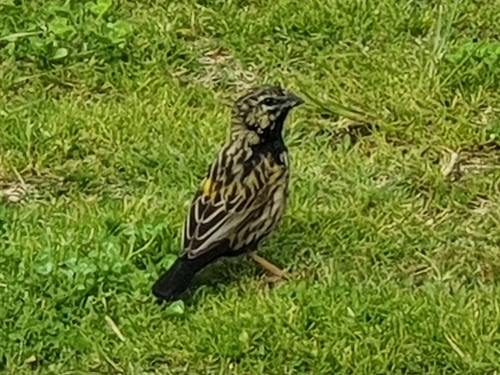 Yellow Bishop
In breve
Il segno di campo più affidabile tra il Southern Red Bishop e il Yellow Bishop è la presenza di macchie gialle brillanti sulla parte bassa della schiena, sul coda e sulle spalle del Yellow Bishop, che non sono mai presenti nel Southern Red Bishop. I maschi in riproduzione del Southern Red Bishop sono di un rosso e nero straordinario, mentre i Yellow Bishops sono per lo più neri con riflessi gialli. Gli uccelli non in riproduzione e le femmine di entrambe le specie possono essere confusamente marroni striati, ma le macchie gialle sulla coda e sulle spalle del Yellow Bishop persistono anche nel piumaggio non in riproduzione, fornendo un punto di separazione cruciale. Anche la dimensione e la struttura aiutano: il Yellow Bishop è notevolmente più grande e massiccio, con una cresta corta e un becco più robusto, mentre il Southern Red Bishop è più piccolo e più compatto.
Consigli di identificazione
- Look for yellow patches: Il Yellow Bishop di qualsiasi età o sesso (eccetto forse i più giovani) mostra giallo sulla parte bassa della schiena, sul coda e sulle spalle. Il Southern Red Bishop non mostra mai giallo.
- Red vs yellow/black: Il maschio in riproduzione del Southern Red Bishop è di un rosso brillante e nero, con rosso sulla testa, sulle parti superiori e inferiori, e nero sul viso, sulla gola e sul ventre. Il maschio in riproduzione del Yellow Bishop è nero con macchie gialle, mai rosso.
- Size and build: Il Yellow Bishop è notevolmente più grande e massiccio (circa 34g, 15 cm), con un becco più spesso e spesso più grande, e una cresta corta. Il Southern Red Bishop è più piccolo (circa 23g, 10–11 cm), più compatto e privo di cresta.
- Bill color and shape: Entrambi hanno becchi conici spessi, ma il becco del Yellow Bishop può essere particolarmente grande e varia tra le razze; nel piumaggio non in riproduzione, diventa pallido. Il becco del Southern Red Bishop è spesso ma più piccolo e non mostra molta variazione.
- Non-breeding and female confusion: Le femmine e i maschi non in riproduzione di entrambe le specie sono marroni striati sopra e più chiari sotto. Nel Yellow Bishop, i maschi non in riproduzione mantengono le macchie gialle, mentre le femmine no. Le femmine e i maschi non in riproduzione del Southern Red Bishop non mostrano mai giallo.
- Juvenile challenge: I giovani e le femmine di Yellow Bishop sono notoriamente difficili da separare da altri bishops e widowbirds, ma le macchie gialle sulla coda/sulle spalle (se presenti) sono diagnostiche. I giovani del Southern Red Bishop sono marroni striati e mancano di giallo.
- Wing and tail: Entrambi hanno ali e code marroni, ma le ali del Yellow Bishop hanno bordi marroni e la coda è relativamente corta. Le ali e la coda del Southern Red Bishop sono semplicemente marroni, senza giallo o segni speciali.
- Crest: I maschi in riproduzione del Yellow Bishop hanno una cresta corta, che il Southern Red Bishop non ha. Questo può essere sottile ma è utile in viste ravvicinate.
- Behavior in flocks: Nella stagione non riproduttiva, il Yellow Bishop spesso si unisce a stormi misti con altre specie di Euplectes. Il Southern Red Bishop è anche sociale ma meno specificamente noto per il comportamento di stormo misto.
- Habitat hints: Il Southern Red Bishop preferisce le zone umide e le praterie, mentre il Yellow Bishop è più probabile trovarlo in habitat montani, meno aridi o fynbos.
- Flight views: In volo, cerca lampi di giallo sulla coda e sulle spalle per il Yellow Bishop; il Southern Red Bishop non mostrerà questi.
- Context: Se vedi un bishop rosso e nero brillante nell'Africa meridionale, è un Southern Red Bishop. Se l'uccello è nero e giallo, è un Yellow Bishop.
- Seasonal context: Durante la stagione di riproduzione, i maschi sono facili da separare per colore. Nella stagione non riproduttiva, fai affidamento sulle macchie gialle per il Yellow Bishop e sulla dimensione complessivamente più piccola per il Southern Red Bishop.
- Pitfalls: Non fare affidamento solo sul piumaggio marrone striato per l'identificazione; controlla sempre le macchie gialle e la dimensione/struttura.
- Voice: I richiami non sono diagnostici tra queste due specie basati sulle note disponibili.
Taglia
Il Yellow Bishop è sostanzialmente più pesante (circa 34g) e più lungo (15 cm) del Southern Red Bishop (circa 23g, 10–11 cm). Questa differenza è spesso visibile sul campo, con il Yellow Bishop che appare più robusto e massiccio, mentre il Southern Red Bishop appare più piccolo e più delicato. Anche la dimensione del becco è più variabile e generalmente più grande nel Yellow Bishop, specialmente in alcune razze, rispetto al becco costantemente spesso ma più piccolo del Southern Red Bishop.
Piumaggio
- Juveniles and non-breeding birds: Entrambe le specie sono marroni striati e possono essere molto simili, ma il Yellow Bishop (tutte le età e sessi) mostra giallo sulla parte bassa della schiena, sul coda e sulle spalle, cosa che il Southern Red Bishop non fa mai. Questo giallo è il segno più affidabile per tutti tranne i più giovani.
- Breeding males: I maschi del Southern Red Bishop sono di un rosso vivido con un viso, gola e ventre neri, e ali/coda marroni. I maschi del Yellow Bishop sono neri con macchie gialle brillanti sulla parte bassa della schiena, sul coda e sulle spalle, e ali con bordi marroni. Il Southern Red Bishop non mostra mai giallo, e il Yellow Bishop non mostra mai rosso esteso.
- Females: Entrambi sono marroni striati e più chiari sotto, ma le femmine del Yellow Bishop mancano delle macchie gialle viste nei maschi, rendendole particolarmente difficili. Tuttavia, le femmine del Southern Red Bishop sono più piccole e mancano di giallo.
- Non-breeding males: Entrambi assomigliano alle femmine, ma i maschi del Yellow Bishop mantengono le macchie gialle, mentre i maschi del Southern Red Bishop no.
Comportamento
Il Yellow Bishop è spesso solitario o in coppie durante la stagione di riproduzione, ma diventa gregario e forma stormi misti con altre specie di Euplectes nella stagione non riproduttiva. Anche il Southern Red Bishop è sociale, ma le note non specificano chiaramente il comportamento di stormo. Entrambe le specie si nutrono di semi e insetti, ma il Yellow Bishop è noto per unirsi a stormi di specie miste al di fuori della stagione di riproduzione.
Habitat
Il Southern Red Bishop è comune nelle zone umide e nelle praterie a sud dell'Equatore, mentre il Yellow Bishop preferisce habitat vegetati meno aridi come fynbos, praterie umide e valli coperte di felci, spesso a altitudini più elevate dal livello del mare fino agli Alti Pianure Etiopi. È possibile una sovrapposizione nelle praterie umide, ma il Yellow Bishop è più probabile trovarlo in aree montane o montuose e zone meno aride.
Voce
Il Southern Red Bishop ha vari richiami cinguettanti, un richiamo di contatto nasale e una canzone ronzante. Non sono descritte vocalizzazioni specifiche per il Yellow Bishop nelle note, quindi i richiami non sono un segno di campo affidabile per la separazione.
Southern Red Bishop · Yellow Bishop · I miei uccelli difficili