

tordo-pinto vs sabiá-ruivo
Turdus philomelos versus Turdus iliacus
Jogue um quiz com tordo-pinto e sabiá-ruivo
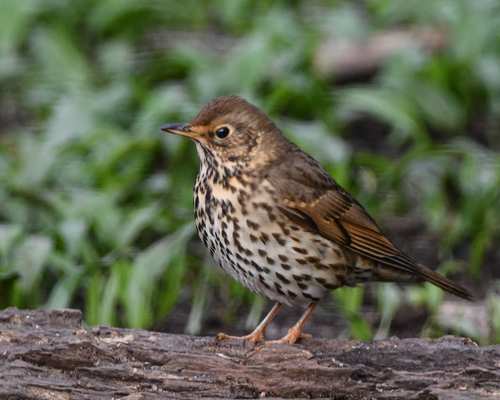 tordo-pinto
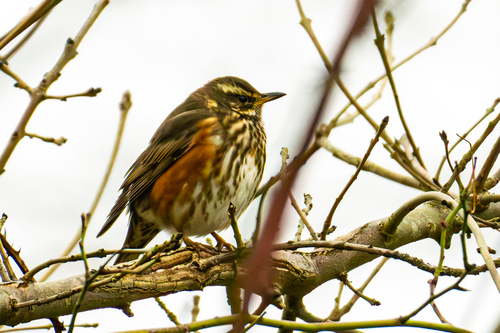 sabiá-ruivo
Em resumo
A maneira mais confiável de separar o tordo-pinto do sabiá-ruivo em campo é identificando o supercílio (sobrancelha) branco-cremoso e ousado do sabiá-ruivo e suas distintas flancos e parte inferior vermelha, que estão ausentes no tordo-pinto. O tordo-pinto apresenta uma parte inferior amarela quente e não possui nenhuma faixa facial forte, parecendo mais simples no geral. Ambas as espécies são semelhantes em tamanho e estrutura, mas o sabiá-ruivo é ligeiramente menor e mais esguio. Os juvenis de ambas são semelhantes, mas a coloração facial e das flancos do sabiá-ruivo permanecem as melhores pistas. Em voo, a cor da parte inferior é diagnóstica: amarelada no tordo-pinto, vermelha no sabiá-ruivo.
Dicas de identificação
- Supercílio (sobrancelha): O sabiá-ruivo sempre apresenta uma faixa branca-cremosa forte acima do olho; o tordo-pinto nunca apresenta. Esta é a melhor marca de campo em qualquer idade ou estação.
- Cor das flancos e parte inferior: O sabiá-ruivo tem flancos vermelhos e uma parte inferior vermelha, visíveis em repouso e especialmente em voo; o tordo-pinto apresenta flancos simples e uma parte inferior amarela quente.
- Padrão facial: O rosto do sabiá-ruivo é mais marcado, com um supercílio pálido e às vezes uma faixa bigode pálida; o rosto do tordo-pinto é marrom simples, sem marcas fortes.
- Manchas na parte inferior: O tordo-pinto tem manchas pretas redondas e bem espaçadas na parte inferior creme ou buff; as manchas do sabiá-ruivo são mais escuras, geralmente em um fundo mais branco, e podem parecer mais difusas.
- Plumagem juvenil: O juvenil do tordo-pinto apresenta listras buff/laranja nas costas e coberturas das asas, mas de outra forma se assemelha aos adultos; o juvenil do sabiá-ruivo já apresenta a faixa facial e flancos vermelhos, embora às vezes menos vívidos.
- Tamanho e estrutura: O tordo-pinto é ligeiramente mais pesado e pode parecer mais robusto; o sabiá-ruivo é mais esguio e compacto, mas isso é sutil e nem sempre confiável.
- Cor das pernas e bico: O tordo-pinto tem pernas rosas e um bico amarelado; as pernas e o bico do sabiá-ruivo são semelhantes, portanto não são um separador forte.
- Visões em voo: Em voo, concentre-se na cor da parte inferior—amarelada no tordo-pinto, vermelha no sabiá-ruivo. O supercílio também pode ser visível em voo no sabiá-ruivo.
- Comportamento: O sabiá-ruivo é mais propenso a ser visto em bandos, especialmente no inverno, e pode parecer mais inquieto; o tordo-pinto é mais frequentemente solitário ou em pares.
- Habitat e estação: No Reino Unido e em grande parte da Europa Ocidental, o sabiá-ruivo está principalmente presente no inverno e frequentemente em campos abertos ou cercas vivas; o tordo-pinto está presente durante todo o ano em jardins e florestas.
- Canto: O tordo-pinto canta uma canção alta, musical, repetitiva de frases de um poleiro; o canto do sabiá-ruivo é mais curto, menos musical, e raramente ouvido fora das áreas de reprodução.
- Chamado: O chamado do tordo-pinto é um 'tsip' agudo ou 'seep'; o do sabiá-ruivo é um 'seeep' fino e prolongado, especialmente em voo.
- Armadilhas: Em luz fraca ou à distância, ambos podem parecer semelhantes, marrons por cima e manchados por baixo. Sempre procure o supercílio e a cor da parte inferior, se possível.
- Sobreposição: Ambos podem ocorrer juntos no inverno na Europa Ocidental; verifique cada tordo em um bando misto para as marcas-chave.
- Ausências notáveis: Nenhuma das espécies apresenta os cantos brancos da cauda da tordoveia ou as marcas faciais pretas do chinese thrush, então não se distraia com essas características.
Tamanho
O tordo-pinto é ligeiramente mais pesado (média de 72g) do que o sabiá-ruivo (média de 62g) [wikidata]. Ambos são semelhantes em comprimento (cerca de 20–24 cm), mas o sabiá-ruivo pode parecer um pouco mais esguio e compacto, especialmente quando empoleirado. A diferença é sutil e nem sempre confiável em campo, especialmente à distância ou em luz fraca.
Plumagem
Os juvenis de ambas as espécies se assemelham aos adultos, mas os juvenis do tordo-pinto têm listras buff ou laranja nas costas e coberturas das asas, enquanto os juvenis do sabiá-ruivo já apresentam a faixa facial e flancos vermelhos, embora às vezes menos vívidos. Para todas as idades, o sabiá-ruivo é inconfundível em boa luz pelo seu forte supercílio branco-cremoso e a coloração avermelhada nas flancos e parte inferior, visíveis tanto em repouso quanto em voo. O tordo-pinto não possui essas características, apresentando em vez disso um rosto simples, parte inferior amarela quente e manchas pretas em partes inferiores creme ou buff. Ambas as espécies têm partes superiores marrons e partes inferiores manchadas, mas as manchas do tordo-pinto são geralmente mais arrumadas e redondas, enquanto as do sabiá-ruivo são mais escuras e mais difusas em um fundo mais branco.
Comportamento
Ambas as espécies forrageiam no chão e em vegetação baixa, frequentemente mexendo folhas e sondando em busca de invertebrados. O sabiá-ruivo pode parecer mais inquieto e é mais provável de ser visto em bandos, especialmente no inverno, enquanto o tordo-pinto é frequentemente solitário ou em pares. Em voo, ambos têm um voo direto e intencional, mas o sabiá-ruivo pode parecer mais ágil e rápido, especialmente quando assustado de um abrigo.
Habitat
O tordo-pinto se reproduz amplamente no Paleártico Ocidental em uma variedade de habitats, incluindo jardins, parques, florestas e cercas vivas. O sabiá-ruivo se reproduz mais ao norte e a leste, preferindo florestas de coníferas e bétulas e tundra, mas no inverno ambas as espécies podem se sobrepor em terras agrícolas, cercas vivas e bordas de florestas. No Reino Unido e na Europa Ocidental, o sabiá-ruivo é principalmente um visitante de inverno, frequentemente em bandos, enquanto o tordo-pinto é residente ou um reprodutor de verão.
Voz
O tordo-pinto tem um canto alto, claro e musical, com frases repetidas e um repertório variado, frequentemente imitando outras espécies ou sons. Seu chamado é um 'tsip' agudo ou um 'seep' alto durante a migração, e um alarme chook-chook. O canto do sabiá-ruivo é mais curto e menos musical, com notas introdutórias assobiadas e dialetos locais, mas raramente é ouvido fora da área de reprodução. No inverno, o chamado de voo do sabiá-ruivo é um 'tsee' fino e agudo ou 'seeep', mais suave e mais prolongado do que o chamado do tordo-pinto.