

Zorzal Común vs Zorzal Alirrojo
Turdus philomelos frente a Turdus iliacus
Juega un quiz con Zorzal Común y Zorzal Alirrojo
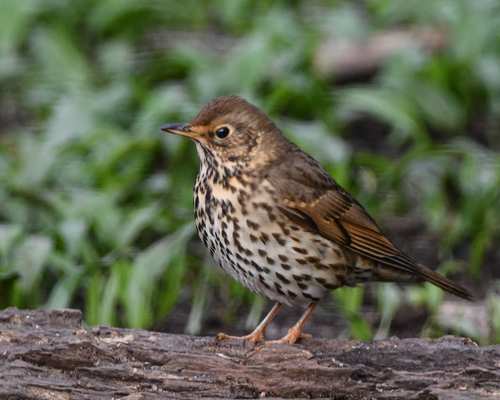 Zorzal Común
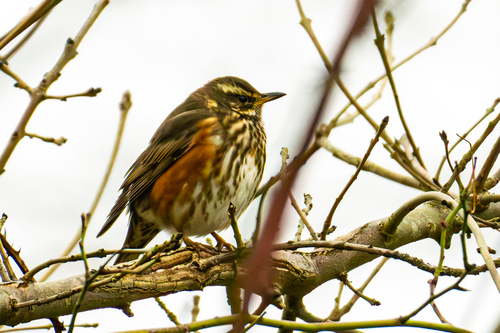 Zorzal Alirrojo
En breve
La forma más confiable de separar el Zorzal Común del Zorzal Alirrojo en el campo es identificando el audaz supercilio blanco cremoso del Zorzal Alirrojo (ceja) y sus distintivas flancos y bajo alas rojos, que están ausentes en el Zorzal Común. El Zorzal Común muestra un bajo alas amarillo cálido y carece de cualquier franja facial fuerte, apareciendo más simple en general. Ambas especies son similares en tamaño y estructura, pero el Zorzal Alirrojo es ligeramente más pequeño y esbelto. Los juveniles de ambas son similares, pero la coloración facial y de flancos del Zorzal Alirrojo sigue siendo la mejor pista. En vuelo, el color del bajo alas es diagnóstico: amarillento en el Zorzal Común, rojo en el Zorzal Alirrojo.
Consejos de identificación
- Supercilium (ceja): El Zorzal Alirrojo siempre muestra una fuerte franja blanca cremosa sobre el ojo; el Zorzal Común nunca lo hace. Esta es la mejor marca de campo en cualquier edad o estación.
- Color de flancos y bajo alas: El Zorzal Alirrojo tiene flancos rojos y un bajo alas rojo, visible en reposo y especialmente en vuelo; el Zorzal Común muestra flancos simples y un bajo alas amarillo cálido.
- Patrón facial: La cara del Zorzal Alirrojo está más marcada, con un supercilio pálido y a veces una franja bigotera pálida; la cara del Zorzal Común es marrón simple sin marcas fuertes.
- Manchas en las partes inferiores: El Zorzal Común tiene manchas negras redondas y bien espaciadas en las partes inferiores crema o buff; las manchas del Zorzal Alirrojo son más oscuras, generalmente sobre un fondo más blanco, y pueden parecer más difusas.
- Plumaje juvenil: El juvenil del Zorzal Común muestra rayas buff/naranja en la espalda y las cobertoras de las alas, pero de otro modo se asemeja a los adultos; el juvenil del Zorzal Alirrojo ya muestra la franja facial y los flancos rojos, aunque a veces menos vívidos.
- Tamaño y estructura: El Zorzal Común es ligeramente más pesado y puede parecer más voluminoso; el Zorzal Alirrojo es más esbelto y más compacto, pero esto es sutil y no siempre confiable.
- Color de patas y pico: El Zorzal Común tiene patas rosas y un pico amarillento; las patas y el pico del Zorzal Alirrojo son similares, por lo que no son un separador fuerte.
- Vistas en vuelo: En vuelo, concéntrate en el color del bajo alas—amarillento en el Zorzal Común, rojo en el Zorzal Alirrojo. El supercilio también puede ser visible en vuelo en el Zorzal Alirrojo.
- Comportamiento: El Zorzal Alirrojo es más probable que se vea en bandadas, especialmente en invierno, y puede parecer más inquieto; el Zorzal Común es más a menudo solitario o en parejas.
- Hábitat y estación: En el Reino Unido y gran parte de Europa occidental, el Zorzal Alirrojo está principalmente presente en invierno y a menudo en campo abierto o setos; el Zorzal Común está presente durante todo el año en jardines y bosques.
- Canto: El Zorzal Común canta una canción fuerte, musical, que repite frases desde un posadero; el canto del Zorzal Alirrojo es más corto, menos musical, y rara vez se escucha fuera de las áreas de cría.
- Llamada: La llamada del Zorzal Común es un agudo 'tsip' o 'seep'; la del Zorzal Alirrojo es un delgado y prolongado 'seeep', especialmente en vuelo.
- Trampas: En poca luz o a distancia, ambos pueden parecer similares marrones por encima y manchados por debajo. Siempre busca el supercilio y el color del bajo alas si es posible.
- Superposición: Ambos pueden ocurrir juntos en invierno en Europa occidental; revisa cada zorzal en una bandada mixta para las marcas clave.
- Ausencias notables: Ninguna de las especies muestra las esquinas de la cola blanca del Zorzal Charlo o las marcas faciales negras del Zorzal Chino, así que no te distraigas con estas características.
Tamaño
El Zorzal Común es ligeramente más pesado (promedio 72g) que el Zorzal Alirrojo (promedio 62g) [wikidata]. Ambos son similares en longitud (alrededor de 20–24 cm), pero el Zorzal Alirrojo puede parecer un poco más esbelto y compacto, especialmente cuando está posado. La diferencia es sutil y no siempre confiable en el campo, especialmente a distancia o en poca luz.
Plumaje
Los juveniles de ambas especies se asemejan a los adultos, pero los juveniles del Zorzal Común tienen rayas buff o naranjas en la espalda y las cobertoras de las alas, mientras que los juveniles del Zorzal Alirrojo ya muestran la franja facial y los flancos rojos, aunque a veces menos vívidamente. Para todas las edades, el Zorzal Alirrojo es inconfundible en buena luz por su fuerte supercilio blanco cremoso y la coloración rojiza en los flancos y bajo alas, visible tanto en reposo como en vuelo. El Zorzal Común carece de estas características, mostrando en su lugar una cara simple, un bajo alas amarillo cálido y manchas negras en las partes inferiores crema o buff. Ambas especies tienen partes superiores marrones y partes inferiores manchadas, pero las manchas del Zorzal Común son generalmente más ordenadas y redondas, mientras que las del Zorzal Alirrojo son más oscuras y más difusas sobre un fondo más blanco.
Comportamiento
Ambas especies forrajean en el suelo y en vegetación baja, a menudo levantando hojas y sondeando en busca de invertebrados. El Zorzal Alirrojo puede parecer más inquieto y es más probable que se vea en bandadas, especialmente en invierno, mientras que el Zorzal Común es a menudo solitario o en parejas. En vuelo, ambos tienen un vuelo directo y decidido, pero el Zorzal Alirrojo puede parecer más ágil y rápido, especialmente cuando es levantado de su cobertura.
Hábitat
El Zorzal Común cría ampliamente a través del Paleártico Occidental en una variedad de hábitats, incluyendo jardines, parques, bosques y setos. El Zorzal Alirrojo cría más al norte y al este, favoreciendo bosques de coníferas y abedules y tundra, pero en invierno ambas especies pueden superponerse en tierras agrícolas, setos y bordes de bosques. En el Reino Unido y Europa occidental, el Zorzal Alirrojo es principalmente un visitante invernal, a menudo en bandadas, mientras que el Zorzal Común es residente o un criador de verano.
Voz
El Zorzal Común tiene un canto fuerte, claro y musical, con frases repetidas y un repertorio variado, a menudo imitando otras especies o sonidos. Su llamada es un agudo 'tsip' o un alto 'seep' en migración, y una alarma chook-chook. El canto del Zorzal Alirrojo es más corto y menos musical, con notas introductorias silbantes y dialectos locales, pero rara vez se escucha fuera del rango de cría. En invierno, la llamada de vuelo del Zorzal Alirrojo es un delgado y agudo 'tsee' o 'seeep', más suave y más prolongada que la llamada del Zorzal Común.