

Tordo bottaccio vs Tordo sassello
Turdus philomelos contro Turdus iliacus
Fai un quiz con Tordo bottaccio e Tordo sassello
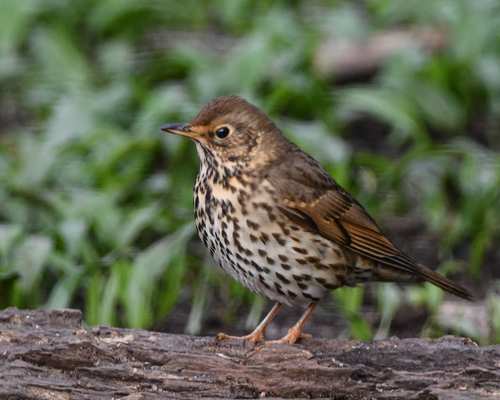 Tordo bottaccio
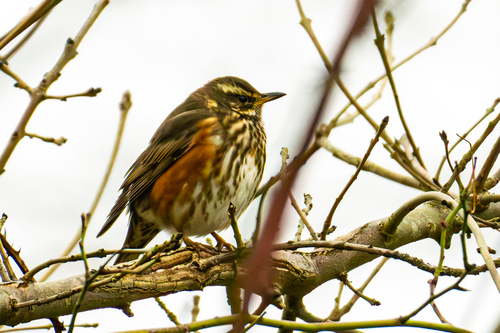 Tordo sassello
In breve
Il modo più affidabile per separare il Tordo bottaccio dal Tordo sassello sul campo è individuare il forte sopracciglio bianco crema del Tordo sassello e i suoi distintivi fianchi e sottocoda rossi, assenti nel Tordo bottaccio. Il Tordo bottaccio mostra un sottocoda giallo caldo e manca di una forte striscia facciale, apparendo complessivamente più semplice. Entrambe le specie sono simili in dimensioni e struttura, ma il Tordo sassello è leggermente più piccolo e snello. I giovani di entrambe le specie sono simili, ma la colorazione facciale e dei fianchi del Tordo sassello rimane il miglior indizio. In volo, il colore del sottocoda è diagnostico: giallastro nel Tordo bottaccio, rosso nel Tordo sassello.
Consigli di identificazione
- Sopracciglio (sopracciglio): Il Tordo sassello mostra sempre una forte striscia bianco crema sopra l'occhio; il Tordo bottaccio non lo fa mai. Questo è il miglior segno sul campo a qualsiasi età o stagione.
- Colore dei fianchi e del sottocoda: Il Tordo sassello ha fianchi rossi e un sottocoda rosso, visibili a riposo e soprattutto in volo; il Tordo bottaccio mostra fianchi semplici e un sottocoda giallo caldo.
- Schema facciale: Il volto del Tordo sassello è più marcato, con un sopracciglio pallido e talvolta una striscia moustachiale pallida; il volto del Tordo bottaccio è marrone semplice senza marcature forti.
- Macchie sotto: Il Tordo bottaccio ha macchie nere ordinate, rotonde e ben distanziate su parti inferiori crema o buff; le macchie del Tordo sassello sono più scure, di solito su uno sfondo più bianco, e possono apparire più diffuse.
- Piumaggio giovanile: Il giovane Tordo bottaccio mostra strisce buff/arancioni sulla schiena e sulle copritrici delle ali, ma altrimenti assomiglia agli adulti; il giovane Tordo sassello mostra già la striscia facciale e i fianchi rossi, anche se a volte meno vividi.
- Dimensioni e struttura: Il Tordo bottaccio è leggermente più pesante e può apparire più massiccio; il Tordo sassello è più snello e compatto, ma questa è una differenza sottile e non sempre affidabile.
- Colore delle gambe e del becco: Il Tordo bottaccio ha gambe rosa e un becco giallastro; le gambe e il becco del Tordo sassello sono simili, quindi non sono un forte separatore.
- Viste in volo: In volo, concentrati sul colore del sottocoda—giallastro nel Tordo bottaccio, rosso nel Tordo sassello. Il sopracciglio può anche essere visibile in volo sul Tordo sassello.
- Comportamento: Il Tordo sassello è più probabile che venga visto in gruppi, specialmente in inverno, e può apparire più irrequieto; il Tordo bottaccio è più spesso solitario o in coppie.
- Habitat e stagione: Nel Regno Unito e in gran parte dell'Europa occidentale, il Tordo sassello è principalmente presente in inverno e spesso in campagna aperta o siepi; il Tordo bottaccio è presente tutto l'anno in giardini e boschi.
- Canto: Il Tordo bottaccio canta un canto forte, musicale, ripetitivo da un posatoio; il canto del Tordo sassello è più corto, meno musicale e raramente udito al di fuori delle aree di nidificazione.
- Richiamo: Il richiamo del Tordo bottaccio è un 'tsip' acuto o 'seep'; quello del Tordo sassello è un 'seeep' sottile e prolungato, specialmente in volo.
- Insidie: In scarsa luce o a distanza, entrambi possono apparire simili marroni sopra e macchiati sotto. Cerca sempre il sopracciglio e il colore del sottocoda se possibile.
- Sovrapposizione: Entrambi possono verificarsi insieme in inverno nell'Europa occidentale; controlla ogni tordo in un gruppo misto per i segni chiave.
- Assenze notevoli: Nessuna delle due specie mostra gli angoli bianchi della coda della Tordela o le marcature facciali nere del Tordo cinese, quindi non farti distrarre da queste caratteristiche.
Taglia
Il Tordo bottaccio è leggermente più pesante (media 72g) rispetto al Tordo sassello (media 62g) [wikidata]. Entrambi sono simili in lunghezza (circa 20–24 cm), ma il Tordo sassello può apparire un po' più snello e compatto, specialmente quando è posato. La differenza è sottile e non sempre affidabile sul campo, specialmente a distanza o in scarsa luce.
Piumaggio
I giovani di entrambe le specie assomigliano agli adulti, ma i giovani Tordo bottaccio hanno strisce buff o arancioni sulla schiena e sulle copritrici delle ali, mentre i giovani Tordo sassello mostrano già la striscia facciale e i fianchi rossi, anche se a volte meno vividamente. Per tutte le età, il Tordo sassello è inconfondibile in buona luce grazie al suo forte sopracciglio bianco crema e alla colorazione rossastra sui fianchi e sul sottocoda, visibili sia a riposo che in volo. Il Tordo bottaccio manca di queste caratteristiche, mostrando invece un volto semplice, un sottocoda giallo caldo e macchie nere su parti inferiori crema o buff. Entrambe le specie hanno parti superiori marroni e parti inferiori macchiate, ma le macchie del Tordo bottaccio sono di solito più ordinate e rotonde, mentre quelle del Tordo sassello sono più scure e più diffuse su uno sfondo più bianco.
Comportamento
Entrambe le specie si nutrono a terra e in bassa vegetazione, spesso muovendo foglie e cercando invertebrati. Il Tordo sassello può apparire più irrequieto ed è più probabile che venga visto in gruppi, specialmente in inverno, mentre il Tordo bottaccio è spesso solitario o in coppie. In volo, entrambe hanno un volo diretto e deciso, ma il Tordo sassello può sembrare più agile e veloce, specialmente quando viene spaventato.
Habitat
Il Tordo bottaccio nidifica ampiamente attraverso il Paleartico occidentale in una varietà di habitat, tra cui giardini, parchi, boschi e siepi. Il Tordo sassello nidifica più a nord e a est, preferendo foreste di conifere e betulle e tundra, ma in inverno entrambe le specie possono sovrapporsi in terreni agricoli, siepi e margini boschivi. Nel Regno Unito e in Europa occidentale, il Tordo sassello è principalmente un visitatore invernale, spesso in gruppi, mentre il Tordo bottaccio è residente o un nidificante estivo.
Voce
Il Tordo bottaccio ha un canto forte, chiaro e musicale, con frasi ripetute e un repertorio vario, spesso mimando altre specie o suoni. Il suo richiamo è un 'tsip' acuto o un 'seep' alto in migrazione, e un allerta chook-chook. Il canto del Tordo sassello è più corto e meno musicale, con note introduttive fischianti e dialetti locali, ma è raramente udito al di fuori dell'area di nidificazione. In inverno, il richiamo in volo del Tordo sassello è un 'tsee' o 'seeep' sottile e acuto, più morbido e prolungato rispetto al richiamo del Tordo bottaccio.