

maçarico-solitário vs wandering tattler
Tringa solitaria versus Tringa incana
Jogue um quiz com maçarico-solitário e wandering tattler
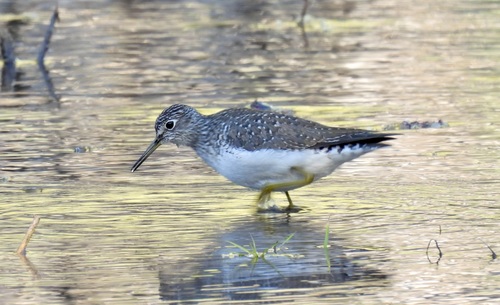 maçarico-solitário
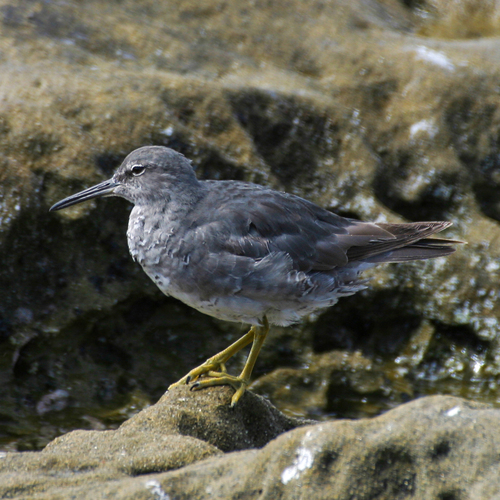 wandering tattler
Em resumo
A marca de campo mais confiável para separar o maçarico-solitário do wandering tattler é o padrão das partes superiores e penas de voo: o maçarico-solitário apresenta um dorso escuro com pequenas manchas claras e uma região do rabo e centro da cauda distintamente escuros em voo, enquanto o wandering tattler tem partes superiores e asas cinzas, sem padrão, sem manchas, e não apresenta uma região do rabo contrastante. O maçarico-solitário é menor e mais robusto, com uma aparência mais delicada, enquanto o wandering tattler é mais pesado e possui asas mais longas. As partes inferiores também diferem: o maçarico-solitário tem um ventre branco com um peito acinzentado, enquanto o wandering tattler em plumagem de reprodução apresenta listras ou escamas escuras pesadas que se estendem até o ventre. Ambas as espécies podem apresentar um supercílio, mas este é mais proeminente no wandering tattler. Essas diferenças são visíveis com binóculos tanto em repouso quanto em voo.
Dicas de identificação
- Padrão da asa superior e dorso (todas as idades): O maçarico-solitário apresenta pequenas manchas claras em um dorso e asas verde-escuros, enquanto as partes superiores e asas do wandering tattler são cinzas, sem padrão. Isso é mais óbvio em voo ou em repouso com boa luz.
- Rabo e cauda em voo: O maçarico-solitário tem uma região do rabo e centro da cauda distintamente escuros, contrastando com o resto do corpo. O wandering tattler não apresenta esse contraste, com o rabo se misturando ao dorso.
- Partes inferiores (plumagem de reprodução): O wandering tattler em plumagem de reprodução tem listras ou escamas escuras pesadas que se estendem do peito até o ventre. O maçarico-solitário sempre tem um ventre branco limpo, com apenas um peito e pescoço acinzentados.
- Supercílio: Ambas as espécies podem apresentar um supercílio, mas o do wandering tattler é mais proeminente, especialmente em plumagem de reprodução. O do maçarico-solitário é mais delicado e menos marcante.
- Forma e tamanho do corpo: O maçarico-solitário é menor, mais robusto e mais delicado; o wandering tattler é mais volumoso e possui asas mais longas. Se você ver ambos juntos, a diferença de tamanho é óbvia.
- Cor das pernas: O wandering tattler tem pernas curtas e amarelas escuras; as pernas do maçarico-solitário são esverdeadas, mas isso é sutil e nem sempre confiável em campo.
- Bico: O wandering tattler tem um bico cinza escuro, proporcionalmente mais pesado que o bico mais delicado do maçarico-solitário.
- Face e pescoço: A face e o pescoço do wandering tattler são cinzas, combinando com as partes superiores, enquanto as do maçarico-solitário são mais contrastantes, com uma cabeça acinzentada e partes inferiores brancas.
- Estilo de voo: O maçarico-solitário muitas vezes parece mais agitado e leve em voo, enquanto o wandering tattler é mais estável e direto.
- Habitat: O maçarico-solitário é geralmente encontrado em habitats de água doce, florestados ou interiores; o wandering tattler prefere costas rochosas e raramente está longe do mar, exceto durante a migração.
- Comportamento: O maçarico-solitário frequentemente balança sua cauda enquanto forrageia; o wandering tattler é mais propenso a andar de forma constante entre as pedras.
- Vocalizações: Ouça o assobio claro de três notas do maçarico-solitário em comparação com o trinado rápido e staccato do wandering tattler. Chamadas são especialmente úteis se o pássaro se assustar.
- Contexto: Se você encontrar um wader solitário no interior, especialmente em ambientes florestados ou pantanosos, o maçarico-solitário é mais provável. Em costas rochosas, especialmente no Pacífico, o wandering tattler é esperado.
- Armadilhas: Wandering tattlers imaturos e não reprodutores não apresentam as listras pesadas, mas ainda têm partes superiores cinzas simples, que é a melhor marca para separá-los do maçarico-solitário manchado.
- Quando as marcas falham: Em luz fraca ou a grandes distâncias, confie no tamanho, estrutura e habitat como pistas de backup, mas priorize o padrão da asa superior e o contraste da região do rabo/cauda sempre que possível.
Tamanho
O maçarico-solitário é distintamente menor e mais leve, com uma massa corporal média de 48,6 g, em comparação com os 108,5 g do wandering tattler. O maçarico-solitário mede de 18 a 23 cm de comprimento com uma envergadura de até 50 cm, enquanto o wandering tattler mede de 26 a 30 cm de comprimento com uma envergadura de 50 a 55 cm. No campo, o maçarico-solitário parece mais compacto e robusto, enquanto o wandering tattler é mais volumoso e robusto, com asas mais longas e uma construção mais pesada.
Plumagem
Os maçaricos-solitários juvenis e não reprodutores apresentam um dorso marrom-escuro esverdeado com pequenas manchas claras e uma região do rabo e centro da cauda escuros, que são visíveis em voo e são uma marca chave em todas as idades. O wandering tattler, independentemente da idade, tem partes superiores e asas cinzas simples, sem manchas ou manchas. Em plumagem de reprodução, o wandering tattler desenvolve listras ou escamas escuras pesadas no peito que se estendem até o ventre, enquanto o maçarico-solitário sempre tem um ventre branco limpo, com apenas um peito e pescoço acinzentados. Ambos podem apresentar um supercílio, mas este é mais pronunciado no wandering tattler, especialmente em plumagem de reprodução. A parte inferior da asa e a face do wandering tattler também são cinzas, combinando com as partes superiores, enquanto o maçarico-solitário tem mais contraste entre as partes superiores mais escuras e as partes inferiores brancas.
Comportamento
Ambas as espécies são frequentemente vistas sozinhas ou em pequenos grupos, mas o maçarico-solitário é especialmente conhecido por seus hábitos solitários, como seu nome sugere. O maçarico-solitário frequentemente balança sua cauda e forrageia ao longo das bordas de habitats de água doce. O wandering tattler tende a ser mais robusto em movimento e pode ser visto forrageando em costas rochosas ou habitats costeiros, frequentemente andando de forma constante e sondando entre as pedras.
Habitat
O maçarico-solitário é tipicamente encontrado ao longo das bordas de lagoas de água doce, riachos e pântanos, frequentemente longe da costa. O wandering tattler é mais provável de ser encontrado em habitats costeiros, especialmente costas rochosas, mas também pode ocorrer ao longo de margens de rios durante a migração. Se o pássaro estiver forrageando em rochas à beira-mar, o wandering tattler é mais provável; se estiver em um ambiente florestado ou de água doce no interior, o maçarico-solitário é favorecido.
Voz
O maçarico-solitário emite um assobio distinto de três notas em voo. O chamado do wandering tattler é um trinado rápido de notas staccato aceleradas, às vezes com três ou quatro batidas por chamada. As vocalizações são bastante diferentes em ritmo e tom, com o chamado do maçarico-solitário sendo mais espaçado e o do wandering tattler mais rápido e mecânico.
maçarico-solitário · wandering tattler · Minhas aves difíceis