

Solitary Sandpiper vs Wandering Tattler
Tringa solitaria contro Tringa incana
Fai un quiz con Solitary Sandpiper e Wandering Tattler
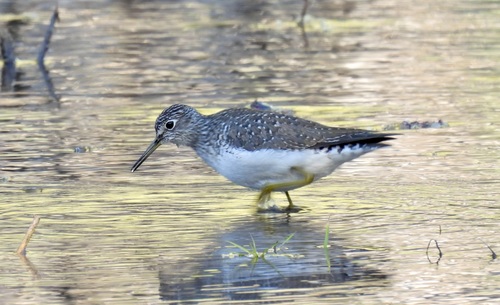 Solitary Sandpiper
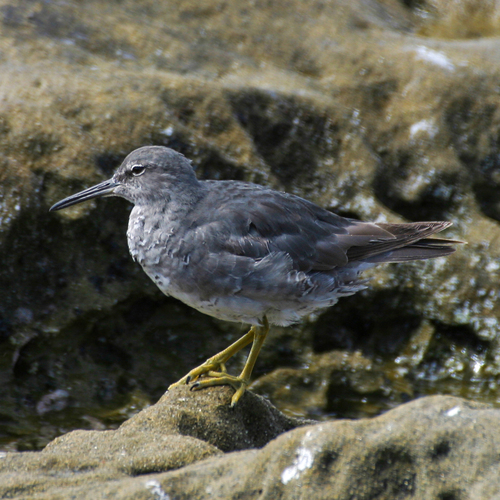 Wandering Tattler
In breve
Il segno di campo più affidabile per separare il Solitary Sandpiper dal Wandering Tattler è il modello delle parti superiori e delle piume di volo: il Solitary Sandpiper mostra un dorso scuro con piccole macchie chiare e un fondo e una coda distintamente scuri in volo, mentre il Wandering Tattler ha parti superiori e ali grigie, senza pattern, prive di macchie, e non mostra un fondo contrastante. Il Solitary Sandpiper è più piccolo e tozzo, con un aspetto più delicato, mentre il Wandering Tattler ha un corpo più pesante e ali più lunghe. Anche le parti inferiori differiscono: il Solitary Sandpiper ha un ventre bianco con un petto grigio, mentre il Wandering Tattler in abito nuziale mostra pesanti striature o squame che si estendono sul ventre. Entrambe le specie possono mostrare un supercilium, ma è più prominente nel Wandering Tattler. Queste differenze sono visibili con i binocoli sia a riposo che in volo.
Consigli di identificazione
- Upperwing and back pattern (all ages): Il Solitary Sandpiper mostra piccole macchie chiare su un dorso e ali verde scuro, mentre le parti superiori e le ali del Wandering Tattler sono grigie, senza pattern. Questo è più evidente in volo o a riposo con buona luce.
- Rump and tail in flight: Il Solitary Sandpiper ha un fondo e una coda distintamente scuri, in contrasto con il resto del corpo. Il Wandering Tattler manca di questo contrasto, con il fondo che si fonde nel dorso.
- Underparts (breeding plumage): Il Wandering Tattler in abito nuziale ha pesanti striature scure che si estendono dal petto al ventre. Il Solitary Sandpiper ha sempre un ventre bianco pulito con solo un petto e un collo grigio.
- Supercilium: Entrambe le specie possono mostrare un supercilium, ma quello del Wandering Tattler è più prominente, specialmente in abito nuziale. Quello del Solitary Sandpiper è più delicato e meno appariscente.
- Body shape and size: Il Solitary Sandpiper è più piccolo, tozzo e più delicato; il Wandering Tattler è più robusto e con ali più lunghe. Se vedi entrambi insieme, la differenza di dimensioni è evidente.
- Leg color: Il Wandering Tattler ha gambe corte e gialle scure; le gambe del Solitary Sandpiper sono verdastre, ma questo è sottile e non sempre affidabile sul campo.
- Bill: Il Wandering Tattler ha un becco grigio scuro, proporzionalmente più pesante rispetto al becco più delicato del Solitary Sandpiper.
- Face and neck: Il viso e il collo del Wandering Tattler sono grigi, in sintonia con le parti superiori, mentre quelli del Solitary Sandpiper sono più contrastati, con una testa grigia e parti inferiori bianche.
- Flight style: Il Solitary Sandpiper appare spesso più fluttuante e galleggiante in volo, mentre il Wandering Tattler è più stabile e diretto.
- Habitat: Il Solitary Sandpiper si trova di solito in habitat d'acqua dolce, boschivi o interni; il Wandering Tattler preferisce le coste rocciose ed è raramente lontano dal mare, tranne durante la migrazione.
- Behavior: Il Solitary Sandpiper spesso muove la coda mentre cerca cibo; il Wandering Tattler è più propenso a camminare stabilmente tra le rocce.
- Vocalizations: Ascolta il chiaro fischio a tre note del Solitary Sandpiper rispetto al rapido trill staccato del Wandering Tattler. I richiami sono particolarmente utili se l'uccello si spaventa.
- Context: Se incontri un wader solitario nell'entroterra, specialmente in ambienti boschivi o paludosi, è più probabile che sia un Solitary Sandpiper. Sulle coste rocciose, specialmente nel Pacifico, ci si aspetta un Wandering Tattler.
- Pitfalls: I Wandering Tattler immaturi e non in riproduzione mancano delle pesanti striature ma hanno comunque parti superiori grigie, che è il miglior segno per separarsi dal Solitary Sandpiper maculato.
- When marks fail: In scarsa luce o a grande distanza, fai affidamento su dimensioni, struttura e habitat come indizi di riserva, ma dai priorità al modello delle ali superiori e al contrasto fondo/coda ogni volta che è possibile.
Taglia
Il Solitary Sandpiper è nettamente più piccolo e leggero, con una massa corporea media di 48.6 g, rispetto ai 108.5 g del Wandering Tattler. Il Solitary Sandpiper misura 18–23 cm di lunghezza con un'apertura alare fino a 50 cm, mentre il Wandering Tattler è lungo 26–30 cm con un'apertura alare di 50–55 cm. Sul campo, il Solitary Sandpiper appare più compatto e tozzo, mentre il Wandering Tattler è più robusto e massiccio, con ali più lunghe e una costruzione più pesante.
Piumaggio
I Solitary Sandpiper giovanili e non in riproduzione mostrano un dorso marrone verde scuro con piccole macchie chiare e un fondo e una coda scuri, che sono visibili in volo e sono un segno chiave in tutte le età. Il Wandering Tattler, indipendentemente dall'età, ha parti superiori e ali grigie, senza pattern, prive di macchie o maculature. In abito nuziale, il Wandering Tattler sviluppa pesanti striature scure o squame sul petto che si estendono sul ventre, mentre il Solitary Sandpiper ha sempre un ventre bianco pulito con solo un petto e un collo grigio. Entrambi possono mostrare un supercilium, ma è più pronunciato nel Wandering Tattler, specialmente in abito nuziale. L'ala inferiore e il viso del Wandering Tattler sono anche grigi, in sintonia con le parti superiori, mentre il Solitary Sandpiper ha più contrasto tra le parti superiori più scure e le parti inferiori bianche.
Comportamento
Entrambe le specie sono spesso viste singolarmente o in piccoli gruppi, ma il Solitary Sandpiper è particolarmente noto per le sue abitudini solitarie, come suggerisce il suo nome. Il Solitary Sandpiper spesso muove la coda e cerca cibo lungo i bordi degli habitat d'acqua dolce. Il Wandering Tattler tende ad essere più robusto nei movimenti e può essere visto cercare cibo su coste rocciose o habitat costieri, spesso camminando stabilmente e sondando tra le rocce.
Habitat
Il Solitary Sandpiper si trova tipicamente lungo i bordi di stagni d'acqua dolce, corsi d'acqua e paludi, spesso lontano dalla costa. Il Wandering Tattler è più probabile che si trovi in habitat costieri, specialmente lungo coste rocciose, ma può anche verificarsi lungo le rive dei fiumi durante la migrazione. Se l'uccello sta cercando cibo su rocce vicino al mare, è più probabile che sia un Wandering Tattler; se si trova in un ambiente boschivo o d'acqua dolce interno, è favorito il Solitary Sandpiper.
Voce
Il Solitary Sandpiper emette un fischio distintivo a tre note in volo. Il richiamo del Wandering Tattler è un rapido trill di note staccate che accelerano, a volte con tre o quattro battiti per richiamo. Le vocalizzazioni sono abbastanza diverse in ritmo e tono, con il richiamo del Solitary Sandpiper che è più distanziato e quello del Wandering Tattler più rapido e meccanico.
Solitary Sandpiper · Wandering Tattler · I miei uccelli difficili