

Motmot

コシグロクサシギ 対 メリケンキアシシギ

Tringa solitaria 対 Tringa incana

コシグロクサシギとメリケンキアシシギのクイズ
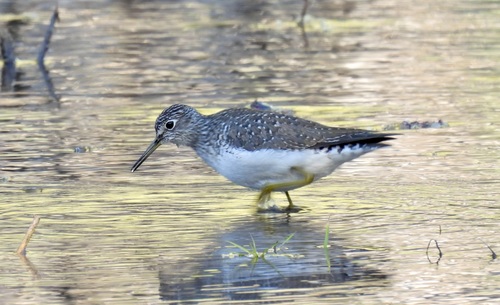
コシグロクサシギ (Tringa solitaria) コシグロクサシギ
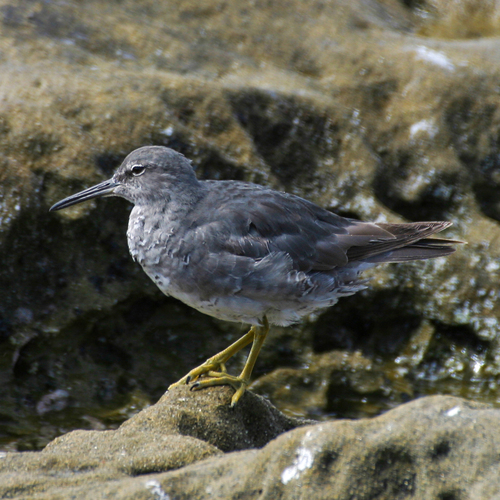
メリケンキアシシギ (Tringa incana) メリケンキアシシギ

メディア

読み込み中…

要点

コシグロクサシギとメリケンキアシシギを区別する最も信頼できるフィールドマークは、上面と飛行羽のパターンです:コシグロクサシギは小さな明るい斑点のある暗い背中と、飛行中に明確に暗い尾と尾の中心を示しますが、メリケンキアシシギはパターンのない単色の灰色の上面と翼を持ち、斑点がなく、対照的な尾を示しません。コシグロクサシギは小さくてずんぐりしており、より繊細な外観を持っていますが、メリケンキアシシギは体が重く、翼が長いです。下面も異なります:コシグロクサシギは灰色の胸を持つ白い腹を持ち、メリケンキアシシギは繁殖羽衣で腹にまで広がる重いバリングまたはスケーリングを示します。両種はスーパーシリウムを示すことがありますが、メリケンキアシシギの方が目立ちます。これらの違いは、休んでいる時や飛行中に双眼鏡で見ることができます。

識別のコツ

  1. Upperwing and back pattern (all ages): コシグロクサシギは暗い緑がかった背中と翼に小さな淡い斑点を示しますが、メリケンキアシシギの上面と翼は単色の無地の灰色です。これは、飛行中または良い光の下で休んでいる時に最も明らかです。
  2. Rump and tail in flight: コシグロクサシギは、体の他の部分と対照的な明確に暗い尾と尾の中心を持っています。メリケンキアシシギはこの対照がなく、尾が背中に溶け込んでいます。
  3. Underparts (breeding plumage): 繁殖羽衣のメリケンキアシシギは、胸から腹にかけて重い暗いバリングまたはスケーリングを持っています。コシグロクサシギは常に灰色の胸と首だけを持つ清潔な白い腹を持っています。
  4. Supercilium: 両種はスーパーシリウムを示すことがありますが、メリケンキアシシギの方が目立ち、特に繁殖羽衣の時に顕著です。コシグロクサシギのものはより繊細で目立たないです。
  5. Body shape and size: コシグロクサシギは小さく、ずんぐりしており、より繊細です;メリケンキアシシギはより大きく、翼が長いです。両方を一緒に見ると、サイズの違いは明らかです。
  6. Leg color: メリケンキアシシギは短くて暗い黄色の脚を持っています;コシグロクサシギの脚は緑がかっていますが、これは微妙で、フィールドでは常に信頼できるわけではありません。
  7. Bill: メリケンキアシシギは暗い灰色のくちばしを持ち、コシグロクサシギのより繊細なくちばしよりも相対的に重いです。
  8. Face and neck: メリケンキアシシギの顔と首は灰色で、上面と一致していますが、コシグロクサシギのものはより対照的で、灰色の頭と白い下面を持っています。
  9. Flight style: コシグロクサシギは飛行中によりフラッターして浮遊感があるように見えることが多いですが、メリケンキアシシギはより安定していて直接的です。
  10. Habitat: コシグロクサシギは通常、淡水、森林、または内陸の生息地で見られます;メリケンキアシシギは岩の多い海岸を好み、移動中を除いて海から遠く離れることはほとんどありません。
  11. Behavior: コシグロクサシギは採餌中に尾をよく上下させます;メリケンキアシシギは岩の間を安定して歩くことが多いです。
  12. Vocalizations: コシグロクサシギの明確な三音のホイッスルと、メリケンキアシシギの速いスタッカートのトリルを聞いてください。呼び声は特に鳥が飛び立つ時に役立ちます。
  13. Context: 内陸で孤立した水鳥に出会った場合、特に森林や湿地の環境では、コシグロクサシギの可能性が高いです。岩の多い海岸、特に太平洋では、メリケンキアシシギが期待されます。
  14. Pitfalls: 未熟で非繁殖のメリケンキアシシギは重いバリングが欠けていますが、依然として無地の灰色の上面を持っており、斑点のあるコシグロクサシギと区別するための最良のマークです。
  15. When marks fail: 照明が悪い場合や遠くからの場合は、サイズ、構造、そして生息地に頼ってバックアップの手がかりを得ますが、可能な限り上翼のパターンと尾/尾の対照を優先してください。

大きさ

コシグロクサシギは明らかに小さくて軽く、平均体重は48.6gで、メリケンキアシシギの108.5gと比較されます。コシグロクサシギは18〜23cmの長さで、翼幅は最大50cmですが、メリケンキアシシギは26〜30cmの長さで、翼幅は50〜55cmです。フィールドでは、コシグロクサシギはよりコンパクトでずんぐりしているように見えますが、メリケンキアシシギはより大きく、より頑丈で、翼が長く、体が重いです。

羽色

未熟および非繁殖のコシグロクサシギは、小さな淡い斑点と暗い尾と尾の中心を持つ暗い緑がかった茶色の背中を示し、これは飛行中に見られ、すべての年齢での重要なマークです。メリケンキアシシギは、年齢に関係なく、無地の単色の灰色の上面と翼を持ち、斑点やまだら模様がありません。繁殖羽衣では、メリケンキアシシギは胸から腹にかけて重い暗いバリングまたはスケーリングを発達させますが、コシグロクサシギは常に灰色の胸と首だけを持つ清潔な白い腹を持っています。両方はスーパーシリウムを示すことができますが、特に繁殖羽衣の時にメリケンキアシシギの方がより顕著です。メリケンキアシシギの下翼と顔も灰色で、上面と一致していますが、コシグロクサシギはより暗い上面と白い下面の間に対照があります。

行動

両種はしばしば単独または小さな群れで見られますが、コシグロクサシギはその名前が示すように、特に孤独な習性で知られています。コシグロクサシギはしばしば尾を上下させ、淡水の生息地の縁で採餌します。メリケンキアシシギは動きがより頑丈で、岩の多い海岸や沿岸の生息地で採餌しているのが見られ、しばしば安定して歩き、岩の間を探ります。

生息環境

コシグロクサシギは通常、淡水の池、川、湿地の縁で見られ、しばしば海岸から離れています。メリケンキアシシギは沿岸の生息地、特に岩の多い海岸で見られる可能性が高いですが、移動中には河岸でも見られることがあります。もし鳥が海の岩の上で採餌している場合、メリケンキアシシギの可能性が高いです;もし森林や内陸の淡水の環境にいる場合、コシグロクサシギが好まれます。

声

コシグロクサシギは飛行中に特徴的な三音のホイッスルを出します。メリケンキアシシギの呼び声は、加速するスタッカートの音の速いトリルで、時には一回の呼び声に三回または四回のビートがあります。声のリズムとトーンはかなり異なり、コシグロクサシギの呼び声はより間隔があり、メリケンキアシシギの呼び声はより速く機械的です。

より良い説明を送る

比較と同じ項目を使ってください。文章はすぐに公開されます。

The most reliable field mark to separate Solitary Sandpiper from Wandering Tattler is the pattern of the upperparts and flight feathers: Solitary Sandpiper shows a dark back with small light spots and a distinctly dark rump and tail center in flight, while Wandering Tattler has unpatterned, plain gray upperparts and wings, lacking any spotting, and does not show a contrasting rump. Solitary Sandpiper is smaller and dumpier, with a more delicate look, while Wandering Tattler is heavier-bodied and longer-winged. Underparts also differ: Solitary Sandpiper has a white belly with a grayish breast, while Wandering Tattler in breeding plumage shows heavy barring or scaling extending onto the belly. Both species can show a supercilium, but it is more prominent in Wandering Tattler. These differences are visible with binoculars both at rest and in flight.

  1. Upperwing and back pattern (all ages): Solitary Sandpiper shows small pale spots on a dark greenish back and wings, while Wandering Tattler's upperparts and wings are plain, unpatterned gray. This is most obvious in flight or at rest with good light.
  2. Rump and tail in flight: Solitary Sandpiper has a distinctly dark rump and tail center, contrasting with the rest of the body. Wandering Tattler lacks this contrast, with the rump blending into the back.
  3. Underparts (breeding plumage): Wandering Tattler in breeding plumage has heavy, dark barring or scaling extending from the breast onto the belly. Solitary Sandpiper always has a clean white belly with only a grayish breast and neck.
  4. Supercilium: Both species can show a supercilium, but Wandering Tattler's is more prominent, especially in breeding plumage. Solitary Sandpiper's is more delicate and less striking.
  5. Body shape and size: Solitary Sandpiper is smaller, dumpier, and more delicate; Wandering Tattler is bulkier and longer-winged. If you see both together, the size difference is obvious.
  6. Leg color: Wandering Tattler has short, dark yellow legs; Solitary Sandpiper's legs are greenish, but this is subtle and not always reliable in the field.
  7. Bill: Wandering Tattler has a dark gray bill, proportionally heavier than the Solitary Sandpiper's more delicate bill.
  8. Face and neck: Wandering Tattler's face and neck are gray, matching the upperparts, while Solitary Sandpiper's are more contrasted, with a grayish head and white underparts.
  9. Flight style: Solitary Sandpiper often appears more fluttery and buoyant in flight, while Wandering Tattler is steadier and more direct.
  10. Habitat: Solitary Sandpiper is usually found in freshwater, wooded, or inland habitats; Wandering Tattler prefers rocky coastlines and is rarely far from the sea except during migration.
  11. Behavior: Solitary Sandpiper often bobs its tail while foraging; Wandering Tattler is more likely to walk steadily among rocks.
  12. Vocalizations: Listen for Solitary Sandpiper's clear three-note whistle versus Wandering Tattler's rapid, staccato trill. Calls are especially useful if the bird flushes.
  13. Context: If you encounter a solitary wader inland, especially in wooded or marshy settings, Solitary Sandpiper is more likely. On rocky coasts, especially in the Pacific, Wandering Tattler is expected.
  14. Pitfalls: Immature and non-breeding Wandering Tattlers lack the heavy barring but still have plain gray upperparts, which is the best mark to separate from the spotted Solitary Sandpiper.
  15. When marks fail: In poor light or at great distance, rely on size, structure, and habitat as backup clues, but prioritize upperwing pattern and rump/tail contrast whenever possible.

Solitary Sandpiper is distinctly smaller and lighter, with an average body mass of 48.6 g, compared to Wandering Tattler's 108.5 g. Solitary Sandpiper measures 18–23 cm in length with a wingspan up to 50 cm, while Wandering Tattler is 26–30 cm long with a wingspan of 50–55 cm. In the field, Solitary Sandpiper appears more compact and dumpy, whereas Wandering Tattler is bulkier and more robust, with longer wings and a heavier build.

Juvenile and non-breeding Solitary Sandpipers show a dark greenish-brown back with small, pale spots and a dark rump and tail center, which is visible in flight and is a key mark at all ages. Wandering Tattler, regardless of age, has plain, unpatterned gray upperparts and wings, lacking any spots or mottling. In breeding plumage, Wandering Tattler develops heavy, dark barring or scaling across the breast and extending onto the belly, while Solitary Sandpiper always has a clean white belly with only a grayish breast and neck. Both can show a supercilium, but it is more pronounced in Wandering Tattler, especially in breeding plumage. The underwing and face of Wandering Tattler are also gray, matching the upperparts, while Solitary Sandpiper has more contrast between the darker upperparts and white underparts.

Both species are often seen singly or in small groups, but Solitary Sandpiper is especially known for its solitary habits, as its name suggests. Solitary Sandpiper often bobs its tail and forages along the edges of freshwater habitats. Wandering Tattler tends to be more robust in movement and can be seen foraging on rocky shorelines or coastal habitats, often walking steadily and probing among rocks.

Solitary Sandpiper is typically found along the edges of freshwater ponds, streams, and marshes, often away from the coast. Wandering Tattler is more likely to be found in coastal habitats, especially rocky shorelines, but can also occur along riverbanks during migration. If the bird is foraging on rocks by the sea, Wandering Tattler is more likely; if it is in a wooded or inland freshwater setting, Solitary Sandpiper is favored.

Solitary Sandpiper gives a distinctive three-note whistle in flight. Wandering Tattler's call is a rapid trill of accelerating, staccato notes, sometimes with three or four beats per call. The vocalizations are quite different in rhythm and tone, with Solitary Sandpiper's call being more spaced and Wandering Tattler's more rapid and mechanical.

変更を破棄しますか?

保存していない編集があります。今離れると失われます。

コシグロクサシギ · メリケンキアシシギ · 苦手な鳥