

gavião-caramujeiro vs gavião-ripina
Rostrhamus sociabilis versus Harpagus bidentatus
Jogue um quiz com gavião-caramujeiro e gavião-ripina
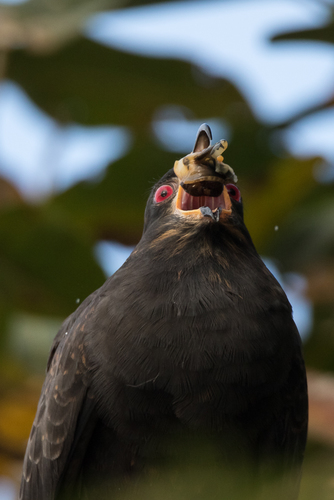 gavião-caramujeiro
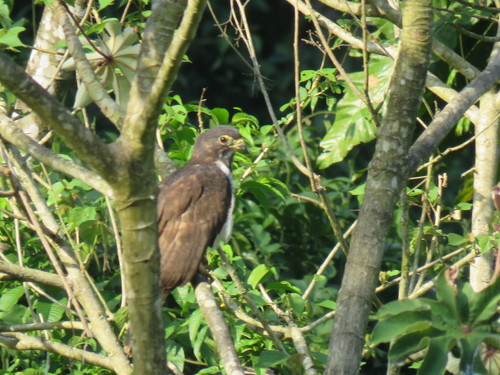 gavião-ripina
Em resumo
A plumagem juvenil é o separador mais confiável: Juvenis de gavião-caramujeiro e gavião-ripina apresentam partes superiores marrons e partes inferiores estriadas, mas diferem no padrão facial e na cauda. Gaviões-caramujeiros (todas as idades) têm uma asa longa, larga e arredondada, além de um rabo e uma parte inferior brancos, enquanto gaviões-ripina apresentam uma forma mais compacta, semelhante a um accipiter, e uma cauda com listras. Machos adultos são fáceis de identificar: o gavião-caramujeiro é cinza-azulado escuro com uma cera e pernas vermelhas, enquanto o gavião-ripina tem cabeça cinza com uma faixa branca na garganta e partes inferiores ruivas. O gavião-caramujeiro é muito maior e mais robusto, com um bico profundamente curvado, e é sempre encontrado perto de áreas úmidas, enquanto o gavião-ripina é uma espécie florestal. Se você ver um gavião voando baixo sobre pântanos com uma parte inferior branca, é um gavião-caramujeiro; um pequeno gavião com cauda listrada em floresta é um gavião-ripina.
Dicas de identificação
- Separação juvenil/imatura: Juvenis de gavião-caramujeiro têm uma coroa estriada, face esbranquiçada com marcas escuras, e uma parte inferior e coberturas de cauda brancas proeminentes visíveis em voo; imaturos de gavião-ripina têm uma parte superior marrom mais escura, partes inferiores brancas a cor de buff com listras verticais marrons ousadas, e não têm a parte inferior branca.
- Plumagem de machos adultos: Machos adultos de gavião-caramujeiro são cinza-azulado escuro com penas de voo mais escuras, pernas e cera vermelhas, e uma parte inferior branca; machos de gavião-ripina têm cabeça cinza com uma faixa branca na garganta, partes inferiores ruivas com listras cinzas/brancas, e uma cauda escura com listras cinzas.
- Plumagem de fêmeas adultas: Fêmeas de gavião-caramujeiro são marrons escuras acima, fortemente estriadas abaixo, com uma face esbranquiçada e pernas/cera amarelas/laranjas; fêmeas de gavião-ripina são semelhantes aos machos, mas com cores mais ricas e a mesma cauda listrada.
- Padrão da cauda: O gavião-caramujeiro tem uma cauda longa e arredondada com uma parte inferior branca e coberturas de cauda; o gavião-ripina tem uma cauda mais curta e listrada (três listras cinzas, ponta cinza) e não tem parte inferior branca.
- Estrutura do bico: O gavião-caramujeiro tem um bico longo, profundamente curvado e escuro, adaptado para extrair caramujos; o gavião-ripina tem um bico muito menor, menos curvado, com sutis entalhes semelhantes a dentes (não visíveis à distância).
- Cor das pernas e cera: O macho adulto de gavião-caramujeiro tem pernas e cera vermelhas; a fêmea adulta tem amarelas/laranjas. O gavião-ripina tem pernas amarelas e cera verde-amarelada em ambos os sexos.
- Forma de voo: O gavião-caramujeiro apresenta asas longas, largas e arredondadas e uma cauda longa, proporcionando um voo flutuante e lento; o gavião-ripina é mais compacto, com asas mais curtas e arredondadas e um voo rápido e ágil.
- Tamanho: O gavião-caramujeiro é muito maior e mais robusto (420 g vs 195 g), com uma envergadura e cauda visivelmente mais longas; o gavião-ripina é pequeno e semelhante a um accipiter.
- Habitat: O gavião-caramujeiro está sempre em ou perto de pântanos, lagos ou áreas úmidas com caramujos; o gavião-ripina é encontrado em florestas úmidas ou nas bordas da floresta, raramente perto de água aberta.
- Comportamento: O gavião-caramujeiro é frequentemente visto voando baixo sobre pântanos com a cabeça baixa; o gavião-ripina pousa silenciosamente na floresta ou segue bandos de macacos.
- Padrão facial: Juvenis de gavião-caramujeiro têm uma face pálida com marcas escuras; imaturos de gavião-ripina têm uma face menos contrastante.
- Cor dos olhos: Ambos têm olhos vermelhos como adultos, mas os juvenis de gavião-caramujeiro têm olhos marrons escuros.
- Postura empoleirada: O gavião-caramujeiro parece ter pernas longas e estar ereto; o gavião-ripina é mais compacto e horizontal quando empoleirado.
- Dimorfismo sexual: Ambas as espécies apresentam dimorfismo sexual limitado, mas no gavião-caramujeiro, as fêmeas são apenas ligeiramente maiores e diferem principalmente na cor da plumagem; no gavião-ripina, as fêmeas são mais ricas em cor, mas de outra forma semelhantes.
- Dicas contextuais: Se o pássaro estiver em um grupo ou empoleirado em pântanos, é provável que seja um gavião-caramujeiro; se solitário na floresta, é um gavião-ripina.
Tamanho
O gavião-caramujeiro é dramaticamente maior e mais pesado (média de 420 g vs 195 g) e mais longo (36–48 cm vs 29–35 cm). Sua envergadura também é muito maior (99–120 cm vs 60–72 cm). No campo, o gavião-caramujeiro parece ter asas largas e cauda longa, com um bico curvado e pesado. O gavião-ripina é muito mais compacto, com uma cauda mais curta e uma estrutura menor, semelhante a um accipiter. Mesmo à distância, a diferença de tamanho é impressionante, especialmente se ambos forem vistos empoleirados ou em voo.
Plumagem
-
Juvenis/imaturos: Ambas as espécies têm partes superiores marrons e partes inferiores estriadas, mas os juvenis de gavião-caramujeiro têm uma coroa estriada e uma face esbranquiçada com marcas escuras acima/atrás do olho, além de uma parte inferior e coberturas de cauda brancas visíveis em voo. Imaturos de gavião-ripina têm uma parte superior marrom mais escura, uma parte inferior branca a cor de buff com listras verticais marrons ousadas, e não têm a parte inferior branca; sua face é menos contrastante.
-
Machos adultos: O gavião-caramujeiro é cinza-azulado escuro em geral com penas de voo mais escuras, pernas e cera vermelhas, e uma parte inferior branca. O gavião-ripina tem uma cabeça cinza escura, garganta branca com uma faixa escura central, partes superiores cinzas mais claras, uma cauda escura com três listras cinzas e uma ponta cinza, e partes inferiores ruivas com listras. Os olhos são vermelhos em ambos, mas a cera e as pernas são vermelhas no gavião-caramujeiro, amareladas no gavião-ripina.
-
Fêmeas adultas: Fêmeas de gavião-caramujeiro são marrons escuras acima, fortemente estriadas e pálidas abaixo, com uma face esbranquiçada e pernas/cera amarelas/laranjas. Fêmeas de gavião-ripina são semelhantes aos machos, mas com cores mais ricas, e apresentam a mesma cauda listrada e partes inferiores ruivas. Ambos os sexos de gavião-ripina têm uma mancha de cobertura de cauda branca, mas não uma parte inferior branca completa.
-
Cauda: O gavião-caramujeiro tem uma cauda longa e arredondada com uma parte inferior branca e coberturas de cauda; o gavião-ripina tem uma cauda mais curta e escura com três listras cinzas e uma ponta cinza.
Comportamento
O gavião-caramujeiro é gregário, frequentemente visto em grupos ou grandes dormidas de inverno, voando lentamente e baixo sobre pântanos com a cabeça baixa em busca de caramujos. Seu voo é flutuante e constante, com asas largas e arredondadas e uma cauda longa. O gavião-ripina é tipicamente solitário ou em pares, frequentemente empoleirando-se silenciosamente na parte média da floresta ou seguindo bandos de macacos para capturar presas perturbadas. Seu voo é mais semelhante ao de um accipiter: rápido, ágil e direto, com asas mais curtas e arredondadas e uma cauda listrada. O gavião-caramujeiro raramente se empoleira em árvores, exceto perto da água, enquanto o gavião-ripina está quase sempre em ou perto do dossel da floresta.
Habitat
O gavião-caramujeiro está estritamente ligado a áreas úmidas de água doce, pântanos e lagos com abundantes caramujos, raramente se afastando muito de água aberta e vegetação de pântano. Ele está ausente do interior das florestas. O gavião-ripina é um especialista em florestas, encontrado em florestas úmidas de baixada e encostas, bordas de florestas e, às vezes, em crescimento secundário alto, mas quase nunca em áreas úmidas abertas. Se você ver um gavião em floresta densa, é quase certamente um gavião-ripina; se em pântano aberto, é um gavião-caramujeiro.