

Motmot

タニシトビ 対 ハバシトビ

Rostrhamus sociabilis 対 Harpagus bidentatus

タニシトビとハバシトビのクイズ
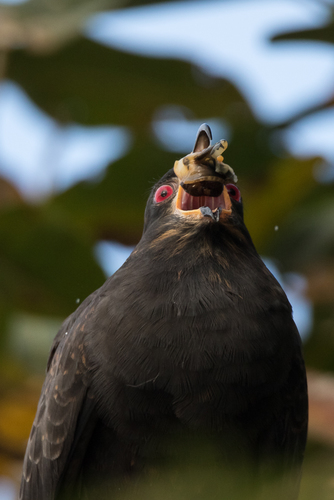
タニシトビ (Rostrhamus sociabilis) タニシトビ
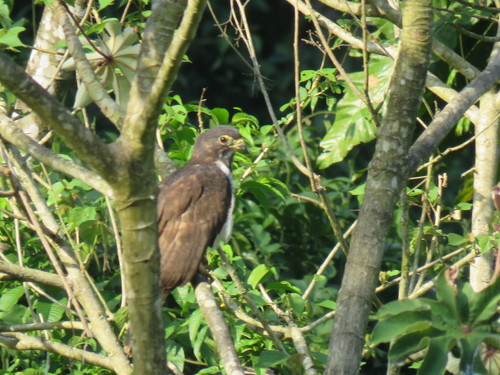
ハバシトビ (Harpagus bidentatus) ハバシトビ

メディア

読み込み中…

要点

幼鳥の羽色は最も信頼できる識別要因です: 幼鳥のタニシトビとハバシトビはどちらも茶色の上面と縞模様の下面を示しますが、顔の模様と尾で異なります。タニシトビ(全ての年齢)は長くて広い、丸みを帯びた翼と白い尾羽と尾の下部を持ち、ハバシトビはよりコンパクトで、タカのような形状と縞模様の尾を示します。成鳥のオスは簡単です:タニシトビは暗い青灰色で赤い頭部と脚を持ち、ハバシトビは灰色の頭に白い喉の縞と赤褐色の下面を持ちます。タニシトビははるかに大きくてずっしりとしており、深く湾曲したくちばしを持ち、常に湿地の近くに見られますが、ハバシトビは森林の種です。白い尾羽を持つタカが湿地の上を低く飛んでいるのを見たら、それはタニシトビです;森林の中の小さな縞模様の尾を持つ猛禽はハバシトビです。

識別のコツ

  1. 幼鳥/未成熟の識別: 幼鳥のタニシトビは縞模様の冠、暗い模様のある白っぽい顔、そして飛行中に目立つ白い尾羽と尾の下部を持っています;ハバシトビの未成熟個体はより暗い茶色の上面、太い縦の茶色の縞がある白からバフの下面を持ち、白い尾羽がありません。
  2. 成鳥のオスの羽色: タニシトビの成鳥のオスは暗い青灰色で、より暗い飛行羽、赤い脚と頭部、白い尾羽を持ちます;ハバシトビのオスは灰色の頭に白い喉の縞、赤褐色の下面に灰色/白の縞模様があり、黒っぽい尾に灰色の帯があります。
  3. 成鳥のメスの羽色: タニシトビのメスは上面が暗い茶色で、下面は濃い縞模様があり、白っぽい顔と黄色/オレンジの脚/頭部を持ちます;ハバシトビのメスはオスに似ていますが、色がより豊かで、同じ縞模様の尾を持ちます。
  4. 尾の模様: タニシトビは白い尾羽と尾の下部を持つ長くて丸い尾を持ち、ハバシトビは短くて縞模様のある尾(3本の灰色の帯、灰色の先端)を持ち、白い尾羽はありません。
  5. くちばしの構造: タニシトビは貝を取り出すために適応した長くて深く湾曲した暗いくちばしを持ち、ハバシトビははるかに小さく、湾曲が少ないくちばしを持ち、微妙な歯のような切れ込みがあります(遠くからは見えません)。
  6. 脚と頭部の色: 成鳥のオスのタニシトビは赤い脚と頭部を持ち、成鳥のメスは黄色/オレンジです。ハバシトビは両性ともに黄色の脚と緑がかった黄色の頭部を持ちます。
  7. 飛行の形: タニシトビは長くて広い、丸みを帯びた翼と長い尾を示し、浮遊感のある遅い飛行をします;ハバシトビはよりコンパクトで、短くて丸い翼と迅速で機敏な飛行をします。
  8. サイズ: タニシトビははるかに大きくてずっしりとしており(420 g 対 195 g)、翼幅と尾が明らかに長いです;ハバシトビは小さくてタカのようです。
  9. 生息地: タニシトビは常に湿地、湖、または貝が豊富な湿地の近くにいます;ハバシトビは湿った森林や森林の端に見られ、開水域の近くにはほとんどいません。
  10. 行動: タニシトビはしばしば頭を下げて湿地の上を低く飛んでいるのが見られ、ハバシトビは森林で静かに止まっているか、サルの群れを追いかけます。
  11. 顔の模様: 幼鳥のタニシトビは淡い顔に暗い模様があります;ハバシトビの未成熟個体は対照的な顔が少ないです。
  12. 目の色: 両者とも成鳥は赤い目を持ちますが、幼鳥のタニシトビは暗い茶色の目を持っています。
  13. 止まり方: タニシトビは長い脚で直立しているように見え、ハバシトビはよりコンパクトで水平に止まります。
  14. 性差: 両種は限られた性差を示しますが、タニシトビではメスはわずかに大きく、主に羽色が異なります;ハバシトビではメスは色がより豊かですが、その他は似ています。
  15. 文脈の手がかり: 鳥が群れにいるか湿地で止まっている場合、タニシトビの可能性が高いです;森林で孤立している場合はハバシトビです。

大きさ

タニシトビは劇的に大きくて重い(平均420 g 対 195 g)で、長さも(36–48 cm 対 29–35 cm)です。その翼幅もはるかに大きいです(99–120 cm 対 60–72 cm)。フィールドでは、タニシトビは広い翼と長い尾を持ち、明らかに重く湾曲したくちばしを持っているように見えます。ハバシトビははるかにコンパクトで、短い尾と小さくタカのような体型を持っています。遠くからでも、サイズの差は際立っており、特に両者が止まっているか飛んでいるのを見ると顕著です。

羽色

行動

タニシトビは群れで行動し、しばしば群れや大きな冬のねぐらで見られ、頭を下げて湿地の上をゆっくりと低く飛びながら貝を探しています。その飛行は浮遊感があり安定しており、広い丸い翼と長い尾を持っています。ハバシトビは通常、孤独またはペアで行動し、森林の中層で静かに止まっているか、サルの群れを追いかけて獲物を捕まえます。その飛行はよりタカのようで、迅速で機敏、直接的で、短い丸い翼と縞模様の尾を持っています。タニシトビは水の近くでない限り木に止まることはほとんどありませんが、ハバシトビはほぼ常に森林の樹冠の中または近くにいます。

生息環境

タニシトビは淡水湿地、湿地、そして豊富な貝がいる湖に厳密に結びついており、開水域や湿地の植生から遠く離れることはほとんどありません。森林の内部には存在しません。ハバシトビは森林の専門家で、湿った低地や丘陵の森林、森林の端、時には高い二次成長に見られますが、開いた湿地にはほとんどいません。密な森林で猛禽を見たら、それはほぼ確実にハバシトビです;開いた湿地にいる場合はタニシトビです。

より良い説明を送る

比較と同じ項目を使ってください。文章はすぐに公開されます。

Juvenile plumage is the most reliable separator: Juvenile Snail Kites and Double-toothed Kites both show brown upperparts and streaked underparts, but differ in face pattern and tail. Snail Kites (all ages) have a long, broad, rounded wing and a white rump and undertail, while Double-toothed Kites show a more compact, accipiter-like shape and a banded tail. Adult males are easy: Snail Kite is dark blue-gray with a red cere and legs, Double-toothed Kite is gray-headed with a white throat stripe and rufous underparts. Snail Kite is much larger and bulkier, with a deeply hooked bill, and is always found near wetlands, while Double-toothed Kite is a forest species. If you see a kite flying low over marshes with a white rump, it's a Snail Kite; a small, banded-tailed raptor in forest is Double-toothed.

  1. Juvenile/immature separation: Juvenile Snail Kites have a streaked crown, whitish face with dark markings, and a prominent white rump and undertail coverts visible in flight; Double-toothed Kite immatures have a darker brown upperpart, white to buff underparts with bold vertical brown streaks, and lack the white rump.
  2. Adult male plumage: Snail Kite adult males are dark blue-gray with darker flight feathers, red legs and cere, and a white rump; Double-toothed Kite males are gray-headed with a white throat stripe, rufous underparts with gray/white barring, and a blackish tail with gray bands.
  3. Adult female plumage: Snail Kite females are dark brown above, heavily streaked below, with a whitish face and yellow/orange legs/cere; Double-toothed Kite females are similar to males but with richer colors and the same banded tail.
  4. Tail pattern: Snail Kite has a long, rounded tail with a white rump and undertail coverts; Double-toothed Kite has a shorter, banded tail (three grayish bands, gray tip) and no white rump.
  5. Bill structure: Snail Kite has a long, deeply hooked, dark bill adapted for extracting snails; Double-toothed Kite has a much smaller, less hooked bill with subtle tooth-like notches (not visible at a distance).
  6. Leg and cere color: Adult male Snail Kite has red legs and cere; adult female has yellow/orange. Double-toothed Kite has yellow legs and greenish-yellow cere in both sexes.
  7. Flight shape: Snail Kite shows long, broad, rounded wings and a long tail, giving a buoyant, slow flight; Double-toothed Kite is more compact, with shorter, rounded wings and quick, agile flight.
  8. Size: Snail Kite is much larger and bulkier (420 g vs 195 g), with a noticeably longer wingspan and tail; Double-toothed Kite is small and accipiter-like.
  9. Habitat: Snail Kite is always in or near marshes, lakes, or wetlands with apple snails; Double-toothed Kite is found in humid forests or at forest edges, rarely near open water.
  10. Behavior: Snail Kite often seen flying low over marshes with head down; Double-toothed Kite perches quietly in forest or follows monkey troops.
  11. Face pattern: Snail Kite juveniles have a pale face with dark markings; Double-toothed Kite immatures have a less contrasting face.
  12. Eye color: Both have red eyes as adults, but juveniles of Snail Kite have dark brown eyes.
  13. Perched posture: Snail Kite appears long-legged and upright; Double-toothed Kite is more compact and horizontal when perched.
  14. Sexual dimorphism: Both species show limited sexual dimorphism, but in Snail Kite, females are only slightly larger and differ mainly in plumage color; in Double-toothed Kite, females are richer in color but otherwise similar.
  15. Context clues: If the bird is in a group or roosting in marshes, it's likely Snail Kite; if solitary in forest, Double-toothed Kite.

Snail Kite is dramatically larger and heavier (average 420 g vs 195 g) and longer (36–48 cm vs 29–35 cm). Its wingspan is also much greater (99–120 cm vs 60–72 cm). In the field, Snail Kite appears broad-winged and long-tailed, with a noticeably heavy, hooked bill. Double-toothed Kite is much more compact, with a shorter tail and smaller, accipiter-like frame. Even at a distance, the size gap is striking, especially if both are seen perched or in flight.

  • Juveniles/immatures: Both species have brown upperparts and streaked underparts, but Snail Kite juveniles have a streaked crown and a whitish face with dark markings above/behind the eye, plus a white rump and undertail coverts visible in flight. Double-toothed Kite immatures have a darker brown upperpart, a white to buff underpart with bold vertical brown streaks, and lack the white rump; their face is less contrasting.

  • Adult males: Snail Kite is dark blue-gray overall with darker flight feathers, red legs and cere, and a white rump. Double-toothed Kite has a dark gray head, white throat with a central dark stripe, lighter gray upperparts, a blackish tail with three grayish bands and a gray tip, and rufous underparts with barring. Eyes are red in both, but cere and legs are red in Snail Kite, yellowish in Double-toothed.

  • Adult females: Snail Kite females are dark brown above, heavily streaked pale below, with a whitish face and yellow/orange legs/cere. Double-toothed Kite females are similar to males but with richer colors, and show the same banded tail and rufous underparts. Both sexes of Double-toothed Kite have a white undertail covert patch, but not a full white rump.

  • Tail: Snail Kite has a long, rounded tail with a white rump and undertail coverts; Double-toothed Kite has a shorter, blackish tail with three grayish bands and a gray tip.

Snail Kite is gregarious, often seen in groups or large winter roosts, flying slowly and low over marshes with its head down searching for snails. Its flight is buoyant and steady, with broad, rounded wings and a long tail. Double-toothed Kite is typically solitary or in pairs, often perching quietly in forest midstory or following monkey troops to catch disturbed prey. Its flight is more accipiter-like: quick, agile, and direct, with shorter, rounded wings and a banded tail. Snail Kite rarely perches in trees except near water, while Double-toothed Kite is almost always in or near forest canopy.

Snail Kite is strictly tied to freshwater wetlands, marshes, and lakes with abundant apple snails, rarely straying far from open water and marsh vegetation. It is absent from forest interiors. Double-toothed Kite is a forest specialist, found in humid lowland and foothill forests, forest edges, and sometimes tall second growth, but almost never in open wetlands. If you see a raptor in dense forest, it's almost certainly Double-toothed Kite; if in open marsh, it's Snail Kite.

変更を破棄しますか?

保存していない編集があります。今離れると失われます。

タニシトビ · ハバシトビ · 苦手な鳥