

Snail Kite vs Double-toothed Kite
Rostrhamus sociabilis contro Harpagus bidentatus
Fai un quiz con Snail Kite e Double-toothed Kite
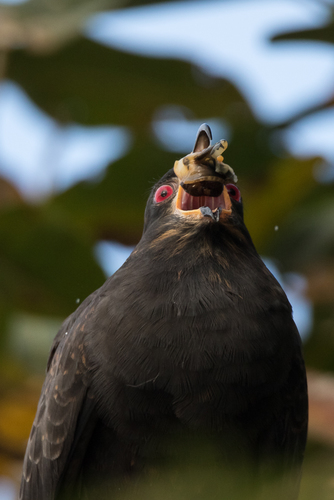 Snail Kite
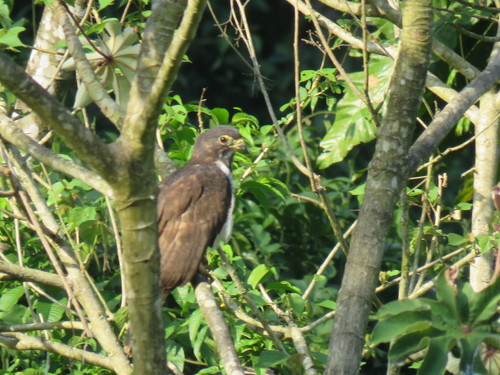 Double-toothed Kite
In breve
La livrea giovanile è il separatore più affidabile: I giovani Snail Kite e Double-toothed Kite mostrano entrambi parti superiori marroni e parti inferiori striate, ma differiscono nel motivo del viso e nella coda. Gli Snail Kite (di tutte le età) hanno un'ala lunga, ampia e arrotondata e un sopraccoda e sottocoda bianchi, mentre i Double-toothed Kite mostrano una forma più compatta, simile a un accipiter, e una coda a bande. I maschi adulti sono facili da identificare: lo Snail Kite è grigio-blu scuro con un cere e zampe rosse, il Double-toothed Kite è con testa grigia, una striscia bianca sulla gola e parti inferiori rugginose. Lo Snail Kite è molto più grande e massiccio, con un becco profondamente ricurvo, e si trova sempre vicino a zone umide, mentre il Double-toothed Kite è una specie forestale. Se vedi un kite volare basso sopra le paludi con un sopraccoda bianco, è uno Snail Kite; un rapace di piccole dimensioni con coda a bande nella foresta è un Double-toothed.
Consigli di identificazione
- Separazione giovanile/immatura: I giovani Snail Kite hanno una corona striata, un viso biancastro con segni scuri, e un sopraccoda e sottocoda bianchi ben visibili in volo; i giovani Double-toothed Kite hanno una parte superiore marrone più scura, parti inferiori bianche o color crema con strisce verticali marroni audaci, e mancano del sopraccoda bianco.
- Livrea dei maschi adulti: I maschi adulti di Snail Kite sono grigio-blu scuro con piume di volo più scure, zampe e cere rosse, e un sopraccoda bianco; i maschi di Double-toothed Kite hanno testa grigia con una striscia bianca sulla gola, parti inferiori rugginose con barrature grigie/bianche, e una coda nerastra con bande grigie.
- Livrea delle femmine adulte: Le femmine di Snail Kite sono marroni scure sopra, pesantemente striate sotto, con un viso biancastro e zampe/cere gialle/arancioni; le femmine di Double-toothed Kite sono simili ai maschi ma con colori più ricchi e la stessa coda a bande.
- Motivo della coda: Lo Snail Kite ha una coda lunga e arrotondata con un sopraccoda e sottocoda bianchi; il Double-toothed Kite ha una coda più corta e a bande (tre bande grigie, punta grigia) e nessun sopraccoda bianco.
- Struttura del becco: Lo Snail Kite ha un becco lungo, profondamente ricurvo e scuro, adattato per estrarre le lumache; il Double-toothed Kite ha un becco molto più piccolo, meno ricurvo, con sottili intagli simili a denti (non visibili da lontano).
- Colore delle zampe e del cere: Il maschio adulto di Snail Kite ha zampe e cere rosse; la femmina adulta ha giallo/arancione. Il Double-toothed Kite ha zampe gialle e cere giallo-verde in entrambi i sessi.
- Forma del volo: Lo Snail Kite mostra ali lunghe, ampie e arrotondate e una coda lunga, dando un volo galleggiante e lento; il Double-toothed Kite è più compatto, con ali più corte e arrotondate e un volo rapido e agile.
- Dimensioni: Lo Snail Kite è molto più grande e massiccio (420 g contro 195 g), con un'apertura alare e una coda visibilmente più lunghe; il Double-toothed Kite è piccolo e simile a un accipiter.
- Habitat: Lo Snail Kite si trova sempre in o vicino a paludi, laghi o zone umide con lumache di mele; il Double-toothed Kite si trova in foreste umide o ai margini delle foreste, raramente vicino ad acque aperte.
- Comportamento: Lo Snail Kite è spesso visto volare basso sopra le paludi con la testa bassa; il Double-toothed Kite si posa silenziosamente nella foresta o segue i gruppi di scimmie.
- Motivo del viso: I giovani Snail Kite hanno un viso chiaro con segni scuri; i giovani Double-toothed Kite hanno un viso meno contrastante.
- Colore degli occhi: Entrambi hanno occhi rossi da adulti, ma i giovani di Snail Kite hanno occhi marroni scuri.
- Postura in perching: Lo Snail Kite appare con zampe lunghe e erette; il Double-toothed Kite è più compatto e orizzontale quando è in perching.
- Dimorfismo sessuale: Entrambe le specie mostrano un dimorfismo sessuale limitato, ma nello Snail Kite, le femmine sono solo leggermente più grandi e differiscono principalmente nel colore della livrea; nel Double-toothed Kite, le femmine sono più ricche di colore ma altrimenti simili.
- Indizi contestuali: Se l'uccello è in gruppo o si riposa nelle paludi, è probabile che sia uno Snail Kite; se è solitario nella foresta, è un Double-toothed Kite.
Taglia
Lo Snail Kite è drammaticamente più grande e pesante (media 420 g contro 195 g) e più lungo (36–48 cm contro 29–35 cm). La sua apertura alare è anche molto maggiore (99–120 cm contro 60–72 cm). Sul campo, lo Snail Kite appare con ali larghe e coda lunga, con un becco pesante e ricurvo. Il Double-toothed Kite è molto più compatto, con una coda più corta e un corpo più piccolo, simile a un accipiter. Anche a distanza, il divario di dimensioni è sorprendente, specialmente se entrambi sono visti in perching o in volo.
Piumaggio
-
Giovani/immaturi: Entrambe le specie hanno parti superiori marroni e parti inferiori striate, ma i giovani Snail Kite hanno una corona striata e un viso biancastro con segni scuri sopra/dietro l'occhio, oltre a un sopraccoda e sottocoda bianchi visibili in volo. I giovani Double-toothed Kite hanno una parte superiore marrone più scura, una parte inferiore bianca o color crema con strisce verticali marroni audaci, e mancano del sopraccoda bianco; il loro viso è meno contrastante.
-
Maschi adulti: Lo Snail Kite è grigio-blu scuro nel complesso con piume di volo più scure, zampe e cere rosse, e un sopraccoda bianco. Il Double-toothed Kite ha una testa grigio scuro, una gola bianca con una striscia scura centrale, parti superiori grigie più chiare, una coda nerastra con tre bande grigie e una punta grigia, e parti inferiori rugginose con barrature. Gli occhi sono rossi in entrambi, ma il cere e le zampe sono rossi nello Snail Kite, giallastri nel Double-toothed.
-
Femmine adulte: Le femmine di Snail Kite sono marroni scure sopra, pesantemente striate chiare sotto, con un viso biancastro e zampe/cere gialle/arancioni. Le femmine di Double-toothed Kite sono simili ai maschi ma con colori più ricchi, e mostrano la stessa coda a bande e parti inferiori rugginose. Entrambi i sessi di Double-toothed Kite hanno una macchia bianca sul sottocoda, ma non un sopraccoda bianco completo.
-
Coda: Lo Snail Kite ha una coda lunga e arrotondata con un sopraccoda e sottocoda bianchi; il Double-toothed Kite ha una coda più corta e nerastra con tre bande grigie e una punta grigia.
Comportamento
Lo Snail Kite è gregario, spesso visto in gruppi o grandi dormitori invernali, volando lentamente e basso sopra le paludi con la testa bassa alla ricerca di lumache. Il suo volo è galleggiante e costante, con ali ampie e arrotondate e una coda lunga. Il Double-toothed Kite è tipicamente solitario o in coppie, spesso posandosi silenziosamente nella parte centrale della foresta o seguendo i gruppi di scimmie per catturare prede disturbate. Il suo volo è più simile a quello di un accipiter: rapido, agile e diretto, con ali più corte e arrotondate e una coda a bande. Lo Snail Kite raramente si posa sugli alberi, tranne che vicino all'acqua, mentre il Double-toothed Kite è quasi sempre nella parte superiore della foresta o vicino alla chioma della foresta.
Habitat
Lo Snail Kite è strettamente legato a zone umide d'acqua dolce, paludi e laghi con abbondanti lumache di mele, raramente allontanandosi molto da acque aperte e vegetazione palustre. È assente dagli interni forestali. Il Double-toothed Kite è uno specialista della foresta, trovato in foreste umide di pianura e di piede, ai margini delle foreste, e talvolta in seconde crescita alta, ma quasi mai in zone umide aperte. Se vedi un rapace in una foresta densa, è quasi certamente un Double-toothed Kite; se in una palude aperta, è uno Snail Kite.