

tordo-siberiano vs blue-and-white flycatcher
Geokichla sibirica versus Cyanoptila cyanomelana
Jogue um quiz com tordo-siberiano e blue-and-white flycatcher
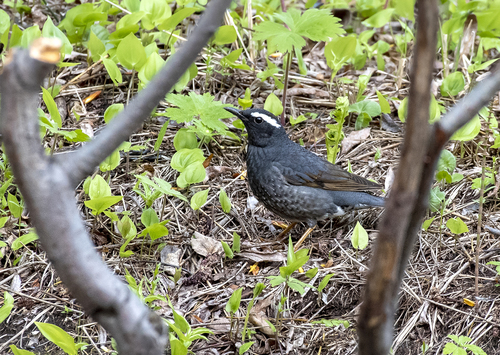 tordo-siberiano
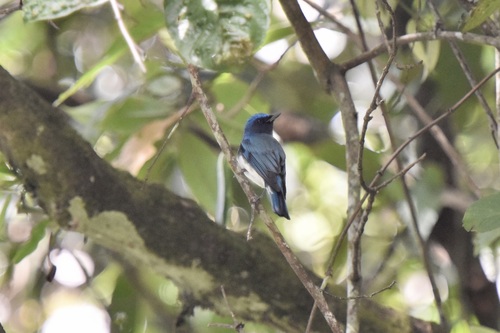 blue-and-white flycatcher
Em resumo
A marca de campo mais confiável para separar o tordo-siberiano do blue-and-white flycatcher é a faixa preta ousada nas asas inferiores brancas do tordo-siberiano, visível em voo em ambos os sexos e todas as idades—uma característica que o flycatcher não possui. Se você ver um pássaro em voo com esse padrão de asa inferior, é um tordo-siberiano. Empoleirados, os machos adultos do blue-and-white flycatcher são de um azul cobalto profundo por cima e brancos por baixo, enquanto os machos do tordo-siberiano são muito mais escuros no geral. Fêmeas e imaturos de ambas as espécies podem ser acastanhados, mas o flycatcher é menor, mais esguio e não possui o padrão distinto de asa inferior do tordo-siberiano. A estrutura e o tamanho também ajudam: o tordo-siberiano é muito mais pesado e robusto do que o flycatcher.
Dicas de identificação
- Padrão de asa inferior em voo (todas as idades, ambos os sexos): Se você ver uma faixa preta ousada nas asas inferiores brancas, é o tordo-siberiano. O blue-and-white flycatcher nunca mostra esse padrão.
- Tamanho e estrutura: O tordo-siberiano é muito mais robusto e pesado do que o blue-and-white flycatcher. O tordo tem uma construção robusta, semelhante a um tordo; o flycatcher é esguio, com cabeça pequena e delicada.
- Plumagem do macho adulto: Os machos do blue-and-white flycatcher são de um azul cobalto profundo por cima com partes inferiores brancas limpas e preto no rosto e no peito. Os machos do tordo-siberiano são escuros no geral, sem tons de azul.
- Confusão fêmea/imaturo: Ambos podem parecer acastanhados, mas as fêmeas/imaturos do flycatcher são menores, mais esguios e têm uma cabeça menor. As fêmeas do tordo-siberiano são mais robustas e ainda mostram o padrão de asa inferior em voo.
- Padrão da cauda: O blue-and-white flycatcher mostra uma mancha branca na base das penas da cauda externa, especialmente quando aberta. O tordo-siberiano não possui isso, mas tem a faixa na asa inferior.
- Postura empoleirada: Os flycatchers costumam empoleirar-se de forma ereta e alerta, às vezes batendo as asas e a cauda. Os tordos empoleiram-se mais horizontalmente e parecem mais pesados.
- Comportamento de forrageio: O tordo-siberiano é geralmente visto no chão, virando folhas ou se movendo pela vegetação rasteira. O blue-and-white flycatcher é mais frequentemente visto saltando de poleiros na copa média a alta.
- Uso do habitat: Durante a migração, ambos podem ocorrer em áreas arborizadas, mas o tordo-siberiano prefere cobertura densa e baixa, enquanto o flycatcher é mais arbóreo.
- Vocalizações: Se você ouvir um assobio curto e melancólico, é provavelmente o blue-and-white flycatcher. O canto do tordo-siberiano não é descrito aqui.
- Armadilhas de sexo/idade: Machos imaturos do flycatcher podem mostrar asas azuis, mas são de outra forma acastanhados—não os confunda com fêmeas de tordo; verifique o tamanho e a asa inferior em voo.
- Branco por baixo: Ambos podem mostrar partes inferiores brancas, mas apenas o flycatcher tem uma barriga branca limpa e nítida em machos adultos; o tordo é mais escuro e mais uniforme.
- Formato do bico: Não descrito em detalhes, mas os flycatchers geralmente têm um bico mais fino e pontudo do que o tordo mais robusto.
- Comparação direta: Se vistos juntos, o tamanho, a estrutura e o padrão da asa inferior tornam a separação simples. Sozinho, concentre-se na asa inferior em voo e na aparência geral.
- Contexto sazonal: Ambos são migrantes e podem se sobrepor em tempo e lugar, então não confie apenas na estação.
- Fallback: Se em dúvida e você não puder ver a asa inferior ou o tamanho, procure uma combinação de pistas estruturais e comportamentais, mas tenha cuidado com imaturos acastanhados de ambas as espécies.
Tamanho
O tordo-siberiano é quase três vezes mais pesado que o blue-and-white flycatcher (65g vs 23g) [wikidata]. No campo, o tordo-siberiano parece robusto e semelhante a um tordo, semelhante em volume a um tordo-pinto, enquanto o blue-and-white flycatcher é visivelmente menor, mais esguio e mais delicado, típico dos flycatchers. O flycatcher também tem uma cabeça proporcionalmente menor e uma construção mais leve e ágil. Se você ver ambos juntos, a diferença de tamanho é óbvia, mas tenha cuidado com pássaros solitários—use outras marcas também.
Plumagem
- Voo/asa inferior (todas as idades, ambos os sexos): O tordo-siberiano mostra uma faixa preta ousada nas asas inferiores brancas, visível em voo—uma característica única e diagnóstica entre os tordos e não presente no blue-and-white flycatcher em nenhuma idade [wikipedia].
- Machos adultos (empoleirados): Os machos do blue-and-white flycatcher são de um azul cobalto profundo por cima, com preto no rosto e no peito superior, e branco limpo por baixo. Os machos do tordo-siberiano são muito mais escuros no geral, sem tons de azul e com uma aparência mais uniforme.
- Fêmeas/imaturos: As fêmeas e jovens do blue-and-white flycatcher são acinzentadas e marrons por cima e pálidas por baixo, com uma cabeça menor e aparência mais delicada. Machos imaturos têm asas azuis, mas são de outra forma acastanhados. As fêmeas do tordo-siberiano também são acastanhadas, mas mais robustas, e ainda mostram a asa inferior preto e branca em voo. O flycatcher pode mostrar uma mancha branca na base das penas da cauda externa, mas não na asa inferior.
- Cauda: O blue-and-white flycatcher tem uma mancha branca proeminente na base das penas da cauda externa, especialmente visível quando aberta; o tordo-siberiano não possui isso.
Comportamento
O tordo-siberiano se comporta como um tordo típico: forrageia no chão, muitas vezes em folhas caídas, e se move com voos fortes e diretos. O blue-and-white flycatcher é mais arbóreo, saltando de poleiros para capturar insetos e frequentemente batendo as asas e a cauda. Em voo, o tordo-siberiano parece mais pesado e direto, enquanto o flycatcher é mais leve e ágil, com movimentos rápidos e repentinos. Empoleirado, o flycatcher pode parecer ereto e alerta, enquanto o tordo é mais horizontal e robusto.
Habitat
Ambas as espécies podem ocorrer em florestas de folhas largas ou mistas semelhantes durante a migração, mas o tordo-siberiano é mais provável de ser encontrado forrageando no chão, especialmente em vegetação densa ou perto das bordas da floresta. O blue-and-white flycatcher prefere poleiros mais altos na copa média a alta e é menos frequentemente visto no chão. Durante a migração, ambos podem se sobrepor em parques ou jardins arborizados, mas suas preferências de microhabitat diferem: procure o tordo baixo e o flycatcher mais alto.
Voz
O blue-and-white flycatcher tem uma série curta de assobios melancólicos, que podem ser diagnósticos se ouvidos. As vocalizações do tordo-siberiano não são descritas nas notas fornecidas, então não confie apenas na voz a menos que o flycatcher esteja cantando.
tordo-siberiano · blue-and-white flycatcher · Minhas aves difíceis