

Tordo siberiano vs Blue-and-white Flycatcher
Geokichla sibirica contro Cyanoptila cyanomelana
Fai un quiz con Tordo siberiano e Blue-and-white Flycatcher
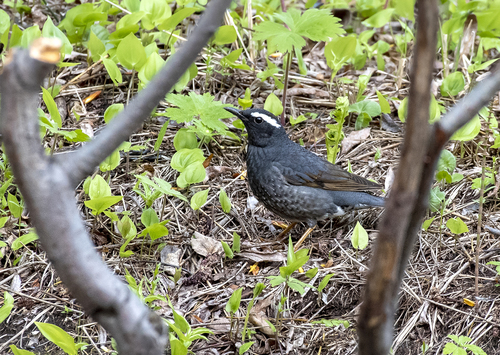 Tordo siberiano
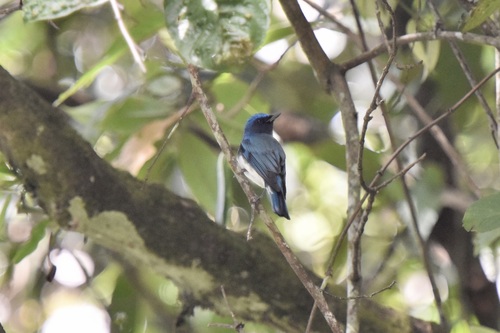 Blue-and-white Flycatcher
In breve
Il segno di campo più affidabile per separare il Tordo siberiano dal Blue-and-white Flycatcher è la bold black band sulle bianche sottoali del Tordo siberiano, visibile in volo in entrambi i sessi e tutte le età—una caratteristica che il flycatcher manca completamente. Se vedi un uccello in volo con questo schema di sottoala, è un Tordo siberiano. In posa, i maschi adulti di Blue-and-white Flycatcher sono di un blu cobalto profondo sopra e bianchi sotto, mentre i maschi di Tordo siberiano sono molto più scuri nel complesso. Le femmine e gli immaturi di entrambe le specie possono essere marroni, ma il flycatcher è più piccolo, più snello e manca del caratteristico schema di sottoala del Tordo siberiano. Anche la struttura e le dimensioni aiutano: il Tordo siberiano è molto più pesante e massiccio del flycatcher.
Consigli di identificazione
- Underwing pattern in flight (all ages, both sexes): Se vedi una bold black band sulle bianche sottoali, è un Tordo siberiano. Il Blue-and-white Flycatcher non mostra mai questo schema.
- Size and structure: Il Tordo siberiano è molto più massiccio e pesante del Blue-and-white Flycatcher. Il tordo ha una struttura robusta, simile a un tordo; il flycatcher è snello, con una testa piccola e delicato.
- Adult male plumage: I maschi di Blue-and-white Flycatcher sono di un blu cobalto profondo sopra con parti inferiori bianche pulite e nero sul viso e sul petto. I maschi di Tordo siberiano sono scuri nel complesso, privi di toni blu.
- Female/immature confusion: Entrambi possono apparire marroni, ma le femmine/gli immaturi di flycatcher sono più piccoli, più snelli e hanno una testa più piccola. Le femmine di Tordo siberiano sono più massicce e mostrano ancora il pattern di sottoala in volo.
- Tail pattern: Il Blue-and-white Flycatcher mostra una macchia bianca alla base delle penne della coda esterne, specialmente quando è aperta. Il Tordo siberiano manca di questo ma ha la banda di sottoala.
- Perched posture: I flycatchers spesso si posano eretti e all'erta, a volte sbattendo le ali e la coda. I tordi si posano più orizzontalmente e appaiono più pesanti.
- Foraging behavior: Il Tordo siberiano è solitamente visto a terra, girando le foglie o muovendosi attraverso la vegetazione. Il Blue-and-white Flycatcher è più spesso visto saltare da posatoi nella parte centrale o alta della chioma.
- Habitat use: Durante la migrazione, entrambi possono trovarsi in aree boschive, ma il Tordo siberiano preferisce coperture dense e basse, mentre il flycatcher è più arboricolo.
- Vocalizations: Se senti un fischio breve e malinconico, è probabile che sia un Blue-and-white Flycatcher. Il canto del Tordo siberiano non è descritto qui.
- Sex/age pitfalls: I maschi immaturi di flycatcher possono mostrare ali blu ma sono altrimenti marroni—non confonderli con le femmine di tordo; controlla le dimensioni e la sottoala in volo.
- White below: Entrambi possono mostrare parti inferiori bianche, ma solo il flycatcher ha un ventre bianco pulito e nitido nei maschi adulti; il tordo è più scuro e più uniforme.
- Bill shape: Non descritto in dettaglio, ma i flycatchers generalmente hanno un becco più fine e appuntito rispetto al tordo più robusto.
- Direct comparison: Se visti insieme, le dimensioni, la struttura e il pattern di sottoala rendono la separazione semplice. Da soli, concentrati sulla sottoala in volo e sull'aspetto generale.
- Seasonal context: Entrambi sono migratori e possono sovrapporsi nel tempo e nel luogo, quindi non fare affidamento solo sulla stagione.
- Fallback: Se hai dubbi e non puoi vedere la sottoala o le dimensioni, cerca una combinazione di indizi strutturali e comportamentali, ma fai attenzione agli immaturi marroni di entrambe le specie.
Taglia
Il Tordo siberiano è quasi tre volte più pesante del Blue-and-white Flycatcher (65g vs 23g) [wikidata]. Sul campo, il Tordo siberiano appare robusto e simile a un tordo, simile in volume a un Tordo bottaccio, mentre il Blue-and-white Flycatcher è notevolmente più piccolo, più snello e più delicato, tipico dei flycatchers. Il flycatcher ha anche una testa proporzionalmente più piccola e una struttura più leggera e agile. Se vedi entrambi insieme, la differenza di dimensioni è ovvia, ma fai attenzione agli uccelli solitari—usa anche altri segni.
Piumaggio
- Flight/underwing (all ages, both sexes): Il Tordo siberiano mostra una bold black band sulle bianche sottoali, visibile in volo—una caratteristica unica e diagnostica tra i tordi e non presente nel Blue-and-white Flycatcher a nessuna età [wikipedia].
- Adult males (perched): I maschi di Blue-and-white Flycatcher sono di un blu cobalto profondo sopra, con nero sul viso e sul petto superiore, e bianchi puliti sotto. I maschi di Tordo siberiano sono molto più scuri nel complesso, senza toni blu e un aspetto più uniforme.
- Females/immatures: Le femmine e i giovani Blue-and-white Flycatchers sono grigio-marroni sopra e pallidi sotto, con una testa più piccola e un aspetto più delicato. I maschi immaturi hanno ali blu ma sono altrimenti marroni. Le femmine di Tordo siberiano sono anche marroni ma più massicce, e mostrano ancora la sottoala bianca e nera in volo. Il flycatcher può mostrare una macchia bianca alla base delle penne della coda esterne, ma non sulla sottoala.
- Tail: Il Blue-and-white Flycatcher ha una macchia bianca prominente alla base delle penne della coda esterne, specialmente visibile quando è aperta; il Tordo siberiano manca di questo.
Comportamento
Il Tordo siberiano si comporta come un tipico tordo: cerca cibo a terra, spesso nel fogliame, e si muove con voli forti e diretti. Il Blue-and-white Flycatcher è più arboricolo, saltando da posatoi per catturare insetti e spesso sbattendo le ali e la coda. In volo, il Tordo siberiano appare più pesante e diretto, mentre il flycatcher è più leggero e agile, con movimenti rapidi e veloci. In posa, il flycatcher può apparire eretto e all'erta, mentre il tordo è più orizzontale e robusto.
Habitat
Entrambe le specie possono trovarsi in foreste simili a foglia larga o miste durante la migrazione, ma il Tordo siberiano è più probabile che venga trovato a cercare cibo a terra, specialmente in vegetazione densa o vicino ai margini della foresta. Il Blue-and-white Flycatcher preferisce posatoi più alti nella parte centrale o alta della chioma ed è meno spesso visto a terra. Durante la migrazione, entrambi possono sovrapporsi in parchi o giardini boschivi, ma le loro preferenze microambientali differiscono: cerca il tordo in basso e il flycatcher più in alto.
Voce
Il Blue-and-white Flycatcher ha una breve serie di fischi malinconici, che possono essere diagnostici se uditi. Le vocalizzazioni del Tordo siberiano non sono descritte nelle note fornite, quindi non fare affidamento solo sulla voce a meno che il flycatcher non stia cantando.
Tordo siberiano · Blue-and-white Flycatcher · I miei uccelli difficili