

Zorzal Siberiano vs Papamoscas Azul
Geokichla sibirica frente a Cyanoptila cyanomelana
Juega un quiz con Zorzal Siberiano y Papamoscas Azul
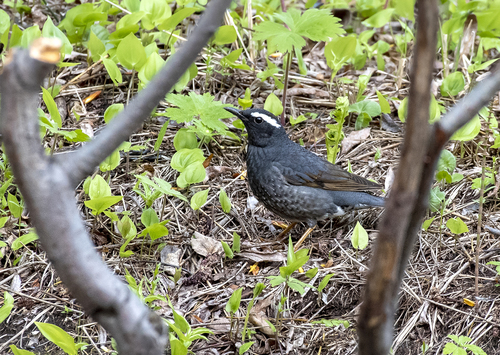 Zorzal Siberiano
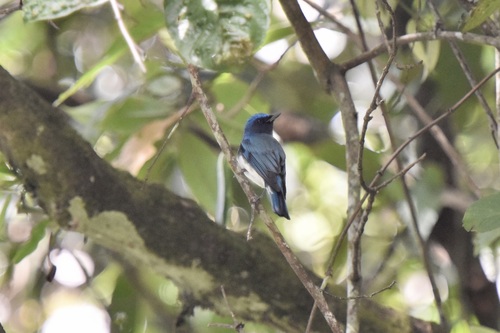 Papamoscas Azul
En breve
La marca de campo más confiable para separar el Zorzal Siberiano del Papamoscas Azul es la audaz banda negra en las alas inferiores blancas del Zorzal Siberiano, visible en vuelo en ambos sexos y todas las edades, una característica que el papamoscas carece por completo. Si ves un pájaro en vuelo con este patrón de alas inferiores, es un Zorzal Siberiano. Posado, los machos adultos de Papamoscas Azul son de un azul cobalto profundo por encima y blancos por debajo, mientras que los machos de Zorzal Siberiano son mucho más oscuros en general. Las hembras y los inmaduros de ambas especies pueden ser parduzcos, pero el papamoscas es más pequeño, más delgado y carece del patrón distintivo de alas inferiores del Zorzal Siberiano. La estructura y el tamaño también ayudan: el Zorzal Siberiano es mucho más pesado y voluminoso que el papamoscas.
Consejos de identificación
- Patrón de alas inferiores en vuelo (todas las edades, ambos sexos): Si ves una audaz banda negra en las alas inferiores blancas, es un Zorzal Siberiano. El Papamoscas Azul nunca muestra este patrón.
- Tamaño y estructura: El Zorzal Siberiano es mucho más voluminoso y pesado que el Papamoscas Azul. El zorzal tiene una construcción robusta, similar a un zorzal; el papamoscas es delgado, con cabeza pequeña y delicado.
- Plumaje de machos adultos: Los machos de Papamoscas Azul son de un azul cobalto profundo por encima con partes inferiores blancas limpias y negro en la cara y el pecho. Los machos de Zorzal Siberiano son oscuros en general, careciendo de tonos azules.
- Confusión hembra/inmaduro: Ambos pueden parecer parduzcos, pero las hembras/inmaduros de papamoscas son más pequeñas, más delgadas y tienen una cabeza más pequeña. Las hembras de Zorzal Siberiano son más voluminosas y aún muestran el patrón de alas inferiores en vuelo.
- Patrón de cola: El Papamoscas Azul muestra una mancha blanca en la base de las plumas de la cola exterior, especialmente cuando está desplegada. El Zorzal Siberiano carece de esto pero tiene la banda en las alas inferiores.
- Postura posada: Los papamoscas a menudo se posan erguidos y alertas, a veces moviendo las alas y la cola. Los zorzales se posan más horizontalmente y parecen más pesados.
- Comportamiento de forrajeo: El Zorzal Siberiano se ve generalmente en el suelo, volteando hojas o moviéndose a través de la maleza. El Papamoscas Azul se ve más a menudo lanzándose desde posaderos en el dosel medio a alto.
- Uso del hábitat: En migración, ambos pueden ocurrir en áreas boscosas, pero el Zorzal Siberiano prefiere cobertura densa y baja, mientras que el papamoscas es más arbóreo.
- Vocalizaciones: Si escuchas un silbido corto y melancólico, es probable que sea un Papamoscas Azul. El canto del Zorzal Siberiano no se describe aquí.
- Trampas de sexo/edad: Los machos inmaduros de papamoscas pueden mostrar alas azules pero son de otro modo parduzcos; no los confundas con hembras de zorzal; verifica el tamaño y las alas inferiores en vuelo.
- Blanco por debajo: Ambos pueden mostrar partes inferiores blancas, pero solo el papamoscas tiene un vientre blanco limpio en machos adultos; el zorzal es más oscuro y más uniforme.
- Forma del pico: No se describe en detalle, pero los papamoscas generalmente tienen un pico más fino y puntiagudo que el más robusto zorzal.
- Comparación directa: Si se ven juntos, el tamaño, la estructura y el patrón de alas inferiores hacen que la separación sea sencilla. Solo, concéntrate en las alas inferiores en vuelo y en la apariencia general.
- Contexto estacional: Ambos son migrantes y pueden superponerse en tiempo y lugar, así que no te bases solo en la temporada.
- Alternativa: Si tienes dudas y no puedes ver las alas inferiores o el tamaño, busca una combinación de pistas estructurales y de comportamiento, pero ten cuidado con los inmaduros parduzcos de ambas especies.
Tamaño
El Zorzal Siberiano es casi tres veces más pesado que el Papamoscas Azul (65g vs 23g) [wikidata]. En el campo, el Zorzal Siberiano parece robusto y similar a un zorzal, similar en volumen a un Zorzal Común, mientras que el Papamoscas Azul es notablemente más pequeño, más delgado y más delicado, típico de los papamoscas. El papamoscas también tiene una cabeza proporcionalmente más pequeña y una construcción más ligera y ágil. Si ves ambos juntos, la diferencia de tamaño es obvia, pero ten cuidado con pájaros solitarios; usa otras marcas también.
Plumaje
- Vuelo/alas inferiores (todas las edades, ambos sexos): El Zorzal Siberiano muestra una audaz banda negra en las alas inferiores blancas, visible en vuelo, una característica única y diagnóstica entre los zorzales y no presente en el Papamoscas Azul a ninguna edad [wikipedia].
- Machos adultos (posados): Los machos de Papamoscas Azul son de un azul cobalto profundo por encima, con negro en la cara y el pecho superior, y blanco limpio por debajo. Los machos de Zorzal Siberiano son mucho más oscuros en general, sin tonos azules y con una apariencia más uniforme.
- Hembras/inmaduros: Las hembras y jóvenes de Papamoscas Azul son de color gris-pardo por encima y pálidas por debajo, con una cabeza más pequeña y un aspecto más delicado. Los machos inmaduros tienen alas azules pero son de otro modo parduzcos. Las hembras de Zorzal Siberiano también son parduzcas pero más voluminosas, y aún muestran el patrón de alas negras y blancas en vuelo. El papamoscas puede mostrar una mancha blanca en la base de las plumas de la cola exterior, pero no en las alas inferiores.
- Cola: El Papamoscas Azul tiene una mancha blanca prominente en la base de las plumas de la cola exterior, especialmente visible cuando está desplegada; el Zorzal Siberiano carece de esto.
Comportamiento
El Zorzal Siberiano se comporta como un zorzal típico: forrajea en el suelo, a menudo en hojarasca, y se mueve con vuelos fuertes y directos. El Papamoscas Azul es más arbóreo, lanzándose desde posaderos para atrapar insectos y a menudo moviendo sus alas y cola. En vuelo, el Zorzal Siberiano parece más pesado y directo, mientras que el papamoscas es más ligero y ágil, con movimientos rápidos y zigzagueantes. Posado, el papamoscas puede parecer erguido y alerta, mientras que el zorzal es más horizontal y robusto.
Hábitat
Ambas especies pueden ocurrir en bosques de hojas anchas o mixtos similares durante la migración, pero el Zorzal Siberiano es más probable que se encuentre forrajeando en el suelo, especialmente en maleza densa o cerca de los bordes del bosque. El Papamoscas Azul prefiere posaderos más altos en el dosel medio a alto y se ve menos a menudo en el suelo. Durante la migración, ambos pueden superponerse en parques o jardines boscosos, pero sus preferencias de microhábitat difieren: busca el zorzal bajo y el papamoscas más arriba.
Voz
El Papamoscas Azul tiene una corta serie de silbidos melancólicos, que pueden ser diagnósticos si se escuchan. Las vocalizaciones del Zorzal Siberiano no se describen en las notas proporcionadas, así que no te bases solo en la voz a menos que el papamoscas esté cantando.