

cuco-brilhante vs little bronze-cuckoo
Chalcites lucidus versus Chalcites minutillus
Jogue um quiz com cuco-brilhante e little bronze-cuckoo
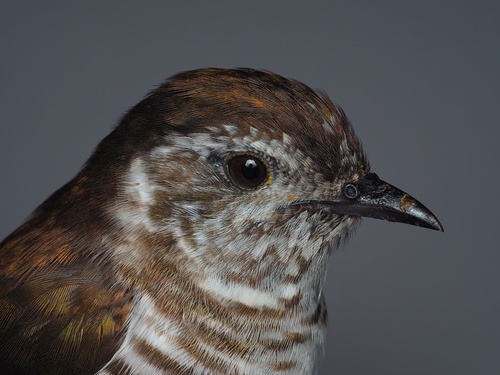 cuco-brilhante
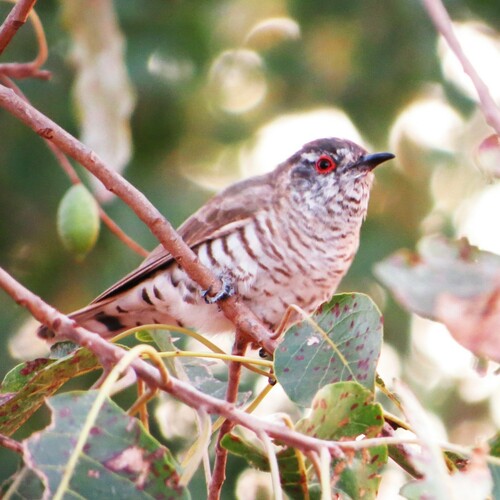 little bronze-cuckoo
Em resumo
A marca de campo mais confiável para separar o cuco-brilhante do little bronze-cuckoo é a presença de uma mancha branca ousada atrás do olho no little bronze-cuckoo, que está ausente no cuco-brilhante. Ambas as espécies apresentam partes superiores verdes metálicas e partes inferiores brancas com listras escuras, mas o cuco-brilhante é ligeiramente maior e tem um brilho cobre ou dourado, enquanto o little bronze-cuckoo é mais verde-bronze e notavelmente mais pequeno e esguio. Fêmeas e imaturos de ambas podem ser complicados, mas a bochecha branca e as listras mais extensas no cuco-brilhante, em comparação com a mancha branca pós-ocular e a construção mais esbelta do little bronze-cuckoo, são fundamentais. Em voo ou empoleirado, procure a combinação de estrutura e padrão facial antes de confiar em sutis diferenças de cor.
Dicas de identificação
- Mancha branca pós-ocular: O little bronze-cuckoo sempre apresenta uma mancha branca distinta atrás do olho, visível em todas as idades e sexos. O cuco-brilhante não possui essa marca.
- Padrão facial: O cuco-brilhante tem bochechas brancas e um rosto mais uniforme sem uma mancha pós-ocular. O rosto do little bronze-cuckoo é mais simples, exceto pela mancha branca.
- Cor das partes superiores: O cuco-brilhante é verde metálico dourado ou cobre acima, especialmente em boa luz. O little bronze-cuckoo é verde-bronze, sem os tons dourados ou cobre.
- Listras nas partes inferiores: Ambas têm partes inferiores brancas com listras escuras, mas as listras do cuco-brilhante são verdes escuras e podem ter um tom bronze nas fêmeas. As listras do little bronze-cuckoo são escuras, mas as partes inferiores são menos brilhantes no geral, especialmente em juvenis.
- Tamanho e estrutura: O cuco-brilhante é maior e mais robusto, com uma envergadura maior e uma construção mais pesada. O little bronze-cuckoo é visivelmente menor, mais leve e mais esguio, com uma cauda proporcionalmente mais longa.
- Bico e pés: Ambos têm bicos escuros, mas o cuco-brilhante tem as partes inferiores dos pés amarelas (raramente visíveis em campo). A forma do bico não é um separador forte.
- Anel orbital masculino: O macho adulto do little bronze-cuckoo tem um anel orbital vermelho, que está ausente no cuco-brilhante. Isso é sutil e pode não ser visível à distância.
- Brilho da coroa e nuca (fêmeas): A fêmea do cuco-brilhante pode mostrar um brilho arroxeado na coroa e na nuca, e listras com tom bronze abaixo. As fêmeas do little bronze-cuckoo são semelhantes aos machos, mas ligeiramente maiores.
- Brilho juvenil: O juvenil do little bronze-cuckoo é mais opaco e pode não ter manchas nas laterais, mas ainda possui a mancha branca pós-ocular. O juvenil do cuco-brilhante é mais brilhante abaixo e não possui a mancha.
- Estilo de voo: O little bronze-cuckoo é mais ágil e ondulante em voo, refletindo sua construção menor e mais leve. O cuco-brilhante é mais direto e menos tremulante.
- Contexto do hospedeiro: Ambos parasitam ninhos de Gerygone, então o contexto não é diagnóstico, mas o cuco-brilhante é mais provável de ser encontrado na Nova Zelândia e em algumas ilhas do Pacífico.
- Sobreposição geográfica: Se observado na Nova Zelândia, é quase certamente o cuco-brilhante. No norte da Austrália e na Nova Guiné, ambos são possíveis.
- Habitat: Ambos preferem áreas arborizadas com folhagem densa, então o habitat não é um separador forte.
- Armadilhas de plumagem: Ambos podem parecer semelhantes em luz fraca ou à distância, mas a mancha branca pós-ocular no little bronze-cuckoo é a marca de campo mais confiável. Não confie em sutis diferenças nas listras ou brilho, a menos que o rosto esteja claramente visível.
- Diferenças sexuais: Apenas o macho do little bronze-cuckoo apresenta um anel orbital vermelho. As diferenças entre fêmeas e juvenis são sutis e melhor separadas pela mancha branca e pelo tamanho/estrutura geral.
Tamanho
O cuco-brilhante é o maior dos dois, medindo 13–18 cm de comprimento e pesando cerca de 25 g, com uma envergadura de 25–32 cm. O little bronze-cuckoo é o menor cuco do mundo, com 15–16 cm e 14,5–17 g. Embora suas faixas de comprimento se sobreponham, o cuco-brilhante é geralmente mais robusto e com asas mais longas, enquanto o little bronze-cuckoo é distintamente mais leve e esguio, com uma cauda proporcionalmente mais longa para seu tamanho. As fêmeas do little bronze-cuckoo podem ser ligeiramente maiores que os machos, mas ainda assim menores que o cuco-brilhante no geral.
Plumagem
- Juvenis/Imaturos: Ambas as espécies têm partes inferiores brancas com listras escuras, mas os juvenis do little bronze-cuckoo são menos brilhantes no geral e podem não ter manchas nas laterais. A principal diferença é a mancha branca atrás do olho no little bronze-cuckoo de todas as idades, que o cuco-brilhante nunca apresenta. Nenhum padrão de asa específico para idade é descrito para ambas as espécies, então confie na plumagem do rosto e do corpo.
- Adultos: O cuco-brilhante tem partes superiores verdes metálicas douradas ou cobre, bochechas brancas e listras verdes escuras abaixo. As fêmeas têm um brilho arroxeado na coroa e na nuca e listras com tom bronze. Os adultos do little bronze-cuckoo são verde-bronze acima, com uma mancha branca pós-ocular, partes inferiores brancas com listras escuras e um anel orbital vermelho nos machos. Ambos têm bicos e pernas escuros, mas os pés do cuco-brilhante têm partes inferiores amarelas. A impressão geral é que o cuco-brilhante é mais brilhante e mais cobre, enquanto o little bronze-cuckoo é mais opaco e mais verde.
Comportamento
Ambas as espécies são secretivas e muitas vezes mais fáceis de ouvir do que ver, movendo-se rapidamente através da folhagem densa. O little bronze-cuckoo, sendo menor e mais esguio, é especialmente ágil e descrito como manobrando rapidamente através da vegetação com um voo direto, mas sutilmente ondulante. O cuco-brilhante também é ativo, mas parece ligeiramente mais robusto e menos delicado em movimento. Ambos parasitam ninhos em forma de cúpula de pequenos passeriformes, especialmente espécies de Gerygone, e geralmente são encontrados sozinhos ou em pares, em vez de em bandos.
Habitat
Ambas as espécies se sobrepõem em grande parte de sua distribuição, especialmente na Austrália e na Nova Guiné, e ambas favorecem habitats arborizados onde suas espécies hospedeiras nidificam. O cuco-brilhante tem uma distribuição mais ampla, alcançando a Nova Zelândia, Nova Caledônia, Vanuatu e as Ilhas Salomão, enquanto o little bronze-cuckoo é mais restrito, mas ainda amplamente distribuído na Australásia. Ambas estão associadas a habitats onde Gerygone e outros pequenos hospedeiros insetívoros são comuns. O habitat sozinho não é diagnóstico entre os dois.
cuco-brilhante · little bronze-cuckoo · Minhas aves difíceis