

Shining Bronze-Cuckoo vs Little Bronze-Cuckoo
Chalcites lucidus contro Chalcites minutillus
Fai un quiz con Shining Bronze-Cuckoo e Little Bronze-Cuckoo
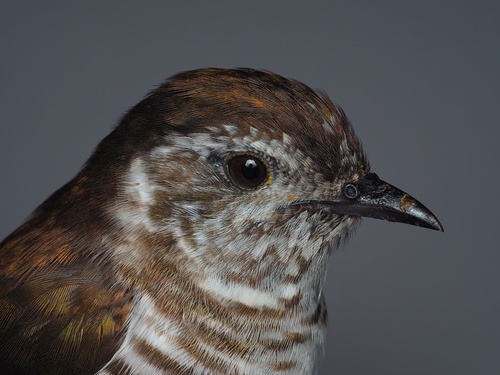 Shining Bronze-Cuckoo
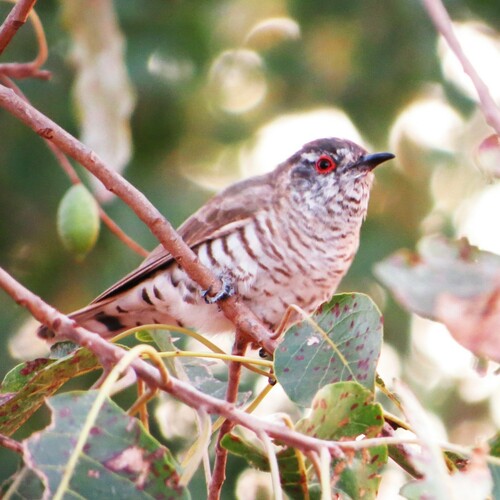 Little Bronze-Cuckoo
In breve
Il segno distintivo più affidabile per separare il Shining Bronze-Cuckoo dal Little Bronze-Cuckoo è la presenza di una macchia bianca audace dietro l'occhio sul Little Bronze-Cuckoo, che manca nel Shining Bronze-Cuckoo. Entrambe le specie mostrano parti superiori di colore verde metallico e parti inferiori bianche con barre scure, ma il Shining Bronze-Cuckoo è leggermente più grande e ha una lucentezza ramata o dorata, mentre il Little Bronze-Cuckoo è più verde bronzo e notevolmente più piccolo e snello. Le femmine e gli immaturi di entrambe le specie possono essere difficili da distinguere, ma la guancia bianca e le barre più estese sul Shining Bronze-Cuckoo, rispetto alla macchia post-oculare bianca e alla struttura più snella del Little Bronze-Cuckoo, sono fondamentali. In volo o posati, cerca la combinazione di struttura e pattern del volto prima di fare affidamento su sottili differenze di colore.
Consigli di identificazione
- White post-ocular spot: Il Little Bronze-Cuckoo mostra sempre una macchia bianca distintiva dietro l'occhio, visibile in tutte le età e sessi. Il Shining Bronze-Cuckoo manca completamente di questo segno.
- Face pattern: Il Shining Bronze-Cuckoo ha guance bianche e un volto più uniforme senza una macchia post-oculare. Il volto del Little Bronze-Cuckoo è più semplice, tranne per la macchia bianca.
- Upperparts color: Il Shining Bronze-Cuckoo è di un verde metallico dorato o ramato sopra, specialmente in buona luce. Il Little Bronze-Cuckoo è verde bronzo, privo delle tonalità dorate o ramate.
- Underparts barring: Entrambi hanno parti inferiori bianche con barre scure, ma le barre del Shining Bronze-Cuckoo sono di un verde scuro e possono avere una sfumatura bronzo nelle femmine. Le barre del Little Bronze-Cuckoo sono scure, ma le parti inferiori sono complessivamente meno brillanti, specialmente nei giovanili.
- Size and structure: Il Shining Bronze-Cuckoo è più grande e robusto, con un'apertura alare più lunga e una struttura più pesante. Il Little Bronze-Cuckoo è notevolmente più piccolo, più leggero e più snello, con una coda proporzionalmente più lunga.
- Bill and feet: Entrambi hanno becchi scuri, ma il Shining Bronze-Cuckoo ha le parti inferiori dei piedi gialle (raramente visibili sul campo). La forma del becco non è un separatore forte.
- Male orbital ring: Il maschio adulto del Little Bronze-Cuckoo ha un anello orbitale rosso, assente nel Shining Bronze-Cuckoo. Questo è sottile e potrebbe non essere visibile da lontano.
- Crown and nape sheen (females): La femmina del Shining Bronze-Cuckoo può mostrare una lucentezza purpurea sulla corona e sulla nuca, e barre con sfumature bronzo sotto. Le femmine del Little Bronze-Cuckoo sono simili ai maschi ma leggermente più grandi.
- Juvenile brightness: Il giovanile del Little Bronze-Cuckoo è più opaco e potrebbe mancare di maculature sui fianchi, ma ha comunque la macchia post-oculare bianca. Il giovanile del Shining Bronze-Cuckoo è più brillante sotto e manca della macchia.
- Flight style: Il Little Bronze-Cuckoo è più agile e ondulato in volo, riflettendo la sua struttura più piccola e leggera. Il Shining Bronze-Cuckoo è più diretto e meno fluttuante.
- Host context: Entrambi parassitano i nidi delle Gerygone, quindi il contesto non è diagnostico, ma il Shining Bronze-Cuckoo è più probabile in Nuova Zelanda e alcune isole del Pacifico.
- Geographic overlap: Se osservato in Nuova Zelanda, è quasi certamente il Shining Bronze-Cuckoo. Nel nord dell'Australia e in Nuova Guinea, entrambe le specie sono possibili.
- Habitat: Entrambi preferiscono aree boschive con folta vegetazione, quindi l'habitat non è un forte separatore.
- Plumage pitfalls: Entrambi possono apparire simili in scarsa luce o a distanza, ma la macchia post-oculare bianca sul Little Bronze-Cuckoo è il segno distintivo più affidabile. Non fare affidamento su differenze sottili nelle barre o nella lucentezza a meno che il volto non sia chiaramente visibile.
- Sex differences: Solo il maschio del Little Bronze-Cuckoo mostra un anello orbitale rosso. Le differenze tra femmine e giovanili sono sottili e meglio separate dalla macchia bianca e dalla dimensione/struttura complessiva.
Taglia
Il Shining Bronze-Cuckoo è il più grande dei due, misurando 13–18 cm di lunghezza e pesando circa 25 g, con un'apertura alare di 25–32 cm. Il Little Bronze-Cuckoo è il cuculo più piccolo del mondo, con una lunghezza di 15–16 cm e un peso di 14,5–17 g. Sebbene le loro lunghezze si sovrappongano, il Shining Bronze-Cuckoo è generalmente più robusto e con ali più lunghe, mentre il Little Bronze-Cuckoo è decisamente più leggero e snello, con una coda proporzionalmente più lunga per la sua dimensione. Le femmine del Little Bronze-Cuckoo possono essere leggermente più grandi dei maschi, ma comunque più piccole del Shining Bronze-Cuckoo nel complesso.
Piumaggio
- Juveniles/Immatures: Entrambe le specie hanno parti inferiori bianche con barre scure, ma i giovanili del Little Bronze-Cuckoo sono complessivamente meno brillanti e potrebbero mancare di maculature sui fianchi. La differenza chiave è la macchia bianca dietro l'occhio nel Little Bronze-Cuckoo di tutte le età, che il Shining Bronze-Cuckoo non mostra mai. Non sono descritti pattern distintivi specifici per l'età per nessuna delle due specie, quindi fai affidamento sul volto e sul piumaggio del corpo.
- Adults: Il Shining Bronze-Cuckoo ha parti superiori di colore verde metallico dorato o ramato, guance bianche e barre verdi scure sotto. Le femmine hanno una lucentezza purpurea sulla corona e sulla nuca e barre con sfumature bronzo. Gli adulti del Little Bronze-Cuckoo sono verde bronzo sopra, con una macchia post-oculare bianca, parti inferiori bianche con barre scure e un anello orbitale rosso nei maschi. Entrambi hanno becchi e zampe scure, ma i piedi del Shining Bronze-Cuckoo hanno parti inferiori gialle. L'impressione complessiva è che il Shining Bronze-Cuckoo sia più brillante e più ramato, mentre il Little Bronze-Cuckoo è più opaco e più verde.
Comportamento
Entrambe le specie sono riservate e spesso più facili da sentire che da vedere, muovendosi rapidamente attraverso la folta vegetazione. Il Little Bronze-Cuckoo, essendo più piccolo e snello, è particolarmente agile e descritto come in grado di manovrare rapidamente attraverso la vegetazione con un volo diretto ma leggermente ondulato. Anche il Shining Bronze-Cuckoo è attivo ma appare leggermente più robusto e meno delicato nei movimenti. Entrambi parassitano i nidi a forma di cupola di piccoli passeriformi, specialmente delle specie di Gerygone, e si trovano tipicamente da soli o in coppie piuttosto che in stormi.
Habitat
Entrambe le specie si sovrappongono in gran parte del loro areale, specialmente in Australia e Nuova Guinea, e entrambe favoriscono habitat boschivi dove nidificano le loro specie ospiti. Il Shining Bronze-Cuckoo ha una distribuzione più ampia, raggiungendo Nuova Zelanda, Nuova Caledonia, Vanuatu e le Isole Salomone, mentre il Little Bronze-Cuckoo è più ristretto ma comunque diffuso in Australasia. Entrambi sono associati a habitat dove le Gerygone e altri piccoli ospiti insettivori sono comuni. L'habitat da solo non è diagnostico tra i due.
Shining Bronze-Cuckoo · Little Bronze-Cuckoo · I miei uccelli difficili