

seychelles white-eye vs malagasy white-eye
Zosterops modestus versus Zosterops maderaspatanus
Jogue um quiz com seychelles white-eye e malagasy white-eye
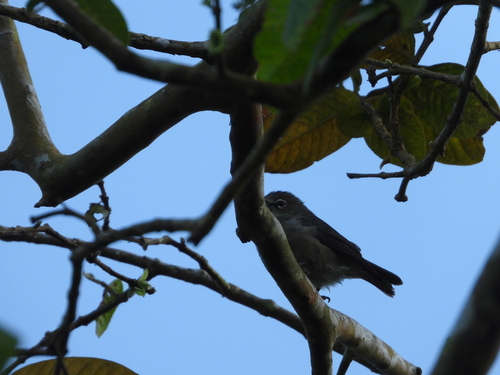 seychelles white-eye
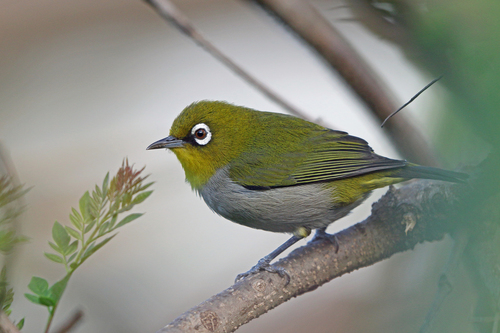 malagasy white-eye
Em resumo
A marca de campo mais confiável entre o seychelles white-eye e o malagasy white-eye é a coloração das partes inferiores: o seychelles white-eye tem partes inferiores uniformemente coloridas e opacas, enquanto o malagasy white-eye apresenta uma garganta amarela distinta e um ventre cinza pálido. Ambas as espécies têm partes superiores em tons de oliva e um anel ocular branco, mas o anel ocular é completo e estreito no seychelles white-eye, e incompleto (quebrado na frente) no malagasy white-eye. As diferenças estruturais são sutis, mas o seychelles white-eye é ligeiramente mais pesado e tem uma cauda mais longa e escura. O habitat e a abundância também são fundamentais: o seychelles white-eye é raro e local no dossel das Seychelles, enquanto o malagasy white-eye é amplamente distribuído em Madagascar e nas Seychelles, frequentemente em uma variedade de habitats florestais.
Dicas de identificação
- Cor das partes inferiores: O seychelles white-eye tem partes inferiores opacas e uniformes, enquanto o malagasy white-eye apresenta uma garganta amarela clara e um ventre cinza pálido. Esta é a diferença mais visível em boa luz.
- Anel ocular: O anel ocular do seychelles white-eye é estreito e completo, cercando totalmente o olho. O do malagasy white-eye é incompleto, quebrado na frente (especialmente óbvio em distâncias curtas ou em fotos).
- Cor da garganta: Apenas o malagasy white-eye tem uma garganta amarela; a garganta do seychelles white-eye é opaca e combina com o restante das partes inferiores.
- Partes superiores: Ambos são oliva por cima, mas o malagasy white-eye é descrito como um verde-oliva mais escuro, enquanto o seychelles white-eye é cinza-oliva. Isso é sutil e pode ser afetado pela iluminação.
- Cauda: O seychelles white-eye tem uma cauda bastante longa e cinza-escura, que pode parecer mais proeminente quando empoleirada ou agitada.
- Cor do bico: O malagasy white-eye apresenta um bico bicolor (mandíbula superior preta, inferior cinza), enquanto o bico do seychelles white-eye não é descrito como distintamente bicolor nas descrições disponíveis.
- Cor dos olhos: O malagasy white-eye tem um olho marrom-avermelhado, que pode ser visível em distâncias curtas; a cor dos olhos do seychelles white-eye não é especificada, mas não é notada como avermelhada.
- Habitat e distribuição: Se visto em Madagascar, é o malagasy white-eye. Nas Seychelles, verifique o habitat: o seychelles white-eye é raro, local e prefere o dossel alto; o malagasy white-eye é comum e encontrado em uma variedade de habitats florestais.
- Abundância: O seychelles white-eye é muito raro e difícil de encontrar; o malagasy white-eye é amplamente distribuído e comum em habitat adequado.
- Comportamento: O seychelles white-eye é secreto e forrageia alto no dossel; o malagasy white-eye é mais adaptável e frequentemente mais fácil de observar.
- Canção: Se uma canção complexa, melodiosa e nasal for ouvida, considere o seychelles white-eye, mas a falta de canção não é diagnóstica.
- Reprodução cooperativa: Apenas o seychelles white-eye é conhecido por reprodução cooperativa complexa, mas isso não é uma marca de campo.
- Pássaros juvenis/imaturos: Nenhuma marca específica de idade é descrita para qualquer uma das espécies; use características de plumagem adulta para todas as idades.
- Em voo: Nenhuma diferença diagnóstica de padrão de voo ou asa é descrita; concentre-se na cor das partes inferiores e no anel ocular, se visível.
- Armadilhas: Luz fraca pode obscurecer a garganta amarela e o anel ocular incompleto do malagasy white-eye, fazendo-o parecer mais com o seychelles white-eye. Sempre tente obter múltiplas visualizações e note o contexto.
Tamanho
Ambas as espécies são muito semelhantes em tamanho, com o seychelles white-eye pesando em média 12,0 g e o malagasy white-eye 11,2 g [wikidata]. O comprimento é quase idêntico, em torno de 10–11 cm. No campo, essas diferenças são negligenciáveis e improváveis de serem úteis para separação. Qualquer diferença de tamanho percebida é mais provável devido à postura ou ângulo de visão.
Plumagem
- Plumagem juvenil/imatura: Nenhuma diferença específica de padrão de asa ou voo é descrita para qualquer uma das espécies; ambas carecem de marcas distintivas de asa juvenil nas fontes disponíveis.
- Plumagem adulta: O seychelles white-eye tem partes superiores cinza-oliva e partes inferiores opacas, com um anel ocular branco estreito e completo e uma cauda bastante longa e cinza-escura. O malagasy white-eye é um verde-oliva mais escuro por cima, com uma garganta amarela e um peito e ventre cinza pálido. Seu anel ocular branco é incompleto, quebrado na frente, e o olho em si é marrom-avermelhado. O bico do malagasy white-eye é bicolor (mandíbula superior preta, inferior cinza), enquanto o bico do seychelles white-eye é descrito como pequeno e afiado, mas não especificamente bicolor. As partes inferiores do seychelles white-eye são mais uniformemente opacas, sem o contraste da garganta amarela e do ventre pálido do malagasy white-eye.
Comportamento
O seychelles white-eye é difícil de observar, frequentemente forrageando alto no dossel e exibindo um comportamento de reprodução cooperativa complexo, único entre os white-eyes. O malagasy white-eye é mais adaptável, encontrado em uma variedade de habitats florestais, e geralmente mais fácil de ver. Ambos são pássaros ativos, semelhantes a tentilhões, mas os hábitos secretos e a raridade do seychelles white-eye tornam muito menos provável o seu encontro, exceto em localidades específicas.
Habitat
O seychelles white-eye é endêmico e extremamente local nas Seychelles, preferindo o dossel alto em áreas florestais. O malagasy white-eye é amplamente distribuído em Madagascar e também ocorre nas Seychelles, ocupando uma ampla gama de habitats florestais, incluindo florestas secas, florestas úmidas de planície e montanhas, e manguezais. Se o pássaro for visto fora das Seychelles ou em um habitat diferente do dossel denso da floresta, é quase certamente o malagasy white-eye.
Voz
O seychelles white-eye tem uma canção melodiosa e complexa com tons nasais. Nenhuma descrição vocal específica é dada para o malagasy white-eye nas fontes disponíveis. A voz é improvável de ser diagnóstica, a menos que a canção do seychelles white-eye seja ouvida e reconhecida, mas na prática, a maior parte da separação em campo dependerá da plumagem e do contexto.
seychelles white-eye · malagasy white-eye · Minhas aves difíceis