

Seychelles White-eye vs Malagasy White-eye
Zosterops modestus contro Zosterops maderaspatanus
Fai un quiz con Seychelles White-eye e Malagasy White-eye
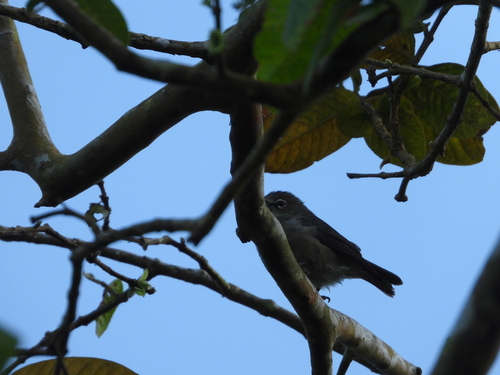 Seychelles White-eye
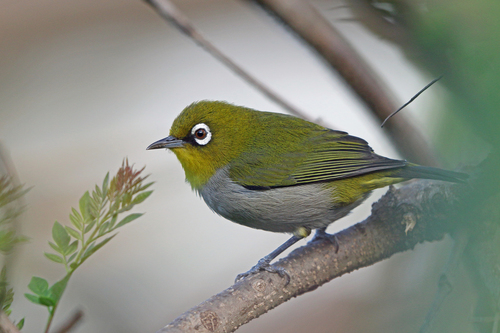 Malagasy White-eye
In breve
Il segno distintivo più affidabile tra Seychelles White-eye e Malagasy White-eye è la colorazione delle parti inferiori: Seychelles White-eye ha parti inferiori opache e uniformemente colorate, mentre Malagasy White-eye mostra una gola gialla distintiva e un ventre grigio chiaro. Entrambe le specie hanno parti superiori di tonalità oliva e un anello oculare bianco, ma l'anello oculare è completo e stretto in Seychelles White-eye, e incompleto (interrotto davanti) in Malagasy White-eye. Le differenze strutturali sono sottili, ma Seychelles White-eye è leggermente più pesante e ha una coda più lunga e scura. L'habitat e l'abbondanza sono anche chiave: Seychelles White-eye è raro e locale nella chioma delle Seychelles, mentre Malagasy White-eye è diffuso in Madagascar e nelle Seychelles, spesso in una varietà di habitat boschivi.
Consigli di identificazione
- Underpart color: Seychelles White-eye ha parti inferiori uniformemente opache, mentre Malagasy White-eye mostra una gola gialla chiara e un ventre grigio chiaro. Questa è la differenza più visibile in buona luce.
- Eye-ring: L'anello oculare di Seychelles White-eye è stretto e completo, circondando completamente l'occhio. Quello di Malagasy White-eye è incompleto, interrotto davanti (soprattutto evidente a distanza ravvicinata o in foto).
- Throat color: Solo Malagasy White-eye ha una gola gialla; la gola di Seychelles White-eye è opaca e corrisponde al resto delle parti inferiori.
- Upperparts: Entrambi sono oliva sopra, ma Malagasy White-eye è descritto come di un verde oliva più scuro, mentre Seychelles White-eye è grigio oliva. Questa è sottile e può essere influenzata dall'illuminazione.
- Tail: Seychelles White-eye ha una coda piuttosto lunga e grigio scuro, che può apparire più prominente quando è posato o scossa.
- Bill color: Malagasy White-eye mostra un becco bicolore (superiore nero, inferiore grigio), mentre il becco di Seychelles White-eye non è descritto come distintamente bicolore nelle descrizioni disponibili.
- Eye color: Malagasy White-eye ha un occhio marrone rossiccio, che può essere visibile a distanza ravvicinata; il colore dell'occhio di Seychelles White-eye non è specificato ma non è notato come rossiccio.
- Habitat and range: Se visto in Madagascar, è Malagasy White-eye. Nelle Seychelles, controlla l'habitat: Seychelles White-eye è raro, locale e preferisce la chioma alta; Malagasy White-eye è comune e si trova in una varietà di habitat boschivi.
- Abundance: Seychelles White-eye è molto raro e difficile da trovare; Malagasy White-eye è diffuso e comune in habitat adatti.
- Behavior: Seychelles White-eye è riservato e cerca cibo in alto nella chioma; Malagasy White-eye è più adattabile e spesso più facile da osservare.
- Song: Se si sente un canto complesso, melodioso e nasale, considera Seychelles White-eye, ma la mancanza di canto non è diagnostica.
- Cooperative breeding: Solo Seychelles White-eye è noto per la complessa riproduzione cooperativa, ma questo non è un segno distintivo sul campo.
- Juvenile/immature birds: Non sono descritti segni distintivi specifici per età per nessuna delle due specie; utilizza le caratteristiche del piumaggio adulto per tutte le età.
- In flight: Non sono descritte differenze diagnostiche nel volo o nel pattern delle ali; concentrati sul colore delle parti inferiori e sull'anello oculare se visibile.
- Pitfalls: Una scarsa illuminazione può offuscare la gola gialla e l'anello oculare incompleto di Malagasy White-eye, facendolo apparire più simile a Seychelles White-eye. Cerca sempre di ottenere più visuali e annota il contesto.
Taglia
Entrambe le specie sono molto simili in dimensioni, con Seychelles White-eye che pesa in media 12,0 g e Malagasy White-eye 11,2 g [wikidata]. La lunghezza è quasi identica, intorno ai 10–11 cm. Sul campo, queste differenze sono trascurabili e poco utili per la separazione. Qualsiasi differenza di dimensione percepita è più probabile che sia dovuta alla postura o all'angolo di visualizzazione.
Piumaggio
- Juvenile/immature plumage: Non sono descritte differenze specifiche per età nel pattern delle ali superiori o nel volo per nessuna delle due specie; entrambe mancano di segni distintivi per le ali juvenile nelle fonti disponibili.
- Adult plumage: Seychelles White-eye ha parti superiori grigio oliva e parti inferiori opache, con un anello oculare bianco stretto e completo e una coda piuttosto lunga e grigio scuro. Malagasy White-eye è di un verde oliva più scuro sopra, con una gola gialla e un petto e ventre grigio chiaro. Il suo anello oculare bianco è incompleto, interrotto davanti, e l'occhio stesso è marrone rossiccio. Il becco di Malagasy White-eye è bicolore (mandibola superiore nera, inferiore grigia), mentre il becco di Seychelles White-eye è descritto come piccolo e affilato ma non specificamente bicolore. Le parti inferiori di Seychelles White-eye sono più uniformemente opache, mancando del contrasto tra la gola gialla e il ventre chiaro di Malagasy White-eye.
Comportamento
Seychelles White-eye è difficile da osservare, spesso cerca cibo in alto nella chioma e mostra un comportamento complesso di riproduzione cooperativa unico tra i white-eye. Malagasy White-eye è più adattabile, si trova in una gamma di habitat boschivi ed è generalmente più facile da vedere. Entrambi sono uccelli attivi, simili a warbler, ma le abitudini riservate e la rarità di Seychelles White-eye lo rendono molto meno probabile da incontrare se non in località specifiche.
Habitat
Seychelles White-eye è endemico e estremamente locale nelle Seychelles, preferendo la chioma alta in aree boschive. Malagasy White-eye è diffuso in Madagascar e si trova anche nelle Seychelles, occupando una vasta gamma di habitat boschivi, tra cui foreste secche, foreste umide di pianura e montane, e mangrovie. Se l'uccello viene visto al di fuori delle Seychelles o in un habitat diverso dalla chioma densa della foresta, è quasi certamente Malagasy White-eye.
Voce
Seychelles White-eye ha un canto melodioso e complesso con toni nasali. Non è fornita alcuna descrizione vocale specifica per Malagasy White-eye nelle fonti disponibili. La voce è poco probabile che sia diagnostica a meno che non si senta e riconosca il canto di Seychelles White-eye, ma in pratica, la maggior parte della separazione sul campo si baserà sul piumaggio e sul contesto.
Seychelles White-eye · Malagasy White-eye · I miei uccelli difficili