

rufous-breasted sparrowhawk vs milhafre-preto
Accipiter rufiventris versus Milvus migrans
Jogue um quiz com rufous-breasted sparrowhawk e milhafre-preto
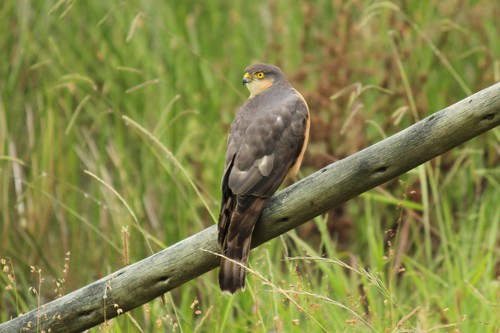 rufous-breasted sparrowhawk
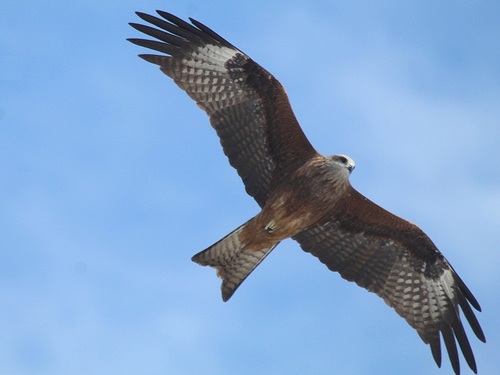 milhafre-preto
Em resumo
A marca de campo mais confiável entre esses dois é o tamanho e a forma: milhafre-preto é muito maior, com asas longas e largas e uma cauda levemente bifurcada, enquanto o rufous-breasted sparrowhawk é um accipiter pequeno e compacto, com asas curtas e arredondadas e uma cauda reta ou ligeiramente arredondada. Em voo, o sparrowhawk exibe barras ousadas em ambas as asas e na cauda, e os adultos têm partes inferiores rufas distintas, enquanto o milhafre é overall marrom escuro com cabeça e partes inferiores mais claras, sem qualquer rufus. Os sparrowhawks juvenis podem ter listras embaixo, mas nunca mostram a silhueta de asas longas do milhafre ou a cauda bifurcada. Se você vê um rapinante pequeno, rápido e de peito largo com partes inferiores rufas ou listradas e sem cauda bifurcada, é o sparrowhawk; um grande rapinante escuro, planando com uma cauda levemente bifurcada é o milhafre.
Dicas de identificação
- Tamanho e Estrutura: milhafre-preto é muito maior e com asas mais longas do que o rufous-breasted sparrowhawk. Se o pássaro parece grande, com uma envergadura superior a um metro, é o milhafre.
- Forma da Cauda em Voo: milhafre-preto sempre mostra uma cauda levemente bifurcada, especialmente quando planando; rufous-breasted sparrowhawk tem uma cauda reta ou ligeiramente arredondada, nunca bifurcada.
- Forma da Asa: Milhafres têm asas longas e largas com um leve dihedral (forma de V) ao planarem; sparrowhawks têm asas curtas e arredondadas, adequadas para bater rapidamente e manobrar entre as árvores.
- Estilo de Voo: milhafre-preto planam e deslizam sem esforço, frequentemente circulando alto; sparrowhawk voa com batidas rápidas das asas e deslizes curtos, raramente planando por muito tempo.
- Cor das Partes Inferiores: O adulto rufous-breasted sparrowhawk tem partes inferiores rufas ricas; milhafre-preto é marrom claro embaixo, nunca rufus. Sparowhawks juvenis são listrados, mas ainda mostram algum rufus ou branco, não marrom claro uniforme.
- Cor das Partes Superiores: Sparrowhawk é cinza ardósia escuro por cima; milhafre é marrom com cabeça e pescoço mais claros.
- Barras nas Asas e Cauda: Sparrowhawk (todas as idades) mostra barras ousadas nas asas e na cauda, visíveis em voo; as asas e a cauda do milhafre são mais uniformemente marrons com algumas barras transversais, mas nunca tão ousadas.
- Padrão Facial: milhafre-preto tem uma mancha mais escura atrás do olho e uma cabeça mais clara; sparrowhawk não tem uma mancha escura ao redor do olho ou sobrancelha branca.
- Cor dos Olhos: Os olhos do sparrowhawk são amarelos em todas as idades; o cera e a boca do milhafre são amarelos, mas a cor dos olhos não é destacada como distintiva.
- Bico e Pernas: Ambos têm bicos pretos e pernas amarelas, não úteis para separação.
- Contexto de Habitat: Milhafres são comuns em áreas abertas, cidades e água; sparrowhawks ficam nas bordas de florestas e jardins.
- Comportamento: Milhafres são frequentemente vistos em grupos, planando ou se alimentando; sparrowhawks são solitários ou em pares, caçando por surpresa.
- Vocalização: Se você ouvir um assobio agudo e um relincho, é o milhafre; sparrowhawk geralmente é silencioso ou emite chamadas agudas não descritas aqui.
- Postura em Descanso: Milhafres pousam eretos e parecem grandes e de cauda longa; sparrowhawks são compactos, de peito largo e frequentemente pousam em cobertura.
- Armadilhas: Sparowhawks juvenis podem parecer listrados embaixo, mas sempre verifique o tamanho, a forma da cauda e o estilo de voo—milhafres nunca são pequenos, nunca se movem rapidamente pela cobertura e nunca mostram rufus.
Tamanho
milhafre-preto é dramaticamente maior, com uma média de 828 g de massa corporal e uma envergadura em torno de 150 cm, em comparação com os 195 g e 72 cm de envergadura do rufous-breasted sparrowhawk. O tamanho do milhafre é óbvio em comparação direta, mas mesmo sozinho, suas asas longas e largas e cauda longa se destacam. O sparrowhawk é um rapinante pequeno e compacto, mais próximo em tamanho de um pombo, enquanto o milhafre é quase quatro vezes mais pesado e com asas muito mais longas.
Plumagem
- Juvenil/Imaturo: Sparowhawks juvenis rufous-breasted têm listras embaixo, com listras escuras no eixo das partes inferiores, mas sempre mostram algum rufus ou branco com listras, e barras ousadas nas asas e na cauda. Milhafres juvenis são overall marrons, com cabeça e partes inferiores mais claras, listras escuras no eixo, e não têm tons rufus; suas partes inferiores são marrons claras, não rufas, e as partes superiores são marrons com uma mancha mais escura atrás do olho.
- Adulto: Sparowhawks adultos têm um peito e barriga rufas distintos, cinza ardósia escuro por cima, e barras ousadas nas asas e na cauda. Milhafres são overall marrons escuros, com uma cabeça e pescoço mais claros, uma mancha escura atrás do olho, e uma cauda levemente bifurcada. A plumagem do milhafre nunca é rufa e carece de barras fortes nas partes inferiores ou na cauda. Ambas as espécies têm pernas amarelas e bicos pretos, mas os olhos do sparrowhawk são amarelos em todas as idades, enquanto o cera e a boca do milhafre são amarelos.
Comportamento
O rufous-breasted sparrowhawk caça principalmente por surpresa, saindo de coberturas ou fazendo voos rápidos para capturar pequenos pássaros, e geralmente é visto sozinho ou em pares, movendo-se rapidamente e baixo. milhafre-preto é frequentemente visto planando ou circulando alto no céu, às vezes em grupos, e é um necrófago, bem como um caçador, frequentemente deslizando com as asas mantidas em um dihedral raso. O voo do milhafre é flutuante e sem esforço, enquanto o do sparrowhawk é rápido, com explosões de batidas e deslizes curtos.
Habitat
Ambas as espécies podem ocorrer em regiões sobrepostas da África subsaariana, mas o rufous-breasted sparrowhawk prefere bordas de florestas, matas e, às vezes, jardins, geralmente perto de coberturas. milhafre-preto é altamente adaptável, encontrado em áreas abertas, perto de água, áreas urbanas e frequentemente ao redor de assentamentos humanos, onde se alimenta. Se visto planando sobre campos abertos ou cidades, é provável que seja um milhafre; um pequeno rapinante correndo pela floresta é mais provável que seja o sparrowhawk.
Voz
milhafre-preto tem um assobio agudo distinto seguido por um chamado rápido de relincho, frequentemente ouvido quando planando ou perto do ninho. As vocalizações do rufous-breasted sparrowhawk não estão detalhadas nas notas, então a voz é apenas diagnóstica se o chamado do milhafre for ouvido.
rufous-breasted sparrowhawk · milhafre-preto · Minhas aves difíceis