

Rufous-breasted Sparrowhawk vs Nibbio bruno
Accipiter rufiventris contro Milvus migrans
Fai un quiz con Rufous-breasted Sparrowhawk e Nibbio bruno
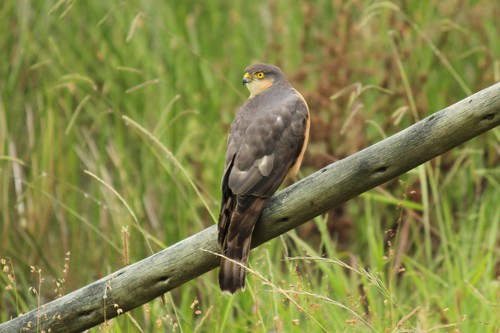 Rufous-breasted Sparrowhawk
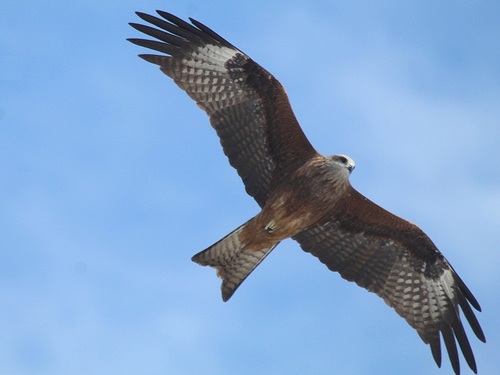 Nibbio bruno
In breve
Il segno di campo più affidabile tra questi due è la dimensione e la forma: Nibbio bruno è molto più grande, con ali lunghe e larghe e una coda poco forked, mentre il Rufous-breasted Sparrowhawk è un accipiter piccolo e compatto con ali corte e arrotondate e una coda dritta o leggermente arrotondata. In volo, il falco mostra barre audaci su entrambe le ali e la coda, e gli adulti hanno parti inferiori rufous distintive, mentre il nibbio è complessivamente marrone scuro con testa e parti inferiori più chiare, senza alcun rufous. I falchi giovanili possono avere striature sotto, ma non mostrano mai la silhouette ad ali lunghe del nibbio o la coda forked. Se vedi un rapace piccolo, veloce e con petto a botte con parti inferiori rufous o striate e senza coda forked, è il falco; un grande rapace scuro in volo con una coda poco forked è il nibbio.
Consigli di identificazione
- Dimensione e Struttura: Nibbio bruno è molto più grande e ha ali più lunghe rispetto al Rufous-breasted Sparrowhawk. Se l'uccello sembra grande, con un'apertura alare superiore a un metro, è il nibbio.
- Forma della Coda in Volo: Nibbio bruno mostra sempre una coda poco forked, specialmente quando vola; il Rufous-breasted Sparrowhawk ha una coda dritta o leggermente arrotondata, mai forked.
- Forma dell'Ala: I nibbio hanno ali lunghe e larghe con un leggero dihedrale (forma a V) in planata; i falchi hanno ali corte e arrotondate adatte per un battito rapido e per manovrare tra gli alberi.
- Stile di Volo: Nibbio bruno vola e plana senza sforzo, spesso circling in alto; il falco vola con battiti d'ala rapidi e planate brevi, raramente vola per lungo tempo.
- Colore delle Parti Inferiori: L'adulto Rufous-breasted Sparrowhawk ha parti inferiori rufous ricche; il Nibbio bruno è marrone chiaro sotto, mai rufous. I falchi giovanili sono striati ma mostrano ancora alcune tonalità rufous o bianche, non marrone chiaro uniforme.
- Colore delle Parti Superiori: Il falco è grigio ardesia scuro sopra; il nibbio è marrone con una testa e un collo più chiari.
- Barre sulle Ali e sulla Coda: Il falco (tutte le età) mostra barre audaci su ali e coda, visibili in volo; le ali e la coda del nibbio sono più uniformemente marroni con alcune barre trasversali ma mai così audaci.
- Schema Facciale: Nibbio bruno ha una macchia più scura dietro l'occhio e una testa più chiara; il falco non ha una macchia scura attorno all'occhio o un sopracciglio bianco.
- Colore degli Occhi: Gli occhi del falco sono gialli a tutte le età; il cere e la bocca del nibbio sono gialli, ma il colore degli occhi non è evidenziato come distintivo.
- Becco e Zampe: Entrambi hanno becchi neri e zampe gialle, non utili per la separazione.
- Contesto dell'Habitat: I nibbio sono comuni su aree aperte, città e acqua; i falchi si attaccano ai margini dei boschi e ai giardini.
- Comportamento: I nibbio sono spesso visti in gruppi, volando o cercando cibo; i falchi sono solitari o in coppie, cacciando per sorpresa.
- Vocalizzazione: Se senti un fischio acuto e un nitrito, è il nibbio; il falco è solitamente silenzioso o emette richiami acuti non descritti qui.
- Postura in Perch: I nibbio si posano eretti e sembrano grandi e con coda lunga; i falchi sono compatti, con petto a botte, e spesso si posano in copertura.
- Trappole: I falchi giovanili possono sembrare striati sotto, ma controlla sempre la dimensione, la forma della coda e lo stile di volo: i nibbio non sono mai piccoli, non si muovono mai rapidamente attraverso la copertura e non mostrano mai rufous.
Taglia
Nibbio bruno è drammaticamente più grande, con una massa corporea media di 828 g e un'apertura alare di circa 150 cm, rispetto ai 195 g e 72 cm di apertura alare del Rufous-breasted Sparrowhawk. La dimensione del nibbio è ovvia in un confronto diretto, ma anche da solo, le sue ali lunghe e larghe e la lunga coda si distinguono. Il falco è un rapace piccolo e compatto, più vicino in dimensione a un piccione, mentre il nibbio è quasi quattro volte più pesante e ha ali molto più lunghe.
Piumaggio
- Giovanile/Immature: I falchi giovanili Rufous-breasted sono striati sotto, con striature scure sullo stelo delle parti inferiori, ma mostrano sempre alcune tonalità rufous o bianche con striature, e barre audaci su ali e coda. I nibbio giovanili sono complessivamente marroni, con testa e parti inferiori più chiare, striature scure sullo stelo, e mancano di tonalità rufous; le loro parti inferiori sono marrone chiaro, non rufous, e le parti superiori sono marroni con una macchia più scura dietro l'occhio.
- Adulto: I falchi adulti hanno un petto e una pancia rufous distintivi, grigio ardesia scuro sopra, e barre audaci sulle ali e sulla coda. I Nibbio bruno sono complessivamente marroni scuri, con una testa e un collo più chiari, una macchia scura dietro l'occhio, e una coda poco forked. Il piumaggio del nibbio non è mai rufous e manca di barre forti sulle parti inferiori o sulla coda. Entrambe le specie hanno zampe gialle e becchi neri, ma gli occhi del falco sono gialli a tutte le età, mentre il cere e la bocca del nibbio sono gialli.
Comportamento
Il Rufous-breasted Sparrowhawk caccia principalmente per sorpresa, scattando dalla copertura o facendo voli rapidi per catturare piccoli uccelli, ed è solitamente visto da solo o in coppie, muovendosi rapidamente e in basso. Il Nibbio bruno è spesso visto volare o circling in alto nel cielo, a volte in gruppi, ed è un spazzino oltre che un cacciatore, spesso planando con le ali tenute in un dihedrale poco profondo. Il volo del nibbio è galleggiante e senza sforzo, mentre quello del falco è rapido, con esplosioni di battiti d'ala e planate brevi.
Habitat
Entrambe le specie possono verificarsi in regioni sovrapposte dell'Africa sub-sahariana, ma il Rufous-breasted Sparrowhawk preferisce i margini delle foreste, i boschi e a volte i giardini, di solito vicino alla copertura. Il Nibbio bruno è altamente adattabile, trovato in campagna aperta, vicino all'acqua, in aree urbane, e spesso attorno agli insediamenti umani, dove cerca cibo. Se visto volare sopra campi aperti o città, è probabile che sia un nibbio; un piccolo rapace che scatta attraverso il bosco è più probabile che sia il falco.
Voce
Il Nibbio bruno ha un fischio acuto distintivo seguito da un richiamo rapido e nitrito, spesso udibile quando vola o vicino al nido. Le vocalizzazioni del Rufous-breasted Sparrowhawk non sono dettagliate nelle note, quindi la voce è diagnostica solo se si sente il richiamo del nibbio.
Rufous-breasted Sparrowhawk · Nibbio bruno · I miei uccelli difficili