

Gavilán Papirrufo vs Milano Negro
Accipiter rufiventris frente a Milvus migrans
Juega un quiz con Gavilán Papirrufo y Milano Negro
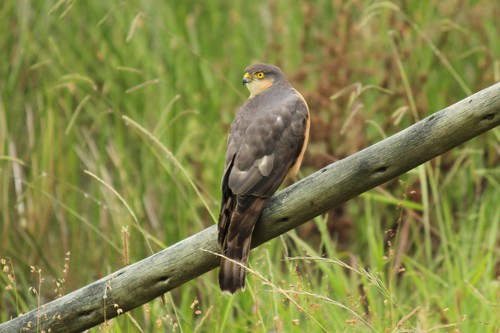 Gavilán Papirrufo
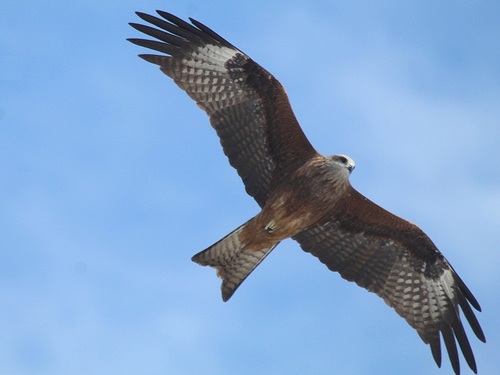 Milano Negro
En breve
La marca de campo más confiable entre estos dos es el tamaño y la forma: el Milano Negro es mucho más grande, con alas largas y anchas y una cola poco ahorquillada, mientras que el Gavilán Papirrufo es un accipiter pequeño y compacto con alas cortas y redondeadas y una cola recta o ligeramente redondeada. En vuelo, el gavilán muestra barras audaces en ambas alas y en la cola, y los adultos tienen partes inferiores rufas distintivas, mientras que el milano es en general marrón oscuro con cabeza y partes inferiores más claras, careciendo de cualquier tono rufus. Los gavilán jóvenes pueden tener estrías en la parte inferior, pero nunca muestran la silueta de alas largas del milano o la cola ahorquillada. Si ves un ave rapaz pequeña, rápida, con pecho en barril y partes inferiores rufas o estriadas y sin cola ahorquillada, es el gavilán; un gran rapaz oscura que vuela alto con una cola poco ahorquillada es el milano.
Consejos de identificación
- Tamaño y Estructura: El Milano Negro es mucho más grande y con alas más largas que el Gavilán Papirrufo. Si el ave parece grande, con una envergadura de más de un metro, es el milano.
- Forma de la Cola en Vuelo: El Milano Negro siempre muestra una cola poco ahorquillada, especialmente cuando vuela alto; el Gavilán Papirrufo tiene una cola recta o ligeramente redondeada, nunca ahorquillada.
- Forma del Ala: Los milanos tienen alas largas y anchas con un ligero dihedral (forma de V) en el planeo; los gavilán tienen alas cortas y redondeadas adecuadas para aleteos rápidos y maniobras entre los árboles.
- Estilo de Vuelo: El Milano Negro vuela y planea sin esfuerzo, a menudo girando alto; el gavilán vuela con aleteos rápidos y planeos cortos, rara vez vuela alto por mucho tiempo.
- Color de las Partes Inferiores: El Gavilán Papirrufo adulto tiene partes inferiores rufas ricas; el Milano Negro es marrón claro por debajo, nunca rufus. Los gavilán jóvenes tienen estrías pero aún muestran algo de rufus o blanco, no marrón claro uniforme.
- Color de las Partes Superiores: El gavilán es de un gris pizarra oscuro por encima; el milano es marrón con una cabeza y cuello más claros.
- Barras en Alas y Cola: El gavilán (todas las edades) muestra barras audaces en alas y cola, visibles en vuelo; las alas y cola del milano son más uniformemente marrones con algunas barras transversales pero nunca tan audaces.
- Patrón Facial: El Milano Negro tiene una mancha más oscura detrás del ojo y una cabeza más clara; el gavilán carece de una mancha oscura alrededor del ojo o ceja blanca.
- Color de los Ojos: Los ojos del gavilán son amarillos a todas las edades; el cere y la boca del milano son amarillos, pero el color de los ojos no se destaca como distintivo.
- Pico y Piernas: Ambos tienen picos negros y piernas amarillas, no útiles para la separación.
- Contexto del Hábitat: Los milanos son comunes sobre áreas abiertas, ciudades y agua; los gavilán se adhieren a los bordes de los bosques y jardines.
- Comportamiento: Los milanos a menudo se ven en grupos, planeando o buscando alimento; los gavilán son solitarios o en parejas, cazando por sorpresa.
- Vocalización: Si escuchas un silbido agudo y un relincho, es el milano; el gavilán generalmente es silencioso o emite llamados agudos no descritos aquí.
- Postura en Reposo: Los milanos se posan erguidos y lucen grandes y de cola larga; los gavilán son compactos, con pecho en barril, y a menudo se posan en la cobertura.
- Trampas: Los gavilán jóvenes pueden parecer estriados por debajo, pero siempre verifica el tamaño, la forma de la cola y el estilo de vuelo: los milanos nunca son pequeños, nunca se lanzan a través de la cobertura y nunca muestran rufus.
Tamaño
El Milano Negro es dramáticamente más grande, promediando 828 g en masa corporal y una envergadura de alrededor de 150 cm, en comparación con los 195 g y 72 cm de envergadura del Gavilán Papirrufo. El tamaño del milano es obvio en comparación directa, pero incluso solo, sus alas largas y anchas y su cola larga destacan. El gavilán es un ave rapaz pequeña y compacta, más cercana en tamaño a una paloma, mientras que el milano es casi cuatro veces más pesado y con alas mucho más largas.
Plumaje
- Juvenil/Inmaduro: Los gavilán Papirrufo juveniles están estriados por debajo, con estrías oscuras en las partes inferiores, pero siempre muestran algo de rufus o blanco con estrías, y barras audaces en alas y cola. Los milanos negros juveniles son en general marrones, con cabeza y partes inferiores más claras, estrías oscuras, y carecen de cualquier tono rufus; sus partes inferiores son marrón claro, no rufus, y las partes superiores son marrones con una mancha más oscura detrás del ojo.
- Adulto: Los gavilán adultos tienen un pecho y vientre rufos distintivos, gris pizarra oscuro por encima, y barras audaces en alas y cola. Los milanos negros son marrón oscuro en general, con una cabeza y cuello más claros, una mancha oscura detrás del ojo, y una cola poco ahorquillada. El plumaje del milano nunca es rufus y carece de barras fuertes en las partes inferiores o en la cola. Ambas especies tienen piernas amarillas y picos negros, pero los ojos del gavilán son amarillos a todas las edades, mientras que el cere y la boca del milano son amarillos.
Comportamiento
El Gavilán Papirrufo caza principalmente por sorpresa, lanzándose desde la cobertura o haciendo vuelos rápidos para atrapar aves pequeñas, y generalmente se ve solo o en parejas, moviéndose rápidamente y bajo. El Milano Negro a menudo se ve planeando o girando alto en el cielo, a veces en grupos, y es un carroñero además de un cazador, a menudo planeando con las alas en un dihedral poco pronunciado. El vuelo del milano es ligero y sin esfuerzo, mientras que el del gavilán es rápido, con ráfagas de aleteo y planeos cortos.
Hábitat
Ambas especies pueden ocurrir en regiones superpuestas de África subsahariana, pero el Gavilán Papirrufo prefiere los bordes de los bosques, los bosques y a veces los jardines, generalmente cerca de la cobertura. El Milano Negro es altamente adaptable, encontrado en campos abiertos, cerca de agua, áreas urbanas, y a menudo alrededor de asentamientos humanos, donde busca alimento. Si se ve planeando sobre campos abiertos o ciudades, es probable que sea un milano; un ave rapaz pequeña lanzándose a través del bosque es más probable que sea el gavilán.
Voz
El Milano Negro tiene un silbido agudo distintivo seguido de un llamado rápido de relincho, a menudo escuchado cuando vuela alto o cerca del nido. Las vocalizaciones del Gavilán Papirrufo no están detalladas en las notas, por lo que la voz solo es diagnóstica si se escucha el llamado del milano.