

rufous-bellied heron vs malagasy pond-heron
Ardeola rufiventris versus Ardeola idae
Jogue um quiz com rufous-bellied heron e malagasy pond-heron
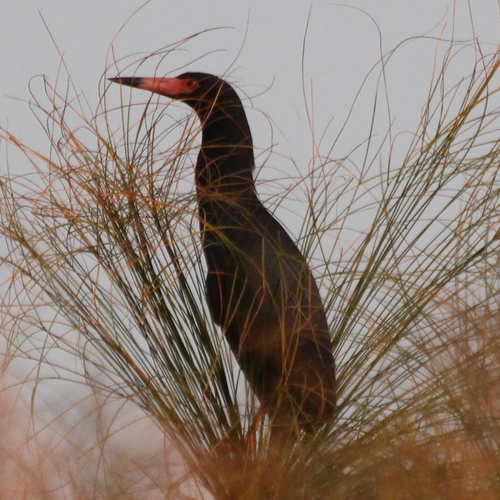 rufous-bellied heron
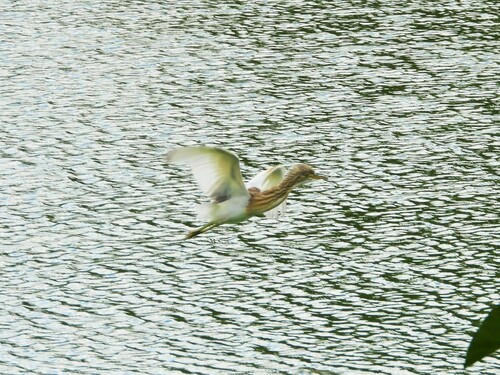 malagasy pond-heron
Em resumo
A maneira mais confiável de separar o rufous-bellied heron do malagasy pond-heron é pela plumagem de voo dos adultos: o rufous-bellied heron apresenta uma cabeça, costas e peito cinza escuro com um ventre e partes inferiores ruivos, enquanto o malagasy pond-heron em plumagem não reprodutiva e juvenil tem partes superiores predominantemente marrons e penas de voo brancas marcantes. Os juvenis de malagasy pond-heron são mais claros e marrons do que os adultos de rufous-bellied heron, que escurecem com a idade. Na época de reprodução, os adultos de malagasy pond-heron tornam-se quase totalmente brancos, ao contrário do rufous-bellied, que é consistentemente escuro e ruivo. A estrutura e o tamanho são semelhantes, mas a cor do bico e das pernas, assim como a postura e o habitat, podem ajudar quando a plumagem é ambígua.
Dicas de identificação
- Juvenil/imaturo em voo: Procure por penas de voo brancas—o malagasy pond-heron (todas as idades, exceto filhote) apresenta asas brancas proeminentes em voo, enquanto o rufous-bellied heron (todas as idades) tem asas e corpo escuros sem branco.
- Plumagem de reprodução adulta: O malagasy pond-heron torna-se quase totalmente branco como a neve com um bico azul profundo durante a reprodução; o rufous-bellied heron nunca é branco, sempre mostrando cinza escuro e ruivo.
- Plumagem não reprodutiva adulta: O malagasy pond-heron é marron com coroa e costas pretas e amarelas, mas ainda mostra penas de voo brancas; o rufous-bellied heron permanece cinza escuro com ventre e partes inferiores ruivas.
- Cor do bico: No malagasy pond-heron não reprodutivo, o bico é verde com a ponta preta; nos juvenis, é laranja opaco. O rufous-bellied heron tem um bico menos distinto (não descrito como verde ou laranja nas fontes).
- Cor das pernas: O rufous-bellied heron tem pernas e pés amarelos brilhantes, especialmente marcantes em voo contra o corpo escuro. A cor das pernas do malagasy pond-heron não é destacada como distintiva.
- Postura: O rufous-bellied heron frequentemente adota uma postura horizontal, semelhante à de um íbis, ao se esconder; o malagasy pond-heron é menos descrito dessa forma.
- Cor dos olhos: O juvenil de malagasy pond-heron tem olhos verdes claros; o adulto tem amarelos. A cor dos olhos do rufous-bellied heron não é especificada como uma marca de campo.
- Cauda e partes inferiores: O rufous-bellied heron apresenta um ventre, asas e cauda ruivos, contrastando com as partes superiores cinza escuras; o malagasy pond-heron não possui essa coloração ruiva em nenhuma idade.
- Contexto de habitat: No sul da África, um pequeno heron escuro em áreas úmidas vegetadas é provavelmente um rufous-bellied. Em Madagascar ou Seychelles, ou em colônias mistas de herons com muitas aves brancas, suspeite do malagasy pond-heron.
- Contexto sazonal: Se visto na África fora da época de reprodução (maio a outubro), um heron branco ou marron com asas brancas é provavelmente um malagasy pond-heron. O rufous-bellied heron é residente e não apresenta plumagem branca sazonal.
- Comportamento em colônia: O malagasy pond-heron reproduz-se colonialmente, frequentemente com outros herons; o rufous-bellied heron é mais solitário ou em pequenos grupos.
- Abundância: O malagasy pond-heron é raro e ameaçado, com números muito baixos na África; o rufous-bellied heron é mais disseminado no sul da África.
- Armadilha: Não confunda um juvenil pálido de rufous-bellied heron com o malagasy pond-heron—verifique se há branco nas asas (presente apenas no malagasy pond-heron) e ventre ruivo (apenas no rufous-bellied).
- Armadilha: O adulto de malagasy pond-heron em plumagem de reprodução é todo branco e pode ser confundido com outros herons brancos, mas nunca com o rufous-bellied heron, que é sempre escuro e ruivo.
- Quando em dúvida: Concentre-se na cor das asas em voo e na cor do ventre quando empoleirado; essas são as marcas de campo mais confiáveis em todas as idades.
Tamanho
Ambas as espécies são pequenos herons de lagoa de construção semelhante. O malagasy pond-heron é ligeiramente maior, atingindo 45–50 cm de altura e pesando 250–350 g, mas essa diferença é sutil e não confiável em campo, a menos que ambos estejam lado a lado. Há pouco dimorfismo sexual em ambas as espécies. O rufous-bellied heron é descrito como um pequeno heron, mas não possui medições detalhadas nas fontes; espere que eles sejam próximos em tamanho, com o malagasy pond-heron possivelmente parecendo um pouco mais robusto.
Plumagem
Os juvenis e não reprodutivos de malagasy pond-heron têm partes superiores marrons com penas de voo brancas proeminentes; em voo, as asas brancas contrastam fortemente com o resto do corpo. Seus bicos são laranja opaco e os olhos verdes claros nesta fase. Os juvenis de rufous-bellied heron são mais claros e marrons do que os adultos, mas não possuem o extenso branco nas asas, mostrando em vez disso um cinza escuro mais uniforme com ventre e partes inferiores ruivas, mesmo em aves jovens. À medida que amadurecem, os rufous-bellied herons escurecem, com os adultos mostrando uma cabeça, costas e peito cinza escuro consistentes, e ventre, asas e cauda ruivos. Em voo, suas pernas e pés amarelos brilhantes se destacam contra o corpo escuro. Os adultos de malagasy pond-heron em plumagem de reprodução são quase totalmente brancos como a neve com um bico azul profundo, que nunca é igualado pelo rufous-bellied heron. Fora da reprodução, os malagasy pond-herons voltam a ser marrons com buff e preto na coroa e nas costas, mas sempre mantêm as penas de voo brancas, que são o contraste chave. O rufous-bellied heron nunca mostra asas brancas ou plumagem totalmente branca.
Comportamento
O rufous-bellied heron é um furtivo, frequentemente adotando uma postura horizontal semelhante à de um íbis ao se esconder e geralmente forrageando em áreas úmidas bem vegetadas ou águas rasas, geralmente do lado da terra. É principalmente sedentário, movendo-se apenas localmente com as cheias sazonais. O malagasy pond-heron é altamente territorial e migratório, reproduzindo-se em Madagascar e hibernando na África oriental. Ele nidifica colonialmente, mas forrageia sozinho ou em números muito pequenos, frequentemente bem para o interior dos locais de nidificação. Disputas territoriais são raras na África devido aos números baixos. Ambas as espécies são discretas, mas o malagasy pond-heron é mais provável de ser encontrado em colônias de espécies mistas durante a reprodução.
Habitat
O rufous-bellied heron é encontrado no sul da África, favorecendo áreas úmidas bem vegetadas, planícies de inundação e águas rasas, geralmente do lado da terra. O malagasy pond-heron reproduz-se em Madagascar, Réunion e Seychelles, e hiberna na África oriental continental. Durante a reprodução, utiliza canaviais e ilhas costeiras, frequentemente em colônias mistas de herons, mas forrageia no interior. Fora da reprodução, é raro e local na África, frequentemente visto sozinho ou em pares. A sobreposição é possível no leste da África durante a estação não reprodutiva do malagasy pond-heron, mas o rufous-bellied heron é mais disseminado e regular no sul da África.
rufous-bellied heron · malagasy pond-heron · Minhas aves difíceis