

Rufous-bellied Heron vs Malagasy Pond-Heron
Ardeola rufiventris contro Ardeola idae
Fai un quiz con Rufous-bellied Heron e Malagasy Pond-Heron
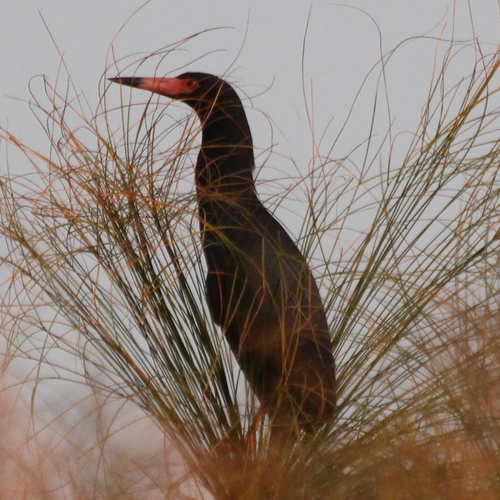 Rufous-bellied Heron
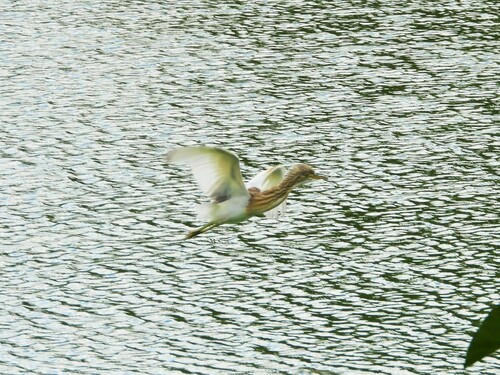 Malagasy Pond-Heron
In breve
Il modo più affidabile per separare il Rufous-bellied Heron dal Malagasy Pond-Heron è attraverso il loro piumaggio da volo adulto: il Rufous-bellied Heron mostra una testa, un dorso e un petto grigio scuro con un ventre e delle sottoali rufous, mentre il Malagasy Pond-Heron in piumaggio non riproduttivo e giovanile ha principalmente parti superiori marroni e piume da volo bianche e sorprendenti. I giovani Malagasy Pond-Heron sono più chiari e marroni rispetto agli adulti Rufous-bellied Heron, che scuriscono con l'età. Durante la stagione di riproduzione, gli adulti Malagasy Pond-Heron diventano quasi completamente bianchi, a differenza del Rufous-bellied, che è costantemente scuro e rufous. La struttura e la dimensione sono simili, ma il colore del becco e delle gambe, così come la postura e l'habitat, possono aiutare quando il piumaggio è ambiguo.
Consigli di identificazione
- Giovanile/immaturo in volo: Cerca piume da volo bianche—il Malagasy Pond-Heron (tutte le età tranne i pulcini) mostra ali bianche prominenti in volo, mentre il Rufous-bellied Heron (tutte le età) ha ali e corpo scuri senza bianco.
- Piumaggio da riproduzione adulto: Il Malagasy Pond-Heron diventa quasi completamente bianco neve con un becco blu profondo durante la riproduzione; il Rufous-bellied Heron non è mai bianco, mostrando sempre grigio scuro e rufous.
- Piumaggio non riproduttivo adulto: Il Malagasy Pond-Heron è marrone con una corona color crema e nera, ma mostra ancora piume da volo bianche; il Rufous-bellied Heron rimane grigio scuro con un ventre e parti inferiori rufous.
- Colore del becco: Nel Malagasy Pond-Heron non riproduttivo, il becco è verde con una punta nera; nei giovani, è arancione opaco. Il Rufous-bellied Heron ha un becco meno distintivo (non descritto come verde o arancione nelle fonti).
- Colore delle gambe: Il Rufous-bellied Heron ha gambe e piedi gialli brillanti, particolarmente evidenti in volo contro il corpo scuro. Il colore delle gambe del Malagasy Pond-Heron non è evidenziato come distintivo.
- Postura: Il Rufous-bellied Heron spesso adotta una postura orizzontale simile a quella di un tarabuso quando si nasconde; il Malagasy Pond-Heron è meno descritto in questo modo.
- Colore degli occhi: Il giovane Malagasy Pond-Heron ha occhi verde chiaro; l'adulto ha occhi gialli. Il colore degli occhi del Rufous-bellied Heron non è specificato come un carattere distintivo.
- Coda e parti inferiori: Il Rufous-bellied Heron mostra un ventre, ali e coda rufous, in contrasto con le parti superiori grigio scuro; il Malagasy Pond-Heron non presenta questa colorazione rufous a tutte le età.
- Contesto habitat: Nel sud dell'Africa, un piccolo airone scuro in zone umide vegetate è probabilmente un Rufous-bellied. In Madagascar o Seychelles, o in colonie miste di aironi con molti uccelli bianchi, sospetta il Malagasy Pond-Heron.
- Contesto stagionale: Se visto in Africa al di fuori della stagione di riproduzione (maggio-ottobre), un airone bianco o marrone con ali bianche è probabilmente un Malagasy Pond-Heron. Il Rufous-bellied Heron è residente e non mostra piumaggio bianco stagionale.
- Comportamento in colonia: Il Malagasy Pond-Heron si riproduce in colonie, spesso con altri aironi; il Rufous-bellied Heron è più solitario o in piccoli gruppi.
- Abbondanza: Il Malagasy Pond-Heron è raro e in pericolo, con numeri molto bassi in Africa; il Rufous-bellied Heron è più diffuso nel sud dell'Africa.
- Trappola: Non confondere un giovane pallido Rufous-bellied Heron con il Malagasy Pond-Heron—controlla la presenza di bianco nelle ali (presente solo nel Malagasy Pond-Heron) e il ventre rufous (solo nel Rufous-bellied).
- Trappola: L'adulto Malagasy Pond-Heron in piumaggio da riproduzione è completamente bianco e potrebbe essere scambiato per altri aironi bianchi, ma mai per il Rufous-bellied Heron, che è sempre scuro e rufous.
- Quando hai dubbi: Concentrati sul colore delle ali in volo e sul colore del ventre quando è posato; questi sono i caratteri distintivi più affidabili in tutte le età.
Taglia
Entrambe le specie sono piccoli aironi da stagno di costruzione simile. Il Malagasy Pond-Heron è leggermente più grande, raggiungendo i 45-50 cm di altezza e pesando 250-350 g, ma questa differenza è sottile e non affidabile sul campo a meno che entrambi non siano affiancati. C'è poco dimorfismo sessuale in entrambe le specie. Il Rufous-bellied Heron è descritto come un piccolo airone ma manca di misurazioni dettagliate nelle fonti; aspettati che siano simili in dimensioni, con il Malagasy Pond-Heron che potrebbe apparire un po' più robusto.
Piumaggio
I giovani e i Malagasy Pond-Heron non riproduttivi hanno parti superiori marroni con piume da volo bianche prominenti; in volo, le ali bianche contrastano nettamente con il resto del corpo. I loro becchi sono arancioni opachi e gli occhi verde chiaro in questa fase. I giovani Rufous-bellied Heron sono più chiari e marroni rispetto agli adulti ma mancano del bianco esteso nelle ali, mostrando invece un grigio scuro più uniforme con un ventre e parti inferiori rufous, anche nei giovani. Man mano che maturano, i Rufous-bellied Heron scuriscono, con gli adulti che mostrano una testa, un dorso e un petto grigio scuro costante, e un ventre, ali e coda rufous. In volo, le loro gambe e piedi gialli brillanti si distinguono contro il corpo scuro. Gli adulti Malagasy Pond-Heron in piumaggio da riproduzione sono quasi completamente bianchi con un becco blu profondo, che non è mai eguagliato dal Rufous-bellied Heron. Fuori dalla riproduzione, i Malagasy Pond-Heron tornano a essere marroni con crema e nero sulla corona e sul dorso, ma mantengono sempre le piume da volo bianche, che sono il contrasto chiave. Il Rufous-bellied Heron non mostra mai ali bianche o piumaggio completamente bianco.
Comportamento
Il Rufous-bellied Heron è un animale schivo, spesso adottando una postura orizzontale simile a quella di un tarabuso quando si nasconde e tipicamente cerca cibo in zone umide ben vegetate o in acque poco profonde, di solito sul lato terrestre. È per lo più sedentario, muovendosi solo localmente con le inondazioni stagionali. Il Malagasy Pond-Heron è altamente territoriale e migratorio, riproducendosi in Madagascar e svernando nell'Africa orientale. Nida colonie, ma cerca cibo da solo o in numeri molto ridotti, spesso ben all'interno rispetto ai siti di nidificazione. Le dispute territoriali sono rare in Africa a causa dei numeri bassi. Entrambe le specie sono poco appariscenti, ma il Malagasy Pond-Heron è più probabile che venga trovato in colonie di specie miste durante la riproduzione.
Habitat
Il Rufous-bellied Heron si trova nel sud dell'Africa, preferendo zone umide ben vegetate, pianure alluvionali e acque poco profonde, di solito sul lato terrestre. Il Malagasy Pond-Heron si riproduce in Madagascar, Réunion e Seychelles, e sverna nell'Africa orientale continentale. Durante la riproduzione, utilizza canneti e isole costiere, spesso in colonie miste di aironi, ma cerca cibo all'interno. Fuori dalla riproduzione, è raro e locale in Africa, spesso visto singolarmente o in coppie. È possibile un sovrapposizione nell'Africa orientale durante la stagione non riproduttiva del Malagasy Pond-Heron, ma il Rufous-bellied Heron è più diffuso e regolare nel sud dell'Africa.
Rufous-bellied Heron · Malagasy Pond-Heron · I miei uccelli difficili