

Motmot

クロアマサギ 対 マダガスカルカンムリサギ

Ardeola rufiventris 対 Ardeola idae

クロアマサギとマダガスカルカンムリサギのクイズ
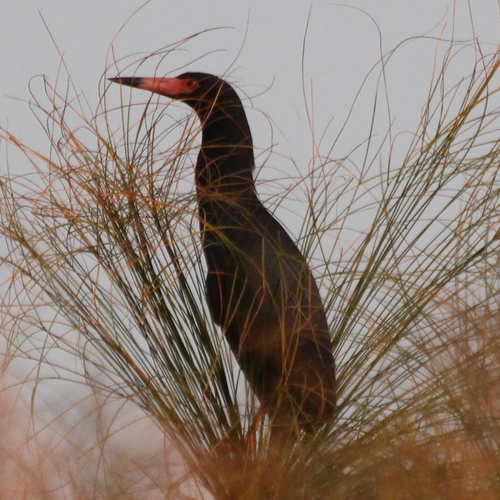
クロアマサギ (Ardeola rufiventris) クロアマサギ
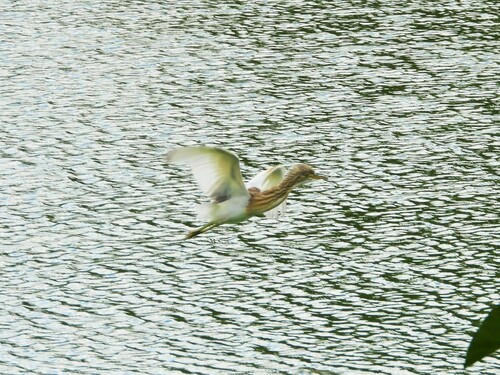
マダガスカルカンムリサギ (Ardeola idae) マダガスカルカンムリサギ

メディア

読み込み中…

要点

クロアマサギとマダガスカルカンムリサギを分ける最も信頼できる方法は、成鳥の飛行羽毛によるものです:クロアマサギは暗い灰色の頭、背中、胸にルフスの腹部と下翼を持ち、マダガスカルカンムリサギは非繁殖期および幼鳥の羽毛では主に茶色の上面と目を引く白い飛行羽毛を持っています。幼鳥のマダガスカルカンムリサギは成鳥のクロアマサギよりも淡く茶色がかっていますが、成鳥のクロアマサギは年齢とともに暗くなります。繁殖期には、マダガスカルカンムリサギの成鳥はほぼ完全に白くなり、常に暗くルフスのクロアマサギとは異なります。構造とサイズは似ていますが、くちばしと脚の色、姿勢、そして生息地が羽毛があいまいな場合に役立ちます。

識別のコツ

  1. Juvenile/immature in flight: 白い飛行羽毛を探してください—マダガスカルカンムリサギ(ひなを除くすべての年齢)は飛行中に目立つ白い翼を示し、クロアマサギ(すべての年齢)は暗い翼と体を持ち、白はありません。
  2. Adult breeding plumage: マダガスカルカンムリサギは繁殖期にほぼ完全に雪のように白くなり、深い青いくちばしを持ちます;クロアマサギは決して白くならず、常に暗い灰色とルフスを示します。
  3. Adult non-breeding plumage: マダガスカルカンムリサギは茶色がかり、バフと黒の冠を持っていますが、白い飛行羽毛を示します;クロアマサギはルフスの腹部と下部を持つ暗い灰色のままです。
  4. Bill color: 非繁殖期のマダガスカルカンムリサギのくちばしは緑色で黒い先端があります;幼鳥では鈍いオレンジ色です。クロアマサギはあまり特徴的でないくちばしを持っています(情報源では緑またはオレンジとは記載されていません)。
  5. Leg color: クロアマサギは明るい黄色の脚と足を持ち、特に暗い下体に対して飛行中に目立ちます。マダガスカルカンムリサギの脚の色は特に特徴的とはされていません。
  6. Posture: クロアマサギはしばしば水平でボトルのような隠れる姿勢をとります;マダガスカルカンムリサギはこのように記載されることは少ないです。
  7. Eye color: 幼鳥のマダガスカルカンムリサギは淡い緑色の目を持ち;成鳥は黄色です。クロアマサギの目の色はフィールドマークとして指定されていません。
  8. Tail and underparts: クロアマサギはルフスの腹部、翼、尾を示し、暗い灰色の上面と対照的です;マダガスカルカンムリサギはすべての年齢でこのルフスの色合いを欠いています。
  9. Habitat context: 南アフリカでは、植生のある湿地にいる小さな暗いサギはおそらくクロアマサギです。マダガスカルやセーシェル、または多くの白い鳥がいる混合サギコロニーでは、マダガスカルカンムリサギを疑ってください。
  10. Seasonal context: 繁殖期(5月〜10月)以外にアフリカで見られた場合、白または茶色がかったサギで白い翼を持つものはおそらくマダガスカルカンムリサギです。クロアマサギは常駐しており、季節的な白い羽毛を示しません。
  11. Colony behavior: マダガスカルカンムリサギはコロニーで繁殖し、しばしば他のサギと一緒にいます;クロアマサギはより孤立しているか、小さな群れで見られます。
  12. Abundance: マダガスカルカンムリサギは希少で絶滅の危機に瀕しており、アフリカでは非常に少ない数です;クロアマサギは南アフリカでより広く分布しています。
  13. Pitfall: 淡い幼鳥のクロアマサギをマダガスカルカンムリサギと混同しないでください—翼に白があるか(マダガスカルカンムリサギにのみ存在)、ルフスの腹部があるか(クロアマサギにのみ)を確認してください。
  14. Pitfall: 繁殖羽毛の成鳥のマダガスカルカンムリサギはすべて白く、他の白いサギと間違われる可能性がありますが、決してクロアマサギとは間違えません、常に暗くルフスです。
  15. When in doubt: 飛行中の翼の色と止まっているときの腹部の色に注目してください;これらはすべての年齢で最も信頼できるフィールドマークです。

大きさ

両種は似た構造の小型の池のサギです。マダガスカルカンムリサギはやや大きく、45〜50 cmの高さに達し、250〜350 gの重さがありますが、この違いは微妙で、両者が並んでいない限り、フィールドで信頼できるものではありません。どちらの種にも性的二形性はほとんどありません。クロアマサギは小型のサギとして記載されていますが、情報源には詳細な測定値がありません;サイズは近いと予想され、マダガスカルカンムリサギはややがっしりして見えるかもしれません。

羽色

幼鳥および非繁殖期のマダガスカルカンムリサギは、目立つ白い飛行羽毛を持つ茶色の上面を持っています;飛行中、白い翼は体の他の部分と鋭く対照的です。彼らのくちばしは鈍いオレンジ色で、この段階では目は淡い緑色です。クロアマサギの幼鳥は成鳥よりも淡く茶色がかっていますが、翼に広範な白を欠いており、代わりにルフスの腹部と下部を持つより均一な暗い灰色を示しています。成熟するにつれて、クロアマサギは暗くなり、成鳥は一貫した暗い灰色の頭、背中、胸、ルフスの腹部、翼、尾を示します。飛行中、彼らの明るい黄色の脚と足は暗い下体に対して際立っています。繁殖羽毛の成鳥のマダガスカルカンムリサギはほぼ完全に雪のように白く、深い青いくちばしを持ち、これは決してクロアマサギには見られません。繁殖期以外では、マダガスカルカンムリサギは茶色がかり、冠と背中にバフと黒を持ちますが、常に白い飛行羽毛を保持し、これが重要な対照です。クロアマサギは決して白い翼や完全に白い羽毛を示しません。

行動

クロアマサギは隠れることが得意で、隠れているときにしばしばボトルのような水平姿勢をとり、通常は植生の豊かな湿地や浅い水で採餌します。主に定住しており、季節的な洪水に伴ってのみ局所的に移動します。マダガスカルカンムリサギは非常に領土意識が強く、移動性があり、マダガスカルで繁殖し、東アフリカで越冬します。コロニーで巣を作りますが、単独または非常に少数で採餌し、巣作りの場所からはしばしば内陸で見られます。アフリカでは数が少ないため、領土争いはまれです。両種は目立たないですが、マダガスカルカンムリサギは繁殖期に混合種のコロニーで見つかる可能性が高いです。

生息環境

クロアマサギは南アフリカで見られ、植生の豊かな湿地、氾濫原、浅い水を好み、通常は陸側にいます。マダガスカルカンムリサギはマダガスカル、レユニオン、セーシェルで繁殖し、東アフリカ本土で越冬します。繁殖期には、葦原や沿岸の島を利用し、しばしば混合サギコロニーで見られますが、内陸で採餌します。繁殖期以外では、アフリカでは希少で局所的に見られ、しばしば単独またはペアで見られます。マダガスカルカンムリサギの非繁殖期には東アフリカで重複が可能ですが、クロアマサギは南アフリカでより広く分布し、定期的に見られます。

より良い説明を送る

比較と同じ項目を使ってください。文章はすぐに公開されます。

The most reliable way to separate Rufous-bellied Heron from Malagasy Pond Heron is by their adult flight plumage: Rufous-bellied Heron shows a dark grey head, back, and breast with a rufous belly and underwings, while Malagasy Pond Heron in non-breeding and juvenile plumage has mostly brownish upperparts and strikingly white flight feathers. Juvenile Malagasy Pond Herons are paler and browner than adult Rufous-bellied Herons, which darken with age. In breeding season, Malagasy Pond Heron adults become almost entirely white, unlike the consistently dark-and-rufous Rufous-bellied. Structure and size are similar, but bill and leg color, as well as posture and habitat, can help when plumage is ambiguous.

  1. Juvenile/immature in flight: Look for white flight feathers—Malagasy Pond Heron (all ages except chick) shows prominent white wings in flight, while Rufous-bellied Heron (all ages) has dark wings and body with no white.
  2. Adult breeding plumage: Malagasy Pond Heron becomes almost entirely snow white with a deep blue bill during breeding; Rufous-bellied Heron is never white, always showing dark grey and rufous.
  3. Adult non-breeding plumage: Malagasy Pond Heron is brownish with buff and black crown, but still shows white flight feathers; Rufous-bellied Heron remains dark grey with rufous belly and underparts.
  4. Bill color: In non-breeding Malagasy Pond Heron, the bill is green with a black tip; in juveniles, it's dull orange. Rufous-bellied Heron has a less distinctive bill (not described as green or orange in sources).
  5. Leg color: Rufous-bellied Heron has bright yellow legs and feet, especially striking in flight against the dark underbody. Malagasy Pond Heron's leg color is not highlighted as distinctive.
  6. Posture: Rufous-bellied Heron often adopts a horizontal, bittern-like hiding posture; Malagasy Pond Heron is less described in this way.
  7. Eye color: Juvenile Malagasy Pond Heron has pale green eyes; adult has yellow. Rufous-bellied Heron eye color is not specified as a field mark.
  8. Tail and underparts: Rufous-bellied Heron shows rufous belly, wings, and tail, contrasting with dark grey upperparts; Malagasy Pond Heron lacks this rufous coloration at all ages.
  9. Habitat context: In southern Africa, a small dark heron in vegetated wetlands is likely Rufous-bellied. In Madagascar or Seychelles, or in mixed heron colonies with many white birds, suspect Malagasy Pond Heron.
  10. Seasonal context: If seen in Africa outside the breeding season (May–October), a white or brownish heron with white wings is likely Malagasy Pond Heron. Rufous-bellied Heron is resident and does not show seasonal white plumage.
  11. Colony behavior: Malagasy Pond Heron breeds colonially, often with other herons; Rufous-bellied Heron is more solitary or in small groups.
  12. Abundance: Malagasy Pond Heron is rare and endangered, with very low numbers in Africa; Rufous-bellied Heron is more widespread in southern Africa.
  13. Pitfall: Do not confuse a pale juvenile Rufous-bellied Heron for Malagasy Pond Heron—check for white in the wings (present only in Malagasy Pond Heron) and rufous belly (only in Rufous-bellied).
  14. Pitfall: Adult Malagasy Pond Heron in breeding plumage is all white and could be mistaken for other white herons, but never for Rufous-bellied Heron, which is always dark and rufous.
  15. When in doubt: Focus on wing color in flight and belly color when perched; these are the most reliable field marks across all ages.

Both species are small pond herons of similar build. Malagasy Pond Heron is slightly larger, reaching 45–50 cm in height and weighing 250–350 g, but this difference is subtle and not reliable in the field unless both are side by side. There is little sexual dimorphism in either species. Rufous-bellied Heron is described as a small heron but lacks detailed measurements in the sources; expect them to be close in size, with Malagasy Pond Heron possibly appearing a bit bulkier.

Juvenile and non-breeding Malagasy Pond Herons have brown upperparts with prominent white flight feathers; in flight, the white wings contrast sharply with the rest of the body. Their bills are dull orange and eyes pale green at this stage. Rufous-bellied Heron juveniles are paler and browner than adults but lack the extensive white in the wings, instead showing a more uniform dark grey with rufous belly and underparts, even in young birds. As they mature, Rufous-bellied Herons darken, with adults showing a consistent dark grey head, back, and breast, and rufous belly, wings, and tail. In flight, their bright yellow legs and feet stand out against the dark underbody. Adult Malagasy Pond Herons in breeding plumage are almost entirely snow white with a deep blue bill, which is never matched by Rufous-bellied Heron. Out of breeding, Malagasy Pond Herons revert to brownish with buff and black on the crown and back, but always keep the white flight feathers, which is the key contrast. Rufous-bellied Heron never shows white wings or all-white plumage.

Rufous-bellied Heron is a skulker, often adopting a bittern-like horizontal posture when hiding and typically forages in well-vegetated wetlands or shallow water, usually on the landward side. It is mostly sedentary, moving only locally with seasonal floods. Malagasy Pond Heron is highly territorial and migratory, breeding in Madagascar and wintering in eastern Africa. It nests colonially but forages alone or in very small numbers, often well inland from nesting sites. Territorial disputes are rare in Africa due to low numbers. Both species are inconspicuous, but Malagasy Pond Heron is more likely to be found in mixed-species colonies during breeding.

Rufous-bellied Heron is found in southern Africa, favoring well-vegetated wetlands, floodplains, and shallow waters, usually on the landward side. Malagasy Pond Heron breeds in Madagascar, Réunion, and Seychelles, and winters in eastern mainland Africa. During breeding, it uses reedbeds and coastal islands, often in mixed heron colonies, but forages inland. Outside breeding, it is rare and local in Africa, often seen singly or in pairs. Overlap is possible in eastern Africa during the Malagasy Pond Heron's non-breeding season, but Rufous-bellied Heron is more widespread and regular in southern Africa.

変更を破棄しますか?

保存していない編集があります。今離れると失われます。

クロアマサギ · マダガスカルカンムリサギ · 苦手な鳥