

tordo-de-garganta-ruiva vs indochinese blue flycatcher
Turdus ruficollis versus Cyornis sumatrensis
Jogue um quiz com tordo-de-garganta-ruiva e indochinese blue flycatcher
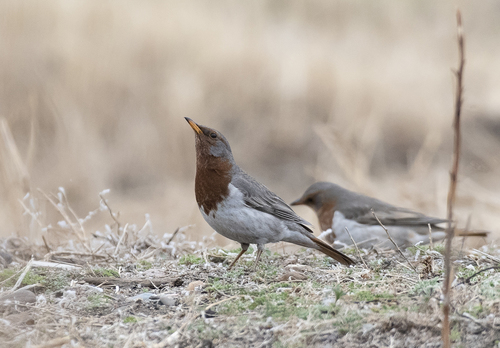 tordo-de-garganta-ruiva
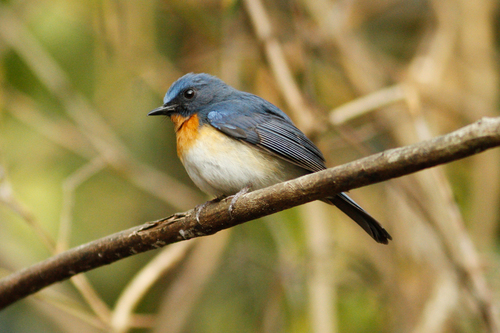 indochinese blue flycatcher
Em resumo
A marca de campo mais confiável para separar o tordo-de-garganta-ruiva do indochinese blue flycatcher é a estrutura e plumagem geral: o tordo-de-garganta-ruiva é um grande tordo cinza liso com asas inferiores avermelhadas e, nos machos adultos, uma garganta vermelha distinta, enquanto o indochinese blue flycatcher é um pássaro muito menor e compacto com partes superiores azuis e laranja no peito. Tordos-de-garganta-ruiva imaturos e fêmeas não têm a garganta vermelha, mas apresentam partes inferiores riscada de preto, nunca azul. Em voo, o tamanho do tordo e a asa inferior avermelhada contrastam fortemente com a silhueta muito menor e mais delicada do flycatcher e a falta de tons ruivos. Se você ver um grande pássaro de costas lisas com tons avermelhados nas asas ou na garganta, é o tordo; um pequeno pássaro azul e laranja é o flycatcher.
Dicas de identificação
- Tamanho e Estrutura: O tordo-de-garganta-ruiva é muito maior e mais robusto que o indochinese blue flycatcher. Se o pássaro parecer do tamanho de um tordo, não é o flycatcher.
- Formato do Bico: O tordo tem um bico forte e reto; o bico do flycatcher é mais fino e delicado, adequado para pegar insetos.
- Comprimento e Formato da Cauda: O tordo tem uma cauda mais longa e quadrada; a cauda do flycatcher é mais curta e pode parecer ligeiramente arredondada.
- Plumagem do Macho Adulto: Procure uma garganta vermelha no macho adulto do tordo-de-garganta-ruiva—isso nunca é igualado pelo flycatcher.
- Plumagem de Fêmea/Imaturo: Fêmeas e tordos imaturos não têm a garganta vermelha, mas apresentam partes inferiores riscada de preto e partes superiores cinzas lisas; os flycatchers nunca mostram essa combinação.
- Cor da Asa Inferior em Voo: O tordo-de-garganta-ruiva mostra asas inferiores avermelhadas, especialmente visíveis em voo ou ao bater as asas; a asa inferior do flycatcher não é avermelhada.
- Cor das Partes Superiores: Os tordos são cinzas lisos acima; flycatchers (especialmente machos) são azuis acima, com fêmeas/imaturos mostrando pelo menos alguns tons azuis ou azulados.
- Cor do Peito: Flycatchers têm laranja no peito (especialmente machos), nunca visto no tordo. Tordos têm partes inferiores pálidas ou riscada.
- Comportamento: Tordos costumam andar ou saltar no chão; flycatchers atacam insetos de poleiros e são mais inquietos.
- Habitat: Se visto em floresta densa e úmida, é mais provável que seja o flycatcher; habitats de floresta aberta ou bordas favorecem o tordo.
- Postura: Tordos ficam eretos e alertas; flycatchers são mais horizontais, frequentemente batendo a cauda e as asas.
- Estilo de Voo: Tordos têm um voo forte e direto; flycatchers são mais ágeis e flutuantes.
- Contexto: O tordo-de-garganta-ruiva é um raro vagante na Europa Ocidental—verifique qualquer registro lá.
- Sem Azul ou Laranja no Tordo: Se você ver partes superiores azuis ou laranja no peito, descarte o tordo-de-garganta-ruiva.
- Sem Garganta Vermelha no Flycatcher: Se você ver uma garganta vermelha, não é o flycatcher, independentemente da idade ou sexo.
Tamanho
O tordo-de-garganta-ruiva é um grande tordo, substancialmente maior e mais robusto que o indochinese blue flycatcher. O tordo tem um corpo robusto, cauda mais longa e um bico forte e reto típico dos tordos do gênero Turdus. Em contraste, o indochinese blue flycatcher é muito menor, com uma construção compacta, semelhante a um flycatcher, cauda mais curta e um bico mais fino. Mesmo à distância, a diferença de tamanho é impressionante: o tordo é mais próximo do tamanho de um melro, enquanto o flycatcher é mais parecido com um pisco-de-peito-ruivo ou até menor.
Plumagem
Para todas as idades, o tordo-de-garganta-ruiva apresenta um dorso cinza liso e asas inferiores avermelhadas, que são visíveis em voo ou quando o pássaro bate as asas. Machos adultos têm uma garganta vermelha diagnóstica; fêmeas e imaturos não têm isso, mas têm partes inferiores riscada de preto, nunca azul ou laranja. O indochinese blue flycatcher, independentemente da idade ou sexo, nunca apresenta partes superiores cinzas ou asas inferiores ruivas. Em vez disso, os machos têm partes superiores azuis e laranja no peito, enquanto fêmeas e imaturos são mais apagados, mas mantêm alguns tons de azul e laranja. Não há sobreposição na presença de azul ou laranja nas partes superiores ou no peito entre as duas espécies. A asa inferior do tordo é avermelhada, uma marca de voo chave ausente no flycatcher.
Comportamento
O tordo-de-garganta-ruiva geralmente forrageia no chão ou em arbustos baixos, frequentemente saltando e movendo-se com a postura ereta e alerta de um tordo do gênero Turdus. Ele pode pousar em áreas abertas ou em galhos expostos. O indochinese blue flycatcher é mais ativo e ágil, frequentemente atacando insetos de poleiros baixos, batendo suas asas e cauda, e geralmente se comportando com os movimentos rápidos e ágeis típicos dos flycatchers. O tordo é mais provável de ser visto andando ou parado; o flycatcher é inquieto e frequentemente se move entre os poleiros.
Habitat
O tordo-de-garganta-ruiva se reproduz em florestas abertas e bordas de florestas da Sibéria Oriental e do norte da Ásia, hibernando na China Ocidental, Myanmar e no Nordeste da Índia; é um raro vagante na Europa Ocidental. O indochinese blue flycatcher é encontrado em habitats florestais do sul de Myanmar e da Península da Malásia até a Indochina e o nordeste de Sumatra, frequentemente em florestas mais densas e úmidas ou em crescimento secundário. Seus habitats só se sobrepõem nas áreas de invernada, e as preferências de habitat diferem: os tordos preferem habitats abertos ou de borda, enquanto os flycatchers preferem florestas densas ou matagais.
tordo-de-garganta-ruiva · indochinese blue flycatcher · Minhas aves difíceis