

Zorzal Papirrojo vs Papamoscas Indochino
Turdus ruficollis frente a Cyornis sumatrensis
Juega un quiz con Zorzal Papirrojo y Papamoscas Indochino
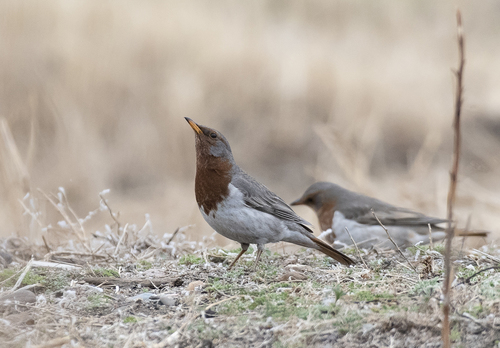 Zorzal Papirrojo
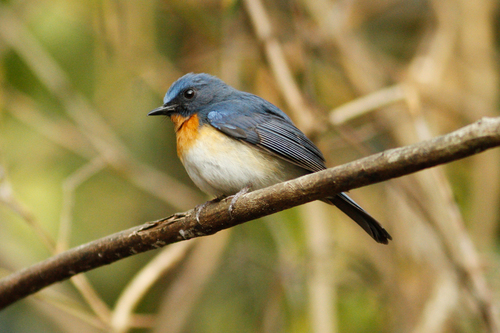 Papamoscas Indochino
En breve
La marca de campo más confiable para separar el Zorzal Papirrojo del Papamoscas Indochino es la estructura y plumaje en general: el Zorzal Papirrojo es un zorzal grande y gris liso con alas inferiores rojizas y, en los machos adultos, una distintiva garganta roja, mientras que el Papamoscas Indochino es un ave mucho más pequeña y compacta con partes superiores azules y naranja en el pecho. Los Zorzales Papirrojos inmaduros y hembras carecen de la garganta roja pero muestran partes inferiores con rayas negras, nunca azules. En vuelo, el tamaño del zorzal y su ala inferior rojiza contrastan marcadamente con la silueta mucho más pequeña y delicada del papamoscas y la falta de tonos rufo. Si ves un ave grande y de espalda lisa con tonos rojizos en las alas o la garganta, es el zorzal; un ave pequeña, azul y naranja es el papamoscas.
Consejos de identificación
- Tamaño y Estructura: El Zorzal Papirrojo es mucho más grande y robusto que el Papamoscas Indochino. Si el ave parece del tamaño de un zorzal, no es el papamoscas.
- Forma del Pico: El zorzal tiene un pico fuerte y recto; el pico del papamoscas es más fino y delicado, adecuado para atrapar insectos.
- Longitud y Forma de la Cola: El zorzal tiene una cola más larga y cuadrada; la cola del papamoscas es más corta y puede parecer ligeramente redondeada.
- Plumaje del Macho Adulto: Busca una garganta roja en el macho adulto del Zorzal Papirrojo—esto nunca es igualado por el papamoscas.
- Plumaje de Hembras/Inmaduras: Las hembras y los zorzales inmaduros carecen de la garganta roja pero muestran partes inferiores con rayas negras y partes superiores grises lisas; los papamoscas nunca muestran esta combinación.
- Color de la Ala Inferior en Vuelo: El Zorzal Papirrojo muestra alas inferiores rojizas, especialmente visibles en vuelo o al mover las alas; el ala inferior del papamoscas no es rojiza.
- Color de las Partes Superiores: Los zorzales son grises lisos por encima; los papamoscas (especialmente los machos) son azules por encima, con hembras/inmaduras mostrando al menos algunos tonos azules o grisáceos.
- Color del Pecho: Los papamoscas tienen naranja en el pecho (especialmente los machos), nunca visto en el zorzal. Los zorzales tienen partes inferiores pálidas o con rayas.
- Comportamiento: Los zorzales a menudo caminan o saltan en el suelo; los papamoscas atrapan insectos desde posaderos y son más inquietos.
- Hábitat: Si se ve en un bosque denso y húmedo, es más probable que sea el papamoscas; los hábitats de bosques abiertos o bordes favorecen al zorzal.
- Postura: Los zorzales se mantienen erguidos y alertas; los papamoscas son más horizontales, a menudo moviendo la cola y las alas.
- Estilo de Vuelo: Los zorzales tienen un vuelo fuerte y directo; los papamoscas son más agitados y ágiles.
- Contexto: El Zorzal Papirrojo es un vagabundo raro en el oeste de Europa—verifica cualquier registro allí.
- Sin Azul o Naranja en el Zorzal: Si ves partes superiores azules o naranja en el pecho, descarta el Zorzal Papirrojo.
- Sin Garganta Roja en el Papamoscas: Si ves una garganta roja, no es el papamoscas, independientemente de la edad o el sexo.
Tamaño
El Zorzal Papirrojo es un zorzal grande, sustancialmente más grande y robusto que el Papamoscas Indochino. El zorzal tiene un cuerpo robusto, cola más larga y un pico fuerte y recto típico de los zorzales del género Turdus. En contraste, el Papamoscas Indochino es mucho más pequeño, con una construcción compacta similar a la de un papamoscas, cola más corta y un pico más fino. Incluso a distancia, la diferencia de tamaño es notable: el zorzal es más parecido en tamaño a un Mirlo Común, mientras que el papamoscas es más parecido a un Petirrojo Europeo o incluso más pequeño.
Plumaje
Para todas las edades, el Zorzal Papirrojo muestra una espalda gris lisa y alas inferiores rojizas, que son visibles en vuelo o cuando el ave mueve sus alas. Los machos adultos tienen una garganta roja diagnóstica; las hembras y los inmaduros carecen de esto pero tienen partes inferiores con rayas negras, nunca azules o naranjas. El Papamoscas Indochino, independientemente de la edad o el sexo, nunca muestra partes superiores grises o alas inferiores rufas. En cambio, los machos tienen partes superiores azules y naranja en el pecho, mientras que las hembras y los inmaduros son más apagados pero retienen algunos matices de azul y naranja. No hay superposición en la presencia de azul o naranja en las partes superiores o el pecho entre las dos especies. El ala inferior del zorzal es rojiza, una marca clave de vuelo ausente en el papamoscas.
Comportamiento
El Zorzal Papirrojo típicamente busca alimento en el suelo o en arbustos bajos, a menudo saltando y moviéndose con la postura erguida y alerta de un zorzal del género Turdus. Puede posarse en áreas abiertas o en ramas expuestas. El Papamoscas Indochino es más activo y ágil, a menudo atrapando insectos desde posaderos bajos, moviendo sus alas y cola, y comportándose generalmente con los rápidos y nerviosos movimientos típicos de los papamoscas. Es más probable que se vea al zorzal caminando o parado; el papamoscas es inquieto y se mueve frecuentemente entre posaderos.
Hábitat
El Zorzal Papirrojo cría en bosques abiertos y bordes de bosques de Siberia Oriental y el norte de Asia, invernando en el oeste de China, Myanmar y el noreste de India; es un vagabundo raro en el oeste de Europa. El Papamoscas Indochino se encuentra en hábitats forestales desde el sur de Myanmar y la Península de Malaca hasta Indochina y el noreste de Sumatra, a menudo en bosques más densos y húmedos o en crecimiento secundario. Sus rangos solo se superponen en áreas de invernada, y las preferencias de hábitat difieren: los zorzales prefieren hábitats abiertos o de borde, los papamoscas en bosques más densos o matorrales.
Zorzal Papirrojo · Papamoscas Indochino · Mis aves difíciles