

Motmot

ノドアカツグミ 対 インドシナヒメアオヒタキ

Turdus ruficollis 対 Cyornis sumatrensis

ノドアカツグミとインドシナヒメアオヒタキのクイズ
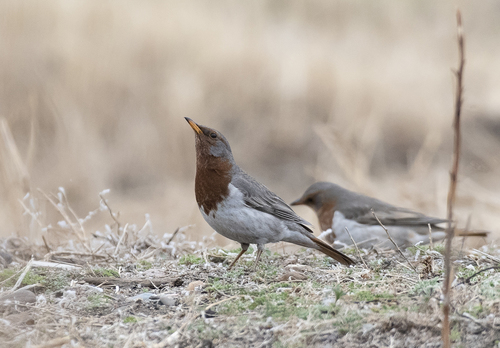
ノドアカツグミ (Turdus ruficollis) ノドアカツグミ
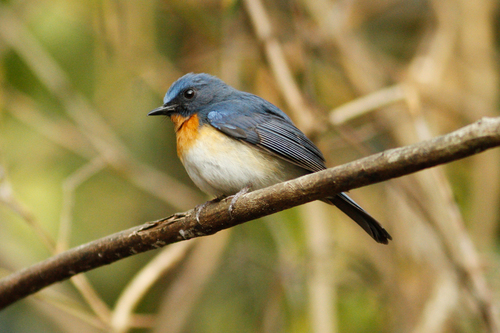
インドシナヒメアオヒタキ (Cyornis sumatrensis) インドシナヒメアオヒタキ

メディア

読み込み中…

要点

ノドアカツグミとインドシナヒメアオヒタキを区別する最も信頼できるフィールドマークは、全体の構造と羽毛です:ノドアカツグミは大きく、無地の灰色のツグミで、赤みがかった下翼を持ち、成鳥のオスは特徴的な赤い喉を持っています。一方、インドシナヒメアオヒタキは、はるかに小さく、コンパクトな鳥で、青い上面とオレンジ色の胸を持っています。未熟な個体と雌のノドアカツグミは赤い喉を欠いていますが、黒い縞模様のある下部を示し、決して青くはありません。飛行中、ツグミのサイズと赤みがかった下翼は、ヒメアオヒタキのはるかに小さく、より繊細なシルエットと赤褐色のトーンの欠如と鮮やかに対比します。もし、翼や喉に赤みがかったトーンを持つ大きな無地の背中の鳥を見たら、それはツグミです;小さく、青とオレンジの鳥がヒメアオヒタキです。

識別のコツ

  1. Size and Structure: ノドアカツグミはインドシナヒメアオヒタキよりもはるかに大きく、がっしりとしています。もしその鳥がツグミサイズに見えるなら、それはヒメアオヒタキではありません。
  2. Bill Shape: ツグミは強く、まっすぐなくちばしを持っています;ヒメアオヒタキのくちばしはより細く、繊細で、捕虫に適しています。
  3. Tail Length and Shape: ツグミはより長く、四角い尾を持っています;ヒメアオヒタキの尾は短く、わずかに丸みを帯びているように見えることがあります。
  4. Adult Male Plumage: 成鳥のオスのノドアカツグミには赤い喉があります—これはヒメアオヒタキには決して見られません。
  5. Female/Immature Plumage: 雌と未熟なツグミは赤い喉を欠いていますが、黒い縞模様のある下部と無地の灰色の上面を示します;ヒメアオヒタキはこの組み合わせを決して示しません。
  6. Underwing Color in Flight: ノドアカツグミは赤みがかった下翼を示し、特に飛行中や羽をひらひらさせるときに目立ちます;ヒメアオヒタキの下翼は赤みがかっていません。
  7. Upperparts Color: ツグミは上面が無地の灰色です;ヒメアオヒタキ(特にオス)は上面が青く、雌や未熟な個体は少なくとも青または灰青色のトーンを示します。
  8. Breast Color: ヒメアオヒタキは胸にオレンジ色があります(特にオス)、ツグミでは見られません。ツグミは淡いまたは縞模様のある下部を持っています。
  9. Behavior: ツグミはしばしば地面を歩いたり跳ねたりします;ヒメアオヒタキは止まり木から昆虫を捕るために飛び出し、より落ち着きがありません。
  10. Habitat: 密で湿った森で見られた場合、ヒメアオヒタキの可能性が高いです;開けた森林やエッジの生息地はツグミに有利です。
  11. Posture: ツグミは直立して警戒しています;ヒメアオヒタキはより水平で、しばしば尾や翼をひらひらさせます。
  12. Flight Style: ツグミは強く、直接的な飛行をします;ヒメアオヒタキはよりひらひらとした敏捷な飛行をします。
  13. Context: ノドアカツグミは西ヨーロッパでは珍しい迷鳥です—その記録を再確認してください。
  14. No Blue or Orange in Thrush: もし青い上面や胸にオレンジ色が見えたら、ノドアカツグミを除外してください。
  15. No Red Throat in Flycatcher: もし赤い喉が見えたら、それはヒメアオヒタキではありません、年齢や性別に関係なく。

大きさ

ノドアカツグミは大きなツグミで、インドシナヒメアオヒタキよりもかなり大きく、がっしりとしています。ツグミは頑丈な体、長い尾、そしてTurdusツグミに典型的な強く、まっすぐなくちばしを持っています。それに対して、インドシナヒメアオヒタキははるかに小さく、コンパクトでヒメアオヒタキのような体型、短い尾、そしてより細いくちばしを持っています。距離があっても、サイズの違いは際立っています:ツグミはニシクロウタドリに近いサイズであり、ヒメアオヒタキはヨーロッパコマドリやそれよりも小さいものに似ています。

羽色

すべての年齢において、ノドアカツグミは無地の灰色の背中と赤みがかった下翼を示し、これは飛行中や鳥が羽をひらひらさせるときに見えます。成鳥のオスは診断的な赤い喉を持っています;雌と未熟な個体はこれを欠いていますが、黒い縞模様のある下部を持ち、決して青やオレンジではありません。インドシナヒメアオヒタキは、年齢や性別に関係なく、灰色の上面や赤褐色の下翼を決して示しません。代わりに、オスは青い上面と胸にオレンジ色を持ち、雌や未熟な個体はより鈍い色合いですが、いくつかの青やオレンジの色合いを保持しています。両種の上面や胸における青やオレンジの存在には重複がありません。ツグミの下翼は赤みがかっており、これはヒメアオヒタキには欠けている重要な飛行マークです。

行動

ノドアカツグミは通常、地面や低い低木で餌を探し、しばしば跳ねたり、Turdusツグミの直立した警戒姿勢で動きます。オープンエリアや露出した枝に止まることがあります。インドシナヒメアオヒタキはより活発で敏捷で、しばしば低い止まり木から昆虫を捕るために飛び出し、翼や尾をひらひらさせ、一般的にヒメアオヒタキに典型的な素早く、急な動きで行動します。ツグミは歩いたり静止しているのが見られることが多いですが、ヒメアオヒタキは落ち着きがなく、しばしば止まり木の間を移動します。

生息環境

ノドアカツグミは東シベリアと北アジアの開けた森林や森林のエッジで繁殖し、西中国、ミャンマー、北東インドで越冬します;西ヨーロッパでは珍しい迷鳥です。インドシナヒメアオヒタキは、南ミャンマーとマレー半島からインドシナ、北スマトラの森林生息地に見られ、しばしばより密で湿った森林や二次成長の中にいます。彼らの分布は冬季の生息地でのみ重なり、環境の好みは異なります:ツグミは開けたまたはエッジの生息地を好み、ヒメアオヒタキはより密な森林や茂みを好みます。

より良い説明を送る

比較と同じ項目を使ってください。文章はすぐに公開されます。

The most reliable field mark to separate Red-throated Thrush from Indochinese Blue Flycatcher is overall structure and plumage: Red-throated Thrush is a large, plain grey thrush with reddish underwings and, in adult males, a distinctive red throat, while Indochinese Blue Flycatcher is a much smaller, compact bird with blue upperparts and orange on the breast. Immature and female Red-throated Thrushes lack the red throat but show black-streaked underparts, never blue. In flight, the thrush’s size and reddish underwing contrast sharply with the flycatcher’s much smaller, more delicate silhouette and lack of rufous tones. If you see a large, plain-backed bird with reddish tones in the wings or throat, it is the thrush; a small, blue-and-orange bird is the flycatcher.

  1. Size and Structure: Red-throated Thrush is much larger and bulkier than Indochinese Blue Flycatcher. If the bird appears thrush-sized, it is not the flycatcher.
  2. Bill Shape: The thrush has a strong, straight bill; the flycatcher’s bill is finer and more delicate, suited for flycatching.
  3. Tail Length and Shape: The thrush has a longer, more squared tail; the flycatcher’s tail is shorter and may appear slightly rounded.
  4. Adult Male Plumage: Look for a red throat in adult male Red-throated Thrush—this is never matched by the flycatcher.
  5. Female/Immature Plumage: Female and immature thrushes lack the red throat but show black-streaked underparts and plain grey upperparts; flycatchers never show this combination.
  6. Underwing Color in Flight: Red-throated Thrush shows reddish underwings, especially visible in flight or wing-flicking; the flycatcher’s underwing is not reddish.
  7. Upperparts Color: Thrushes are plain grey above; flycatchers (especially males) are blue above, with females/immatures showing at least some blue or greyish-blue tones.
  8. Breast Color: Flycatchers have orange on the breast (males especially), never seen in the thrush. Thrushes have pale or streaked underparts.
  9. Behavior: Thrushes often walk or hop on the ground; flycatchers sally for insects from perches and are more restless.
  10. Habitat: If seen in dense, humid forest, flycatcher is more likely; open woodland or edge habitats favor the thrush.
  11. Posture: Thrushes stand upright and alert; flycatchers are more horizontal, often flicking tail and wings.
  12. Flight Style: Thrushes have strong, direct flight; flycatchers are more fluttery and agile.
  13. Context: Red-throated Thrush is a rare vagrant in western Europe—double-check any record there.
  14. No Blue or Orange in Thrush: If you see blue upperparts or orange on the breast, rule out Red-throated Thrush.
  15. No Red Throat in Flycatcher: If you see a red throat, it is not the flycatcher, regardless of age or sex.

Red-throated Thrush is a large thrush, substantially bigger and bulkier than Indochinese Blue Flycatcher. The thrush has a robust body, longer tail, and a strong, straight bill typical of Turdus thrushes. In contrast, Indochinese Blue Flycatcher is much smaller, with a compact, flycatcher-like build, shorter tail, and a finer bill. Even at a distance, the size difference is striking: the thrush is closer to a Eurasian Blackbird in size, while the flycatcher is more akin to a European Robin or even smaller.

For all ages, Red-throated Thrush shows a plain grey back and reddish underwings, which are visible in flight or when the bird flicks its wings. Adult males have a diagnostic red throat; females and immatures lack this but have black-streaked underparts, never blue or orange. Indochinese Blue Flycatcher, regardless of age or sex, never shows grey upperparts or rufous underwings. Instead, males have blue upperparts and orange on the breast, while females and immatures are duller but retain some blue and orange hues. There is no overlap in the presence of blue or orange on the upperparts or breast between the two species. The thrush’s underwing is reddish, a key flight mark absent in the flycatcher.

Red-throated Thrush typically forages on the ground or in low shrubs, often hopping and moving with the upright, alert posture of a Turdus thrush. It may perch in open areas or on exposed branches. Indochinese Blue Flycatcher is more active and agile, often sallying for insects from low perches, flicking its wings and tail, and generally behaving with the quick, darting movements typical of flycatchers. The thrush is more likely to be seen walking or standing still; the flycatcher is restless and frequently moves between perches.

Red-throated Thrush breeds in open woodlands and forest edges of East Siberia and northern Asia, wintering in West China, Myanmar, and Northeast India; it is a rare vagrant to western Europe. Indochinese Blue Flycatcher is found in forested habitats from southern Myanmar and the Malay Peninsula to Indochina and northeastern Sumatra, often in denser, more humid forest or secondary growth. Their ranges only overlap in wintering areas, and habitat preferences differ: thrushes prefer open or edge habitats, flycatchers denser forest or thickets.

変更を破棄しますか?

保存していない編集があります。今離れると失われます。

ノドアカツグミ · インドシナヒメアオヒタキ · 苦手な鳥