

red-throated sunbird vs copper-throated sunbird
Anthreptes rhodolaemus versus Leptocoma calcostetha
Jogue um quiz com red-throated sunbird e copper-throated sunbird
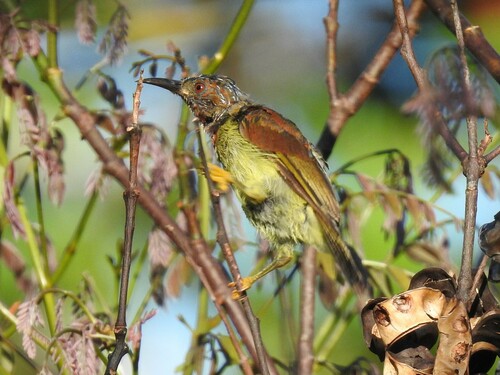 red-throated sunbird
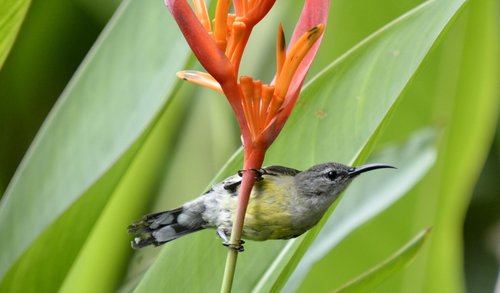 copper-throated sunbird
Em resumo
A maneira mais confiável de separar o red-throated sunbird do copper-throated sunbird é focando na cor da garganta dos machos adultos: o red-throated apresenta uma garganta vermelha, enquanto o copper-throated tem uma garganta metálica cobreada com bordas azul-púrpura. Para fêmeas e imaturos, procure pelo anel ocular branco incompleto (presente na fêmea do copper-throated, mas não no red-throated) e pela cor das partes inferiores. Os juvenis do copper-throated sunbird têm uma garganta amarela, o que nunca ocorre no red-throated. Ambas as espécies compartilham uma forma de sunbird geralmente semelhante e comportamento alimentar, mas a atenção cuidadosa aos detalhes da garganta e dos olhos é fundamental, especialmente fora do plumagem dos machos adultos.
Dicas de identificação
- Cor da garganta do macho adulto: Machos do red-throated sunbird têm uma garganta vermelha; machos do copper-throated mostram uma garganta metálica cobreada com bordas azul-púrpura. Esta é a marca de campo mais direta para machos adultos.
- Partes superiores do macho: Machos do copper-throated têm verde brilhante na cabeça, ombros, parte superior das costas e rabo, contrastando com plumagem predominantemente preta. Machos do red-throated não apresentam essa combinação.
- Anel ocular da fêmea: Fêmeas do copper-throated sunbird têm um anel ocular branco incompleto, que está ausente nas fêmeas do red-throated. Esta é uma marca chave ao observar a cabeça em boa luz.
- Garganta e partes inferiores da fêmea: Fêmeas do copper-throated sunbird têm uma garganta branco-acinzentada e cabeça cinza, com partes inferiores amarelo-oliva e partes superiores cinza-oliva. Fêmeas do red-throated não mostram esse padrão.
- Cor da garganta do juvenil: Juvenis do copper-throated sunbird têm uma garganta amarela com escamação escura, nunca vista no red-throated. Qualquer sunbird com uma garganta amarela nesta região é provavelmente um juvenil do copper-throated.
- Cor do bico e das pernas: Ambas as espécies têm bicos pretos e curvados para baixo e pernas pretas, então essas características não ajudam na separação.
- Tufo peitoral oculto: O copper-throated sunbird tem tufos peitorais amarelos ocultos sob a asa, mas estes raramente são visíveis em campo e não são uma marca de campo prática.
- Cor dos olhos: Ambas as espécies têm olhos pretos, mas apenas as fêmeas do copper-throated mostram o anel ocular branco incompleto.
- Tamanho e estrutura: Ambas são sunbirds pequenas com proporções semelhantes; o tamanho não é uma marca de campo confiável.
- Comportamento de voo e forrageio: Ambas as espécies se comportam de maneira semelhante, alimentando-se de néctar e pequenos invertebrados, e não diferem em jizz ou estilo de voo.
- Sobreposição de habitat: Ambas podem ser encontradas em florestas de planície e regiões sobrepostas no Sudeste Asiático, então o habitat sozinho não as separa.
- Variação sazonal: Nenhuma diferença de plumagem sazonal é descrita que ajude na separação; concentre-se nas marcas relacionadas ao sexo e à idade.
- Armadilhas: Imaturos do copper-throated sunbird podem ser confundidos com o red-throated, mas a garganta amarela em juvenis e o anel ocular branco incompleto em fêmeas são diagnósticos para o copper-throated.
- Contexto: Se você vê um sunbird com uma garganta vermelha, é um red-throated; se a garganta é cobreada com uma borda azul-púrpura (macho), ou se o pássaro tem uma garganta juvenil amarela ou anel ocular branco incompleto (fêmea/imaturo), é um copper-throated.
- Quando as marcas falham: Em luz fraca ou vistas distantes, concentre-se na garganta e no anel ocular assim que possível. Se nenhum deles for visível, a identificação pode não ser possível sem melhores vistas.
Tamanho
O red-throated sunbird é ligeiramente mais pesado (massa corporal ~13.1g [wikidata]), mas ambas as espécies são sunbirds pequenas e se sobrepõem em tamanho geral. O comprimento do copper-throated sunbird é de 12.2–13 cm, com uma envergadura em torno de 57.5 mm e comprimento da cauda de cerca de 45.5 mm [wikipedia]. Em campo, a diferença de tamanho é sutil e não é um ponto de separação confiável.
Plumagem
- Machos adultos: Machos do red-throated sunbird têm uma garganta vermelha distinta, enquanto machos do copper-throated mostram uma garganta metálica cobreada com uma borda azul-púrpura que se estende até o peito. Machos do copper-throated são predominantemente pretos com verde brilhante na cabeça, ombros, parte superior das costas e rabo.
- Fêmeas adultas: Fêmeas do copper-throated sunbird têm um anel ocular branco incompleto, partes inferiores amarelo-oliva e partes superiores cinza-oliva com uma garganta branco-acinzentada e cabeça cinza. Fêmeas do red-throated sunbird não têm o anel ocular branco e têm coloração diferente das partes inferiores (detalhes não especificados, mas não correspondendo ao padrão do copper-throated).
- Juvenis: Juvenis do copper-throated sunbird se assemelham às fêmeas, mas têm uma garganta amarela com alguma escamação escura—uma marca única não encontrada no red-throated. A plumagem do juvenil do red-throated sunbird não é descrita nas notas, mas a ausência de uma garganta amarela é diagnóstica.
- Características compartilhadas: Ambas têm bicos pretos curvados para baixo e pernas pretas. O copper-throated sunbird tem tufos peitorais amarelos ocultos (não visíveis a menos que a asa seja levantada).
Comportamento
Ambas as espécies se alimentam de néctar e pequenos invertebrados, usando seus bicos curvados para baixo para sondar flores. Seu comportamento de forrageio e voo é típico de sunbirds e não é confiavelmente diferente em campo.
Habitat
O red-throated sunbird é encontrado em florestas tropicais ou subtropicais úmidas de planície em Brunei, Indonésia, Malásia, Mianmar, Filipinas, Cingapura e Tailândia [wikipedia]. O habitat do copper-throated sunbird não é especificado em detalhes aqui, mas ambos ocorrem em regiões semelhantes do Sudeste Asiático e podem se sobrepor em alcance e habitat, especialmente em florestas de planície e habitats de borda.
red-throated sunbird · copper-throated sunbird · Minhas aves difíceis