

Motmot

ノドアカコバシタイヨウチョウ 対 ノドアカタイヨウチョウ

Anthreptes rhodolaemus 対 Leptocoma calcostetha

ノドアカコバシタイヨウチョウとノドアカタイヨウチョウのクイズ
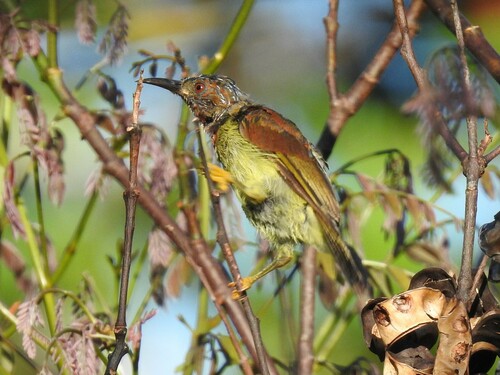
ノドアカコバシタイヨウチョウ (Anthreptes rhodolaemus) ノドアカコバシタイヨウチョウ
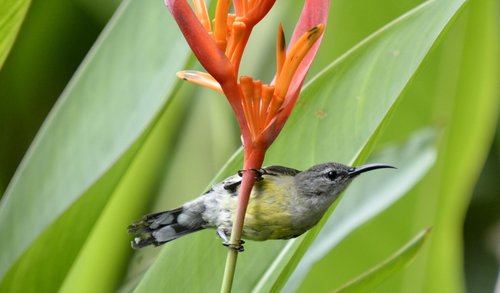
ノドアカタイヨウチョウ (Leptocoma calcostetha) ノドアカタイヨウチョウ

メディア

読み込み中…

要点

ノドアカコバシタイヨウチョウとノドアカタイヨウチョウを分ける最も信頼できる方法は、成鳥のオスの喉の色に注目することです:ノドアカコバシタイヨウチョウは赤い喉を示し、ノドアカタイヨウチョウは紫がかった青で縁取られた金属的な銅色の喉を持っています。雌や幼鳥の場合は、不完全な白いアイリング(雌のノドアカタイヨウチョウには存在しますが、ノドアカコバシタイヨウチョウにはありません)と腹部の色を探してください。幼鳥のノドアカタイヨウチョウは黄色の喉を持ち、これはノドアカコバシタイヨウチョウには決して見られません。両種は一般的に似たようなタイヨウチョウの形と採餌行動を共有していますが、特に成鳥のオスの羽毛以外では、喉と目の詳細に注意を払うことが重要です。

識別のコツ

  1. Adult male throat color: ノドアカコバシタイヨウチョウのオスは赤い喉を持ち、ノドアカタイヨウチョウのオスは紫がかった青で縁取られた金属的な銅色の喉を示します。これは成鳥のオスにとって最も明確なフィールドマークです。
  2. Male upperparts: ノドアカタイヨウチョウのオスは頭、肩、上背、尾に輝く緑色を持ち、その他は黒い羽毛と対照的です。ノドアカコバシタイヨウチョウのオスにはこの組み合わせがありません。
  3. Female eye ring: 雌のノドアカタイヨウチョウは不完全な白いアイリングを持ち、ノドアカコバシタイヨウチョウの雌にはありません。これは良い光の下で頭を観察する際の重要なマークです。
  4. Female throat and underparts: 雌のノドアカタイヨウチョウは灰色がかった白い喉と灰色の頭を持ち、オリーブ色の黄色い腹部と灰色がかったオリーブ色の上部を持っています。ノドアカコバシタイヨウチョウの雌はこのパターンを示しません。
  5. Juvenile throat color: 幼鳥のノドアカタイヨウチョウは暗いスケーリングのある黄色の喉を持ち、ノドアカコバシタイヨウチョウには見られません。この地域で黄色の喉を持つタイヨウチョウは、幼鳥のノドアカタイヨウチョウである可能性が高いです。
  6. Bill and leg color: 両種は黒い下向きのくちばしと黒い足を持っているため、これらの特徴は分離には役立ちません。
  7. Hidden pectoral tufts: ノドアカタイヨウチョウは翼の下に隠れた黄色の胸毛を持っていますが、これらはフィールドではほとんど見えず、実用的なフィールドマークではありません。
  8. Eye color: 両種は黒い目を持っていますが、ノドアカタイヨウチョウの雌だけが不完全な白いアイリングを示します。
  9. Size and structure: 両方とも小さなタイヨウチョウで、比例は似ています。サイズは信頼できるフィールドマークではありません。
  10. Flight and foraging behavior: 両種は似たように行動し、蜜や小さな無脊椎動物を食べ、飛行スタイルや行動に違いはありません。
  11. Habitat overlap: 両方とも低地の森林や東南アジアの重複地域で見られるため、単独の生息地では分離できません。
  12. Seasonal variation: 分離を助ける季節的な羽毛の違いは記載されていないため、性別や年齢に関連するマークに注目してください。
  13. Pitfalls: 幼鳥のノドアカタイヨウチョウはノドアカコバシタイヨウチョウと混同される可能性がありますが、幼鳥の黄色の喉と雌の不完全な白いアイリングはノドアカタイヨウチョウの診断的な特徴です。
  14. Context: 赤い喉を持つタイヨウチョウを見た場合、それはノドアカコバシタイヨウチョウです。喉が銅色で紫がかった青の縁取りがある場合(オス)、または鳥が黄色の幼鳥の喉や不完全な白いアイリングを持っている場合(雌/幼鳥)、それはノドアカタイヨウチョウです。
  15. When marks fail: 光が悪い場合や遠くからの視界では、できるだけ早く喉とアイリングに注目してください。どちらも見えない場合、より良い視界がないと識別が不可能な場合があります。

大きさ

ノドアカコバシタイヨウチョウはわずかに重い(体重約13.1g [wikidata])ですが、両種は小さなタイヨウチョウで、全体的なサイズが重なっています。ノドアカタイヨウチョウの長さは12.2〜13 cmで、翼幅は約57.5 mm、尾の長さは約45.5 mm [wikipedia]です。フィールドでは、サイズの違いは微妙で、信頼できる分離ポイントではありません。

羽色

行動

両種は蜜や小さな無脊椎動物を食べるために下向きのくちばしを使って花を探ります。彼らの採餌と飛行行動はタイヨウチョウに典型的であり、フィールドで信頼できる違いはありません。

生息環境

ノドアカコバシタイヨウチョウはブルネイ、インドネシア、マレーシア、ミャンマー、フィリピン、シンガポール、タイの亜熱帯または熱帯の湿った低地の森林に見られます [wikipedia]。ノドアカタイヨウチョウの生息地はここでは詳細に指定されていませんが、両方とも似たような東南アジアの地域に生息し、特に低地の森林やエッジの生息地で範囲や生息地が重なることがあります。

より良い説明を送る

比較と同じ項目を使ってください。文章はすぐに公開されます。

The most reliable way to separate Red-throated Sunbird from Copper-throated Sunbird is by focusing on adult male throat color: Red-throated shows a red throat, while Copper-throated has a metallic copper throat bordered by purplish-blue. For females and immatures, look for the incomplete white eye ring (present in female Copper-throated but not Red-throated) and the color of the underparts. Juvenile Copper-throated Sunbirds have a yellow throat, which never occurs in Red-throated. Both species share a generally similar sunbird shape and feeding behavior, but careful attention to throat and eye details is key, especially outside of adult male plumage.

  1. Adult male throat color: Red-throated Sunbird males have a red throat; Copper-throated males show a metallic copper throat bordered by purplish-blue. This is the most straightforward field mark for adult males.
  2. Male upperparts: Copper-throated males have shimmering green on the head, shoulders, upper back, and rump, contrasting with otherwise black plumage. Red-throated males lack this combination.
  3. Female eye ring: Female Copper-throated Sunbirds have an incomplete white eye ring, which is absent in Red-throated females. This is a key mark when viewing the head in good light.
  4. Female throat and underparts: Female Copper-throated Sunbirds have a grayish-white throat and gray head, with olive-yellow underparts and grayish-olive upperparts. Red-throated females do not show this pattern.
  5. Juvenile throat color: Juvenile Copper-throated Sunbirds have a yellow throat with dark scaling, never seen in Red-throated. Any sunbird with a yellow throat in this region is likely a juvenile Copper-throated.
  6. Bill and leg color: Both species have black, down-curved bills and black legs, so these features do not help in separation.
  7. Hidden pectoral tufts: Copper-throated Sunbird has yellow pectoral tufts hidden under the wing, but these are rarely visible in the field and not a practical field mark.
  8. Eye color: Both species have black eyes, but only Copper-throated females show the incomplete white eye ring.
  9. Size and structure: Both are small sunbirds with similar proportions; size is not a reliable field mark.
  10. Flight and foraging behavior: Both species behave similarly, feeding on nectar and small invertebrates, and do not differ in jizz or flight style.
  11. Habitat overlap: Both can be found in lowland forests and overlapping regions in Southeast Asia, so habitat alone does not separate them.
  12. Seasonal variation: No seasonal plumage differences are described that aid separation; focus on sex and age-related marks.
  13. Pitfalls: Immature Copper-throated Sunbirds may be confused with Red-throated, but the yellow throat in juveniles and incomplete white eye ring in females are diagnostic for Copper-throated.
  14. Context: If you see a sunbird with a red throat, it is Red-throated; if the throat is coppery with a purplish-blue border (male), or if the bird has a yellow juvenile throat or incomplete white eye ring (female/immature), it is Copper-throated.
  15. When marks fail: In poor light or distant views, focus on throat and eye ring as soon as possible. If neither is visible, identification may not be possible without better views.

Red-throated Sunbird is slightly heavier (body mass ~13.1g [wikidata]), but both species are small sunbirds and overlap in overall size. Copper-throated Sunbird's length is 12.2–13 cm, with a wingspan around 57.5 mm and tail length about 45.5 mm [wikipedia]. In the field, size difference is subtle and not a reliable separation point.

  • Adult males: Red-throated Sunbird males have a distinctive red throat, while Copper-throated males show a metallic copper throat with a purplish-blue border extending to the chest. Copper-throated males are otherwise mostly black with shimmering green on the head, shoulders, upper back, and rump.
  • Adult females: Female Copper-throated Sunbirds have an incomplete white eye ring, olive-yellow underparts, and grayish-olive upperparts with a grayish-white throat and gray head. Female Red-throated Sunbirds lack the white eye ring and have different underpart coloration (details not specified, but not matching Copper-throated's pattern).
  • Juveniles: Juvenile Copper-throated Sunbirds resemble females but have a yellow throat with some dark scaling—a unique mark not found in Red-throated. Juvenile Red-throated Sunbird plumage is not described in the notes, but the absence of a yellow throat is diagnostic.
  • Shared traits: Both have down-curved black beaks and black legs. Copper-throated Sunbird has hidden yellow pectoral tufts (not visible unless the wing is lifted).

Both species feed on nectar and small invertebrates, using their down-curved bills to probe flowers. Their foraging and flight behavior are typical for sunbirds and not reliably different in the field.

Red-throated Sunbird is found in subtropical or tropical moist lowland forests across Brunei, Indonesia, Malaysia, Myanmar, the Philippines, Singapore, and Thailand [wikipedia]. Copper-throated Sunbird's habitat is not specified in detail here, but both occur in similar Southeast Asian regions and can overlap in range and habitat, especially in lowland forest and edge habitats.

変更を破棄しますか?

保存していない編集があります。今離れると失われます。

ノドアカコバシタイヨウチョウ · ノドアカタイヨウチョウ · 苦手な鳥