

petinha-de-garganta-ruiva vs petinha-fulva
Anthus cervinus versus Anthus rubescens
Jogue um quiz com petinha-de-garganta-ruiva e petinha-fulva
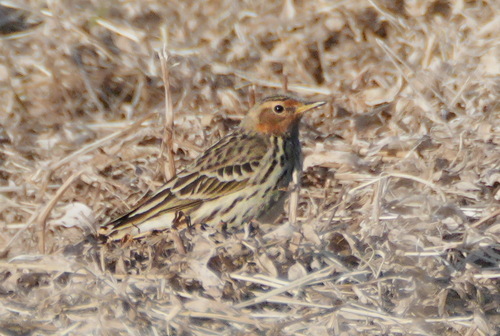 petinha-de-garganta-ruiva
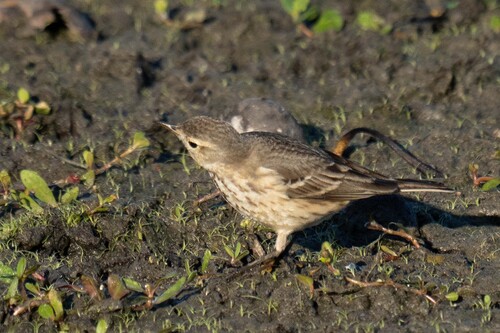 petinha-fulva
Em resumo
A marca de campo mais confiável para separar a petinha-de-garganta-ruiva da petinha-fulva é a estriação muito mais pesada e extensa na petinha-de-garganta-ruiva, especialmente na cabeça, costas, flancos, rabo e peito, que está presente mesmo em plumagens não reprodutivas e imaturas. Na plumagem de reprodução, os adultos da petinha-de-garganta-ruiva apresentam um rosto e garganta de um vermelho tijolo distinto, que nunca é igualado pela petinha-fulva. A petinha-fulva é geralmente mais pálida e menos estriada na parte inferior, com um peito e flancos de tom fulvo e uma barriga esbranquiçada. Ambas as espécies são semelhantes em tamanho e estrutura, e ambas podem parecer bastante simples e indistintas fora da temporada de reprodução, mas a densidade e a extensão da estriação permanecem um separador chave. Em voo, ouça o chamado: a petinha-de-garganta-ruiva emite um 'psii' agudo, enquanto a petinha-fulva emite um 'sip' estridente.
Dicas de identificação
- Plumagem Fortemente Estriada (Todas as Idades): A petinha-de-garganta-ruiva é muito mais estriada acima e abaixo do que a petinha-fulva. Procure por estrias negras densas na cabeça, costas, flancos, rabo e peito, bem como listras de manto brancas proeminentes. Esta é a marca mais confiável em todas as plumagens, exceto na petinha-fulva adulta em plumagem de reprodução, que nunca se aproxima desse nível de estriação.
- Adulto Reprodutor com Garganta Vermelha: Apenas os adultos da petinha-de-garganta-ruiva em plumagem de reprodução mostram um rosto e garganta de vermelho tijolo. A petinha-fulva nunca mostra qualquer vermelho ou ruivo no rosto ou garganta.
- Partes Inferiores da Petinha-Fulva: A petinha-fulva tem um peito e flancos de tom fulvo com estriação difusa e uma barriga esbranquiçada. A petinha-de-garganta-ruiva é mais estriada e não possui a lavagem fulva clara.
- Partes Superiores Juvenis/Imaturas: As petinhas-de-garganta-ruiva juvenis e imaturas têm estriação mais extensa e escura nas partes superiores, incluindo a cabeça e manto, em comparação com a petinha-fulva, que é mais pálida e levemente estriada.
- Chamado em Voo: Ouça o chamado quando os pássaros forem assustados ou em voo. A petinha-de-garganta-ruiva emite um 'psii' agudo, enquanto a petinha-fulva emite um 'sip' estridente.
- Padrão do Rosto: Fora da plumagem de reprodução, a petinha-de-garganta-ruiva pode ainda mostrar um padrão de rosto mais contrastante devido à estriação, enquanto a petinha-fulva tem um rosto mais simples e menos marcado.
- Cor da Barriga: A petinha-fulva sempre tem uma barriga esbranquiçada, contrastando com o peito e flancos fulvos. A petinha-de-garganta-ruiva é mais uniformemente estriada na parte inferior.
- Cor das Pernas e Bico: Ambas as espécies têm pernas e bico escuros, mas a petinha-fulva pode parecer ligeiramente mais escura no geral. Este não é um separador forte.
- Contexto de Habitat: Ambas as espécies podem ocorrer em habitats abertos semelhantes, semelhantes à tundra, especialmente como vagantes na Europa Ocidental. Não confie apenas no habitat para separação.
- Comportamento: Ambas as espécies andam ou correm no chão e têm um voo forte e direto. O comportamento não é um separador confiável.
- Armadilhas Sazonais: Fora da temporada de reprodução, a petinha-de-garganta-ruiva perde sua garganta vermelha e pode parecer muito mais simples, mas a estriação mais pesada permanece. A petinha-fulva não muda muito sazonalmente.
- Estrutura do Bando: As imaturas da petinha-fulva podem formar pequenos bandos após a saída do ninho, mas isso não é uma marca de campo confiável para separação.
- Vagância: Ambas as espécies são vagantes raros na Europa Ocidental, então não assuma a identidade com base apenas na localização.
- Impressão Geral: Se o pássaro parecer fortemente e extensivamente estriado, especialmente nas partes superiores e flancos, prefira a petinha-de-garganta-ruiva. Se parecer pálido, com um peito e flancos fulvos e uma barriga esbranquiçada, prefira a petinha-fulva.
- Quando em Dúvida: Se as vistas forem breves ou distantes, priorize a densidade e a extensão da estriação e qualquer indício de vermelho no rosto ou garganta para a petinha-de-garganta-ruiva. Use o chamado se disponível.
Tamanho
Ambas as espécies são pequenas petinhas e são muito semelhantes em tamanho e proporções, sem diferença confiável em comprimento, massa ou estrutura geral com base nas fontes disponíveis. A cor do bico e das pernas não é fortemente contrastante entre as duas, embora a petinha-fulva possa mostrar pernas e bico ligeiramente mais escuros. Características estruturais, como comprimento da cauda e projeção primária, não são destacadas como diagnósticas nas notas disponíveis.
Plumagem
-
Plumagem Juvenil e Imatura: A petinha-de-garganta-ruiva de todas as idades (incluindo juvenis e imaturas) é notavelmente mais estriada acima e abaixo do que a petinha-fulva. Procure por estrias negras densas na cabeça, costas, flancos, rabo e peito, com listras de manto brancas proeminentes. As juvenis e imaturas da petinha-fulva são mais pálidas, com partes superiores cinza-marrom levemente estriadas e estriação difusa, menos extensa abaixo, principalmente no peito e flancos de tom fulvo. A barriga é sempre esbranquiçada na petinha-fulva.
-
Plumagem de Reprodução Adulto: Os adultos da petinha-de-garganta-ruiva em plumagem de reprodução são inconfundíveis, com um rosto e garganta de vermelho tijolo. A petinha-fulva nunca mostra qualquer vermelho ou ruivo no rosto ou garganta, permanecendo cinza-marrom acima e fulva abaixo.
-
Plumagem Não Reprodutiva/Básica: A petinha-de-garganta-ruiva perde a maior parte do vermelho no rosto e garganta fora da temporada de reprodução, mas ainda retém uma estriação muito mais pesada acima e abaixo do que a petinha-fulva. A petinha-fulva permanece pálida e difusamente estriada, com um peito e flancos fulvos e uma barriga esbranquiçada. Ambas podem parecer simples e indistintas à distância, mas a densidade da estriação é o melhor separador.
Comportamento
Ambas as espécies são terrestres, frequentemente vistas correndo ou andando em solo aberto, e ambas são insetívoras. Podem ser vistas sozinhas ou em pequenos bandos fora da temporada de reprodução. A petinha-fulva é notada por sua tendência a correr pelo chão e formar pequenos bandos de imaturas após a saída do ninho. Ambas as espécies têm um voo forte e direto, mas isso não é um separador confiável. O comportamento de reprodução não é diagnóstico para identificação em campo.
Habitat
Ambas as espécies se reproduzem em tundra ou áreas abertas e esparsamente vegetadas no extremo norte. A petinha-de-garganta-ruiva se reproduz no extremo norte da Europa e do Paleártico, com um ponto de apoio no Alasca setentrional, e inverna na África e no Sudeste Asiático. A petinha-fulva (Petinha Americana) se reproduz na tundra da América do Norte e inverna mais ao sul, incluindo as costas do Pacífico e Atlântico da América do Norte e América Central. Ambas podem ser encontradas em áreas abertas e levemente vegetadas fora da temporada de reprodução. Na Europa Ocidental, ambas são vagantes raros, então o contexto nem sempre é útil para separação.
Voz
A petinha-de-garganta-ruiva emite um chamado agudo e característico 'psii' em voo. A petinha-fulva emite um chamado estridente 'sip'. Esses chamados são distintos e podem ser um separador útil se ouvidos bem, especialmente em voo ou quando assustados.
petinha-de-garganta-ruiva · petinha-fulva · Minhas aves difíceis