

Motmot

ムネアカタヒバリ 対 アメリカタヒバリ

Anthus cervinus 対 Anthus rubescens

ムネアカタヒバリとアメリカタヒバリのクイズ
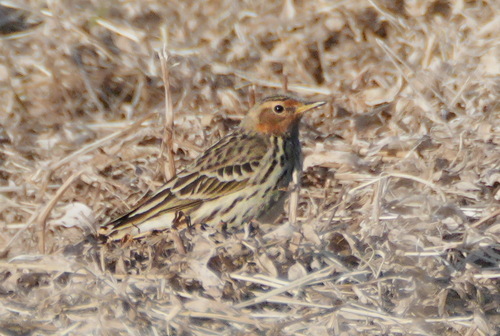
ムネアカタヒバリ (Anthus cervinus) ムネアカタヒバリ
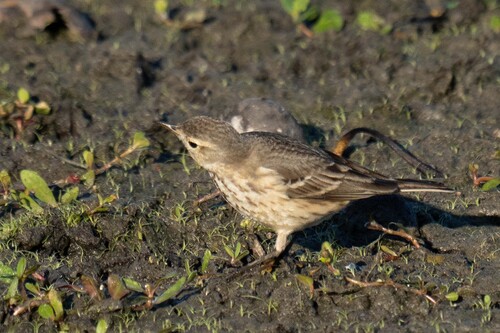
アメリカタヒバリ (Anthus rubescens) アメリカタヒバリ

メディア

読み込み中…

要点

ムネアカタヒバリとアメリカタヒバリを区別する最も信頼性の高いフィールドマークは、ムネアカタヒバリの方がはるかに重く、広範囲にわたる縞模様があることです。特に頭部、背中、側面、尾、胸に見られ、非繁殖期や未成熟の羽毛でも存在します。繁殖羽毛では、ムネアカタヒバリの成鳥は特徴的なレンガ色の顔と喉を示し、アメリカタヒバリでは決して見られません。アメリカタヒバリは一般的に下側が淡く、縞模様が少なく、淡い色合いの胸と側面、白っぽい腹部を持っています。両種はサイズと構造が似ており、繁殖期以外ではかなり地味で特徴がないように見えることがありますが、縞模様の密度と広がりが重要な区別点となります。飛行中には、呼び声に耳を傾けてください:ムネアカタヒバリは鋭い「psii」を発し、アメリカタヒバリはきしむような「sip」を発します。

識別のコツ

  1. Heavily Streaked Plumage (All Ages): ムネアカタヒバリはアメリカタヒバリよりも上面と下面がはるかに重く縞模様が入っています。頭部、背中、側面、尾、胸に濃い黒の縞模様を探し、目立つ白っぽい背羽の縞も探してください。これは、成鳥の繁殖期のアメリカタヒバリを除くすべての羽毛で最も信頼性の高いマークです。
  2. Breeding Adult Red Throat: 繁殖羽毛のムネアカタヒバリの成鳥だけがレンガ色の顔と喉を示します。アメリカタヒバリは顔や喉に赤や赤褐色を示すことはありません。
  3. Buff-bellied Underparts: アメリカタヒバリは淡い色合いの胸と側面を持ち、ぼんやりとした縞模様と白っぽい腹部があります。ムネアカタヒバリはより縞模様が多く、明確な淡い色合いはありません。
  4. Juvenile/Immature Upperparts: 幼鳥と未成熟のムネアカタヒバリは、アメリカタヒバリに比べて頭部や背羽により広範囲で暗い縞模様があります。
  5. Flight Call: 鳥が飛び立つときや飛行中に呼び声に耳を傾けてください。ムネアカタヒバリは鋭い「psii」を発し、アメリカタヒバリはきしむような「sip」を発します。
  6. Face Pattern: 繁殖羽毛以外では、ムネアカタヒバリは縞模様のためにより対照的な顔のパターンを示すことがありますが、アメリカタヒバリはより地味で目立たない顔を持っています。
  7. Belly Color: アメリカタヒバリは常に白っぽい腹部を持ち、淡い胸と側面と対照的です。ムネアカタヒバリは下面がより均一に縞模様があります。
  8. Leg and Bill Color: 両種は暗い脚とくちばしを持っていますが、アメリカタヒバリは全体的にやや暗く見えることがあります。これは強い区別点ではありません。
  9. Habitat Context: 両種は似たような開けたツンドラのような生息地に生息することがあり、特に西ヨーロッパでは迷鳥として見られます。生息地だけに頼って区別しないでください。
  10. Behavior: 両種は地面を歩いたり走ったりし、強い直線的な飛行を持っています。行動は信頼できる区別点ではありません。
  11. Seasonal Pitfalls: 繁殖期以外では、ムネアカタヒバリは赤い喉を失い、かなり地味に見えることがありますが、重い縞模様は残ります。アメリカタヒバリは季節的にあまり変化しません。
  12. Flock Structure: アメリカタヒバリの未成熟個体は、巣立ち後に小さな群れを形成することがありますが、これは区別のための信頼できるフィールドマークではありません。
  13. Vagrancy: 両種は西ヨーロッパでは珍しい迷鳥であるため、場所だけで同定しないでください。
  14. Overall Impression: 鳥が上面や側面に重く広範囲にわたる縞模様を持っている場合は、ムネアカタヒバリを優先してください。淡く、淡い胸と側面、白っぽい腹部を持っている場合は、アメリカタヒバリを優先してください。
  15. When in Doubt: 見え方が短いまたは遠い場合は、縞模様の密度と広がり、顔や喉の赤のヒントを優先してください。呼び声があれば使用してください。

大きさ

両種は小型のタヒバリで、サイズと比率が非常に似ており、利用可能な情報源に基づいて長さ、質量、全体的な構造に信頼できる違いはありません。くちばしと脚の色は両者の間で強く対照的ではありませんが、アメリカタヒバリはやや暗い脚とくちばしを示すことがあります。尾の長さや一次羽の突出などの構造的特徴は、利用可能なノートでは診断的に強調されていません。

羽色

行動

両種は地面に生息し、開けた地面を走ったり歩いたりしているのがよく見られ、両者とも昆虫食です。繁殖期以外では単独または小さな群れで見られることがあります。アメリカタヒバリは地面を走り回る傾向があり、巣立ち後に未成熟の小さな群れを形成することで知られています。両種は強い直線的な飛行を持っていますが、これは信頼できる区別点ではありません。繁殖行動はフィールド識別のための診断的ではありません。

生息環境

両種は北極圏のツンドラや開けた、まばらに植生のある地域で繁殖します。ムネアカタヒバリはヨーロッパ北部と古生代の北部で繁殖し、アラスカ北部に生息し、アフリカと東南アジアで越冬します。アメリカタヒバリは北アメリカのツンドラで繁殖し、さらに南の太平洋岸や大西洋岸、中央アメリカで越冬します。両者は繁殖期以外に開けた、まばらに植生のある地域で見られます。西ヨーロッパでは両者とも珍しい迷鳥であるため、文脈は常に区別に役立つわけではありません。

声

ムネアカタヒバリは飛行中に鋭い特徴的な「psii」の呼び声を発します。アメリカタヒバリはきしむような「sip」の呼び声を発します。これらの呼び声は明確で、特に飛行中や飛び立ったときにしっかりと聞こえれば、役立つ区別点となります。

より良い説明を送る

比較と同じ項目を使ってください。文章はすぐに公開されます。

The most reliable field mark to separate Red-throated Pipit from Buff-bellied Pipit is the much heavier and more extensive streaking on the Red-throated Pipit, especially on the cap, back, flanks, rump, and chest, which is present even in non-breeding and immature plumages. In breeding plumage, Red-throated Pipit adults show a distinctive brick-red face and throat, never matched by Buff-bellied Pipit. Buff-bellied Pipit is generally paler and less streaked below, with a buff-toned breast and flanks and a whitish belly. Both species are similar in size and structure, and both can appear rather plain and undistinguished outside the breeding season, but the density and extent of streaking remain a key separator. In flight, listen for the call: Red-throated Pipit gives a sharp 'psii', while Buff-bellied Pipit gives a squeaky 'sip'.

  1. Heavily Streaked Plumage (All Ages): Red-throated Pipit is much more heavily streaked above and below than Buff-bellied Pipit. Look for dense black streaks on the cap, back, flanks, rump, and chest, as well as prominent whitish mantle stripes. This is the single most reliable mark in all plumages except adult breeding Buff-bellied Pipit, which never approaches this level of streaking.
  2. Breeding Adult Red Throat: Only Red-throated Pipit adults in breeding plumage show a brick-red face and throat. Buff-bellied Pipit never shows any red or rufous on the face or throat.
  3. Buff-bellied Underparts: Buff-bellied Pipit has a buff-toned breast and flanks with diffuse streaking and a whitish belly. Red-throated Pipit is more streaked and lacks the clear buff wash.
  4. Juvenile/Immature Upperparts: Juvenile and immature Red-throated Pipits have more extensive and darker streaking on the upperparts, including the cap and mantle, compared to the paler, lightly streaked Buff-bellied Pipit.
  5. Flight Call: Listen for the call when birds are flushed or in flight. Red-throated Pipit gives a sharp 'psii', while Buff-bellied Pipit gives a squeaky 'sip'.
  6. Face Pattern: Outside breeding plumage, Red-throated Pipit may still show a more contrasting face pattern due to streaking, while Buff-bellied Pipit has a plainer, less marked face.
  7. Belly Color: Buff-bellied Pipit always has a whitish belly, contrasting with the buff breast and flanks. Red-throated Pipit is more uniformly streaked below.
  8. Leg and Bill Color: Both species have dark legs and bill, but Buff-bellied Pipit may appear slightly darker overall. This is not a strong separator.
  9. Habitat Context: Both species can occur in similar open, tundra-like habitats, especially as vagrants in Western Europe. Do not rely on habitat alone for separation.
  10. Behavior: Both species walk or run on the ground and have strong, direct flight. Behavior is not a reliable separator.
  11. Seasonal Pitfalls: Outside the breeding season, Red-throated Pipit loses its red throat and can appear much plainer, but the heavier streaking remains. Buff-bellied Pipit does not change much seasonally.
  12. Flock Structure: Buff-bellied Pipit immatures may form small flocks after fledging, but this is not a reliable field mark for separation.
  13. Vagrancy: Both species are rare vagrants in Western Europe, so do not assume identity based on location alone.
  14. Overall Impression: If the bird looks heavily and extensively streaked, especially on the upperparts and flanks, favor Red-throated Pipit. If it looks pale, with a buff breast and flanks and a whitish belly, favor Buff-bellied Pipit.
  15. When in Doubt: If views are brief or distant, prioritize the density and extent of streaking and any hint of red on the face or throat for Red-throated Pipit. Use call if available.

Both species are small pipits and are very similar in size and proportions, with no reliable difference in length, mass, or overall structure based on available sources. Bill and leg color are not strongly contrasting between the two, though Buff-bellied Pipit may show slightly darker legs and bill. Structural features such as tail length and primary projection are not highlighted as diagnostic in the available notes.

  • Juvenile and Immature Plumage: Red-throated Pipit of all ages (including juveniles and immatures) is notably more heavily streaked above and below than Buff-bellied Pipit. Look for dense black streaks on the cap, back, flanks, rump, and chest, with prominent whitish mantle stripes. Buff-bellied Pipit juveniles and immatures are paler, with lightly streaked grey-brown upperparts and diffuse, less extensive streaking below, mainly on the buff-toned breast and flanks. The belly is always whitish in Buff-bellied Pipit.

  • Adult Breeding Plumage: Red-throated Pipit adults in breeding plumage are unmistakable, with a brick-red face and throat. Buff-bellied Pipit never shows any red or rufous on the face or throat, remaining grey-brown above and buff below.

  • Non-breeding/Basic Plumage: Red-throated Pipit loses most of the red on the face and throat outside the breeding season, but still retains much heavier streaking above and below than Buff-bellied Pipit. Buff-bellied Pipit remains pale and diffusely streaked, with a buff breast and flanks and a whitish belly. Both can appear plain and undistinguished at a distance, but the density of streaking is the best separator.

Both species are ground-dwelling, often seen running or walking on open ground, and both are insectivorous. They can be seen singly or in small flocks outside the breeding season. Buff-bellied Pipit is noted for its tendency to run around on the ground and form small flocks of immatures after fledging. Both species have strong, direct flight, but this is not a reliable separator. Breeding behavior is not diagnostic for field identification.

Both species breed in tundra or open, sparsely vegetated areas in the far north. Red-throated Pipit breeds across the far north of Europe and the Palearctic, with a foothold in northern Alaska, and winters in Africa and Southeast Asia. Buff-bellied Pipit (American Pipit) breeds in North American tundra and winters further south, including the Pacific and Atlantic coasts of North America and Central America. Both can be found in open, lightly vegetated areas outside the breeding season. In Western Europe, both are rare vagrants, so context is not always helpful for separation.

Red-throated Pipit gives a sharp, characteristic 'psii' call in flight. Buff-bellied Pipit gives a squeaky 'sip' call. These calls are distinct and can be a useful separator if heard well, especially in flight or when flushed.

変更を破棄しますか?

保存していない編集があります。今離れると失われます。

ムネアカタヒバリ · アメリカタヒバリ · 苦手な鳥