

plumbeous sierra finch vs ash-breasted sierra finch
Geospizopsis unicolor versus Geospizopsis plebejus
Jogue um quiz com plumbeous sierra finch e ash-breasted sierra finch
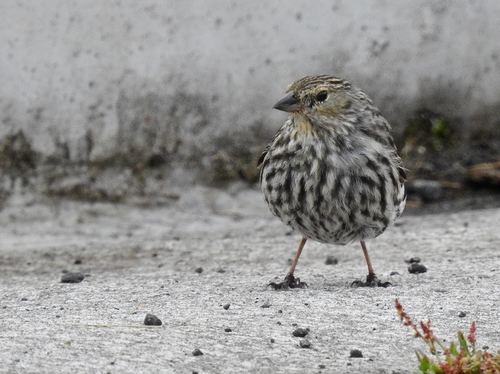 plumbeous sierra finch
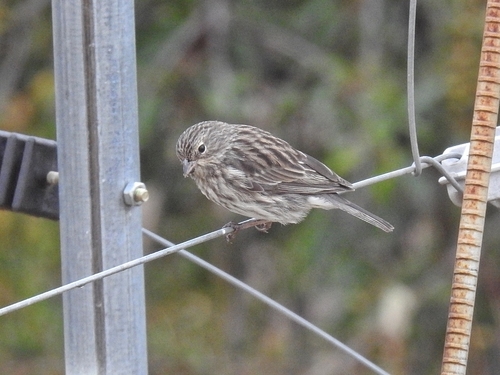 ash-breasted sierra finch
Em resumo
A maneira mais confiável de separar o plumbeous sierra finch do ash-breasted sierra finch é pela coloração geral: o plumbeous é um cinza chumbo uniforme, enquanto o ash-breasted apresenta um peito cinza mais claro e frequentemente asas e cauda mais marrons ou escuras, especialmente em algumas subespécies. Ambas as espécies se sobrepõem em grande parte de sua faixa andina e habitat, mas o ash-breasted prefere arbustos mais secos além de pastagens. A estrutura e o tamanho são semelhantes, mas diferenças sutis na cor das asas e da cauda, especialmente em voo, podem ajudar. A variação imatura e regional no ash-breasted pode causar confusão, então concentre-se na uniformidade do cinza e na falta de contraste no plumbeous em comparação com o visual mais padronizado e frequentemente bicolor do ash-breasted.
Dicas de identificação
- Uniformidade do cinza (todas as idades): O plumbeous sierra finch é quase monocromático, cinza chumbo, com pouco ou nenhum contraste entre cabeça, peito, costas, asas e cauda. Se o pássaro parecer uniformemente cinza em todos os lugares, é provável que seja plumbeous.
- Contraste na plumagem (todas as idades): O ash-breasted sierra finch geralmente apresenta um peito e ventre cinza mais claro, com asas e cauda distintamente mais escuras. Procure por esse efeito bicolor, especialmente em pássaros empoleirados.
- Cor das asas e da cauda (adultos, todas as estações): No ash-breasted, as asas e a cauda são frequentemente escuras ou marrons, destacando-se contra o corpo mais claro. O plumbeous tem asas e cauda que se misturam suavemente com o restante da plumagem.
- Cor da flanco e parte superior (subespécies regionais): Algumas subespécies de ash-breasted (notavelmente G. p. naroskyi e G. p. ocularis) apresentam flancos mais escuros e uma parte superior mais acinzentada, menos marronada, mas ainda mantêm mais contraste do que o plumbeous. Tenha cuidado em áreas onde essas formas ocorrem.
- Estrias (principalmente ash-breasted, nominada): O ash-breasted nominada (Andes do norte) pode mostrar estrias fracas nas partes superiores, ao contrário do plumbeous liso.
- Formato e tamanho do bico: Ambas as espécies têm bicos curtos e semelhantes aos dos tentilhões; a estrutura do bico não é um separador confiável em campo.
- Tamanho: Ambas são pequenas, robustas e têm tamanhos semelhantes. Não confie no tamanho para separação.
- Contexto do habitat: Em pastagens ou campos de alta altitude, o plumbeous pode ser mais provável; em encostas ou vales secos e arbustivos, o ash-breasted é favorecido. No entanto, ambos podem ocorrer juntos, então use o habitat apenas como uma pista de apoio.
- Visões empoleiradas vs. em voo: Em voo, procure o contraste entre o corpo e as asas/cauda no ash-breasted; o plumbeous deve permanecer uniformemente cinza. Nenhum painel ou borda de asa distintiva é relatada para qualquer uma das espécies.
- Sexo e estação: Nenhum dimorfismo sexual forte ou mudança sazonal é notado nestas fontes; ambos os sexos e todas as estações devem seguir os padrões básicos acima.
- Confusão juvenil/imatura: Nenhum sinal juvenil específico é dado, mas jovens ash-breasted podem ser mais marrons ou mais estriados acima, enquanto jovens plumbeous devem ainda parecer mais uniformes.
- Armadilhas: Cuidado com a variação regional no ash-breasted, especialmente nos Andes do sul, onde os pássaros podem ser mais acinzentados e menos marrons. Sempre verifique o contraste, não apenas a cinza geral.
- Composição do bando: Ambas as espécies podem se misturar em bandos, então verifique cada pássaro individualmente em vez de assumir que todos são iguais.
- Voz: Nenhuma diferença vocal distintiva é fornecida nessas notas; não confie em chamadas ou canções para separação.
- Efeitos de iluminação: Em luz fraca, o ash-breasted pode parecer mais uniformemente cinza, então sempre procure por sutis contrastes nas asas e na cauda antes de concluir que é plumbeous.
Tamanho
Ambas as espécies são pequenos sierra-finches e muito próximos em tamanho. O ash-breasted sierra finch é relatado com 11–11,5 cm de comprimento e 13–17,4 g de peso [wikipedia]. Nenhuma medição direta é dada para o plumbeous sierra finch nessas notas, mas a experiência de campo e referências sugerem que eles têm tamanhos semelhantes, então o tamanho não é um separador confiável em campo.
Plumagem
-
Plumagem Juvenil/Imatura/Primeiro-inverno: Nenhum detalhe explícito é fornecido para padrões de asas juvenis ou imaturos para qualquer uma das espécies, então não há marcas de voo específicas para idade conhecidas a serem usadas.
-
Plumagem Adulta: O plumbeous sierra finch é strikingly uniforme cinza chumbo no geral, com pouco ou nenhum contraste entre cabeça, peito, costas, asas e cauda. O ash-breasted sierra finch, em contraste, tem um peito e ventre cinza mais claro, com asas e cauda mais escuras; algumas subespécies (notavelmente G. p. naroskyi e G. p. ocularis) são mais acinzentadas e menos marrons, mas ainda mostram mais contraste do que o plumbeous. O ash-breasted também frequentemente apresenta flancos mais escuros e uma cauda e asas escuras, especialmente nas subespécies do sul. As partes superiores do ash-breasted podem ser levemente estriadas ou mostrar um tom mais marron em algumas formas, ao contrário do cinza liso do plumbeous.
Comportamento
Ambas as espécies são tentilhões que forrageiam no chão em áreas abertas de alta altitude, frequentemente vistos em pequenos bandos. Não há diferença comportamental forte notada nessas fontes; ambos empoleiram-se em rochas ou arbustos baixos e se alimentam de sementes e insetos. O estilo de voo e o comportamento social não são diagnósticos.
Habitat
Ambas as espécies se sobrepõem extensivamente nos Andes da Argentina, Bolívia, Chile, Equador e Peru. O plumbeous sierra finch está mais estritamente associado a pastagens e campos de alta altitude, enquanto o ash-breasted sierra finch também utiliza arbustos secos e de alta altitude além de pastagens. Se você encontrar o pássaro em uma encosta arbustiva e árida ou em um vale seco, é mais provável que seja ash-breasted, mas ambos podem ocorrer juntos em habitats abertos mistos.
plumbeous sierra finch · ash-breasted sierra finch · Minhas aves difíceis