

Plumbeous Sierra Finch vs Ash-breasted Sierra Finch
Geospizopsis unicolor contro Geospizopsis plebejus
Fai un quiz con Plumbeous Sierra Finch e Ash-breasted Sierra Finch
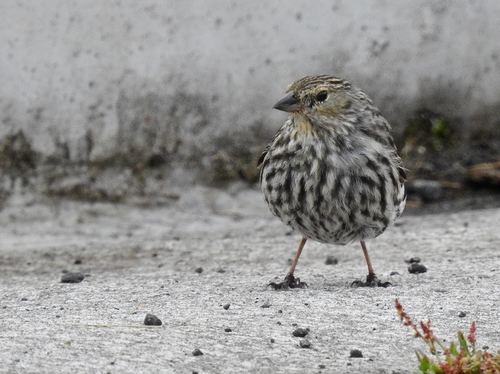 Plumbeous Sierra Finch
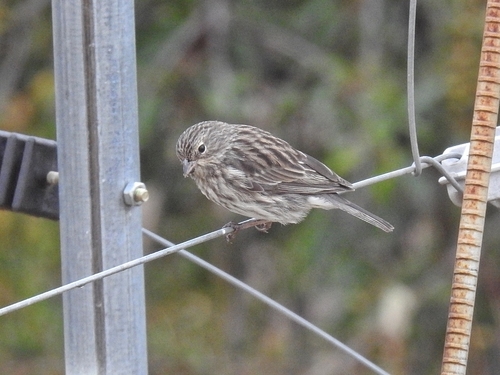 Ash-breasted Sierra Finch
In breve
Il modo più affidabile per separare il Plumbeous Sierra Finch dall'Ash-breasted Sierra Finch è attraverso la colorazione generale: il Plumbeous è di un grigio piombo uniforme, mentre l'Ash-breasted mostra un petto grigio più chiaro e spesso ali e coda più marroni o scure, specialmente in alcune sottospecie. Entrambe le specie si sovrappongono in gran parte del loro areale andino e habitat, ma l'Ash-breasted preferisce le zone di arbusti più secche oltre ai prati. La struttura e la dimensione sono simili, ma sottili differenze nel colore delle ali e della coda, specialmente in volo, possono aiutare. La variazione immatura e regionale nell'Ash-breasted può causare confusione, quindi concentrati sull'uniformità del grigio e sulla mancanza di contrasto nel Plumbeous rispetto all'aspetto più patternizzato e spesso bicolore dell'Ash-breasted.
Consigli di identificazione
- Uniformità del grigio (tutte le età): Il Plumbeous Sierra Finch è quasi monocromatico grigio piombo, con poco o nessun contrasto tra testa, petto, dorso, ali e coda. Se l'uccello appare uniformemente grigio ovunque, è probabile che sia un Plumbeous.
- Contrasto nel piumaggio (tutte le età): L'Ash-breasted Sierra Finch mostra solitamente un petto e una pancia grigia più chiara, con ali e coda decisamente più scure. Cerca questo effetto bicolore, specialmente negli uccelli posati.
- Colore delle ali e della coda (adulti, tutte le stagioni): Nell'Ash-breasted, le ali e la coda sono spesso nere o marroni scure, in contrasto con il corpo più chiaro. Il Plumbeous ha ali e coda che si fondono armoniosamente con il resto del piumaggio.
- Colore dei fianchi e della parte superiore (sottospecie regionali): Alcune sottospecie di Ash-breasted (in particolare G. p. naroskyi e G. p. ocularis) mostrano fianchi più scuri e una parte superiore più grigia, meno marrone, ma mantengono comunque più contrasto rispetto al Plumbeous. Fai attenzione nelle aree in cui si trovano queste forme.
- Striature (principalmente Ash-breasted, nominato): L'Ash-breasted nominato (Ande settentrionali) può mostrare deboli striature sulla parte superiore, a differenza del Plumbeous semplice.
- Forma e dimensione del becco: Entrambe le specie hanno becchi simili, corti e simili a quelli dei fringuelli; la struttura del becco non è un separatore affidabile sul campo.
- Dimensione: Entrambi sono fringuelli di piccole dimensioni e tozzi di lunghezza e massa simili. Non fare affidamento sulla dimensione per la separazione.
- Contesto dell'habitat: In prati o pascoli puri ad alta quota, il Plumbeous potrebbe essere più probabile; in pendii o valli più secchi e cespugliosi, si preferisce l'Ash-breasted. Tuttavia, entrambe le specie possono verificarsi insieme, quindi utilizza l'habitat solo come indizio di supporto.
- Viste da posato vs. in volo: In volo, cerca il contrasto tra corpo e ali/coda nell'Ash-breasted; il Plumbeous dovrebbe rimanere uniformemente grigio. Non sono stati segnalati pannelli o bordi distintivi delle ali per nessuna delle due specie.
- Sesso e stagione: Non sono state notate forti differenze sessuali o cambiamenti stagionali in queste fonti; entrambi i sessi e tutte le stagioni dovrebbero seguire i modelli di base sopra descritti.
- Confusione giovanile/immatura: Non sono stati forniti segni giovanili specifici, ma i giovani Ash-breasted possono essere più marroni o più striati sopra, mentre i giovani Plumbeous dovrebbero apparire ancora più uniformi.
- Trappole: Fai attenzione alla variazione regionale nell'Ash-breasted, specialmente nelle Ande meridionali dove gli uccelli possono essere più grigi e meno marroni. Controlla sempre il contrasto, non solo la grigiore generale.
- Composizione del gruppo: Entrambe le specie possono mescolarsi in gruppi, quindi controlla ogni uccello individualmente piuttosto che assumere che siano tutti uguali.
- Voce: Non sono state fornite differenze vocali distintive in queste note; non fare affidamento su richiami o canti per la separazione.
- Effetti di illuminazione: In scarsa luce, l'Ash-breasted può apparire più uniformemente grigio, quindi cerca sempre un sottile contrasto nelle ali e nella coda prima di concludere che sia un Plumbeous.
Taglia
Entrambe le specie sono piccoli sierra-finches e molto simili in dimensione. L'Ash-breasted Sierra Finch è riportato con una lunghezza di 11–11.5 cm e un peso di 13–17.4 g [wikipedia]. Non sono state fornite misurazioni dirette per il Plumbeous Sierra Finch in queste note, ma l'esperienza sul campo e i riferimenti suggeriscono che siano di dimensioni simili, quindi la dimensione non è un separatore affidabile sul campo.
Piumaggio
-
Piumaggio giovanile/immaturo/primo inverno: Non sono forniti dettagli espliciti per i modelli di ali giovanili o immaturi per nessuna delle due specie, quindi non ci sono segni di volo specifici per età da utilizzare.
-
Piumaggio adulto: Il Plumbeous Sierra Finch è straordinariamente uniforme di un grigio piombo generale, con poco o nessun contrasto tra testa, petto, dorso, ali e coda. L'Ash-breasted Sierra Finch, al contrario, ha un petto e una pancia grigia più chiara, con ali e coda più scure; alcune sottospecie (in particolare G. p. naroskyi e G. p. ocularis) sono più grigi e meno marroni, ma mostrano comunque più contrasto rispetto al Plumbeous. L'Ash-breasted mostra anche spesso fianchi più scuri e una coda e ali nere, specialmente nelle sottospecie meridionali. Le parti superiori dell'Ash-breasted possono essere leggermente striate o mostrare una tonalità più marrone in alcune forme, a differenza del grigio semplice del Plumbeous.
Comportamento
Entrambe le specie sono fringuelli che si nutrono a terra in aree aperte ad alta quota, spesso visti in piccoli gruppi. Non è stata notata una forte differenza comportamentale in queste fonti; entrambi si posano su rocce o arbusti bassi e si nutrono di semi e insetti. Lo stile di volo e il comportamento sociale non sono diagnostici.
Habitat
Entrambe le specie si sovrappongono ampiamente nelle Ande di Argentina, Bolivia, Cile, Ecuador e Perù. Il Plumbeous Sierra Finch è più strettamente associato a prati e pascoli ad alta quota, mentre l'Ash-breasted Sierra Finch utilizza anche zone di arbusti asciutti e ad alta quota oltre ai prati. Se trovi l'uccello in un pendio cespuglioso e arido o in una valle secca, è più probabile che sia un Ash-breasted, ma entrambe le specie possono verificarsi insieme in habitat aperti misti.
Plumbeous Sierra Finch · Ash-breasted Sierra Finch · I miei uccelli difficili